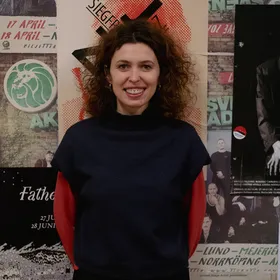
Leonardo Delmonte
From TEH member Consorzio Wunderkammer (Italy)
l.delmonte@consorziowunderkammer.orgActive hub
Network of Ecological and Social Transitions (N.E.S.T.) is a creative research hub within TEH exploring ecological thinking, relationships with place, and collective learning through walks, workshops, and site-based artistic practice.
 Full member
Kosovo
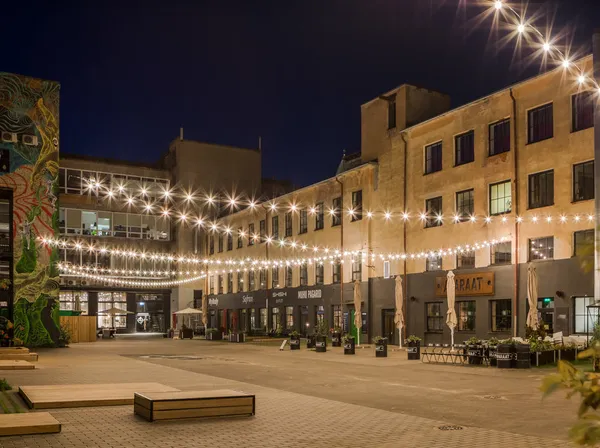 Full member
Estonia
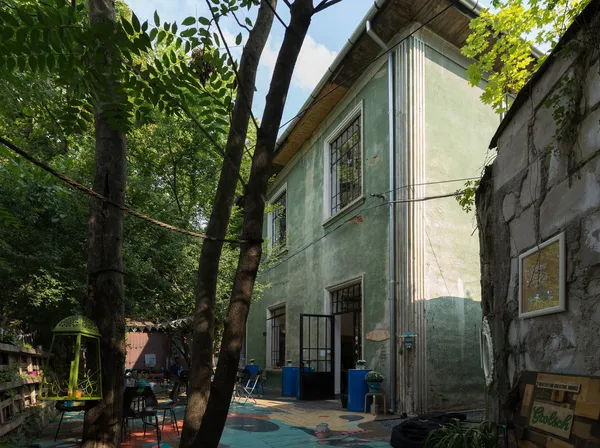 Full member
Romania
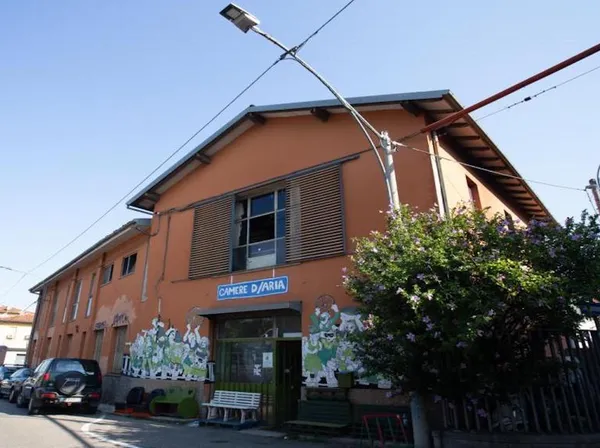 Full member
Italy
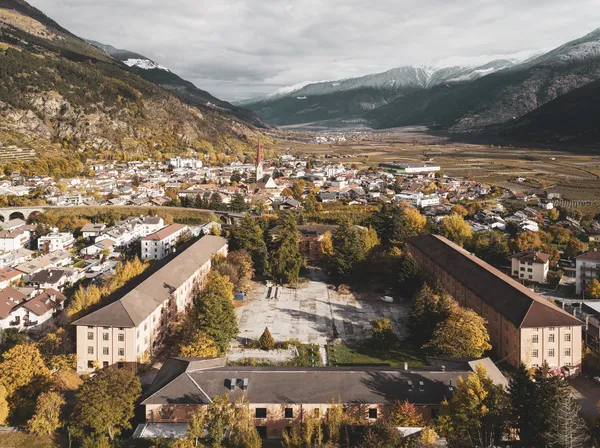 Full member
Italy
 Full member
Finland
 Full member
Italy
 Full member
Austria
 Full member
Georgia
 Full member
Greece
 Full member
France
 Full member
France
 Full member
Germany
 Full member
Sweden
 Full member
Italy
 Full member
Latvia
 Full member
Italy
 Full member
France
 Full member
Ireland
 Full member
France
 Full member
Italy
 Full member
Sweden
 Full member
Slovakia
 Full member
Spain
 Member
Croatia
 Full member
Austria
 Full member
Czechia
 Full member
Sweden
 Full member
Ireland
 Full member
Norway
 Full member
Czechia
 Full member
United Kingdom
 Member
Czechia
 Member
Netherlands
 Full member
Austria
 Full member
Italy
 Full member
Italy
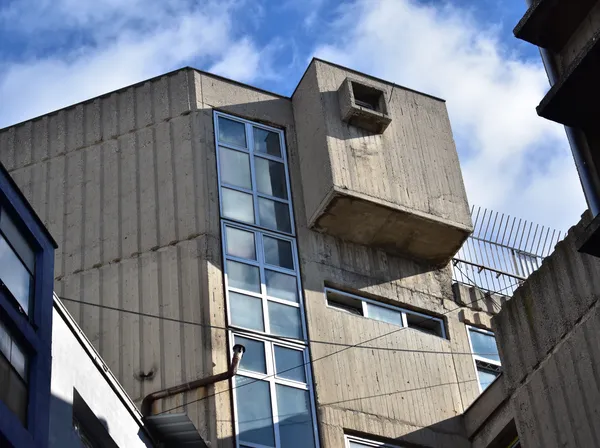
Sustainable Buildings Hub (SubHub) was one of the earliest hubs to emerge in our network. The hub originated from the community around the project Rebuilding to Last, which was exploring how TEH members can adapt their centres and surroundings to climate change. It also aspired to revisit our relationship with nature.
In 2025, the idea of renaming the Sustainable Buildings Hub to N.E.S.T. was raised by Leonardo Delmonte and Hugo Thers, both coordinators of the hub, reflecting a broader focus on ecological and social transitions.
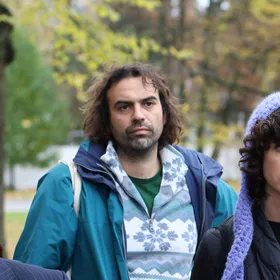
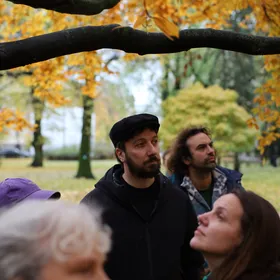
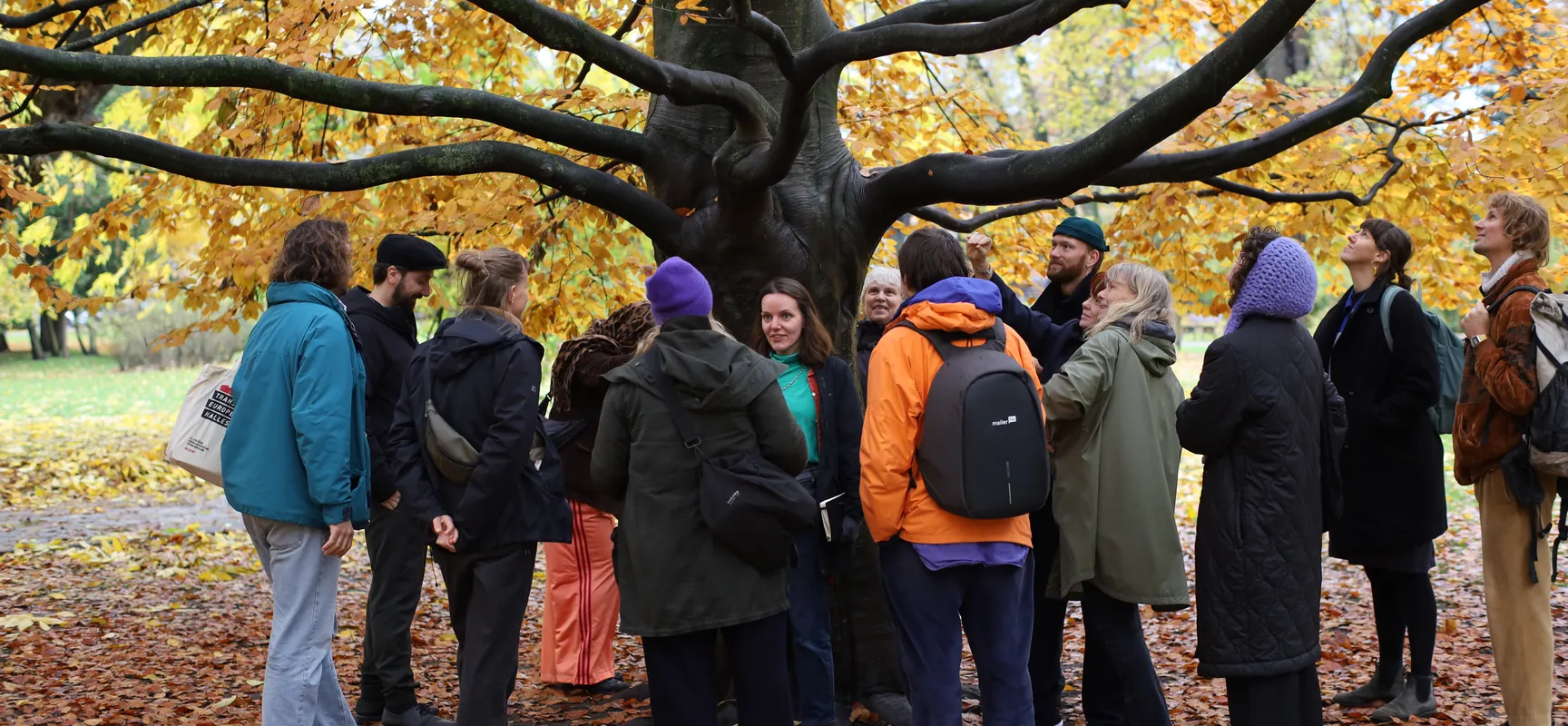
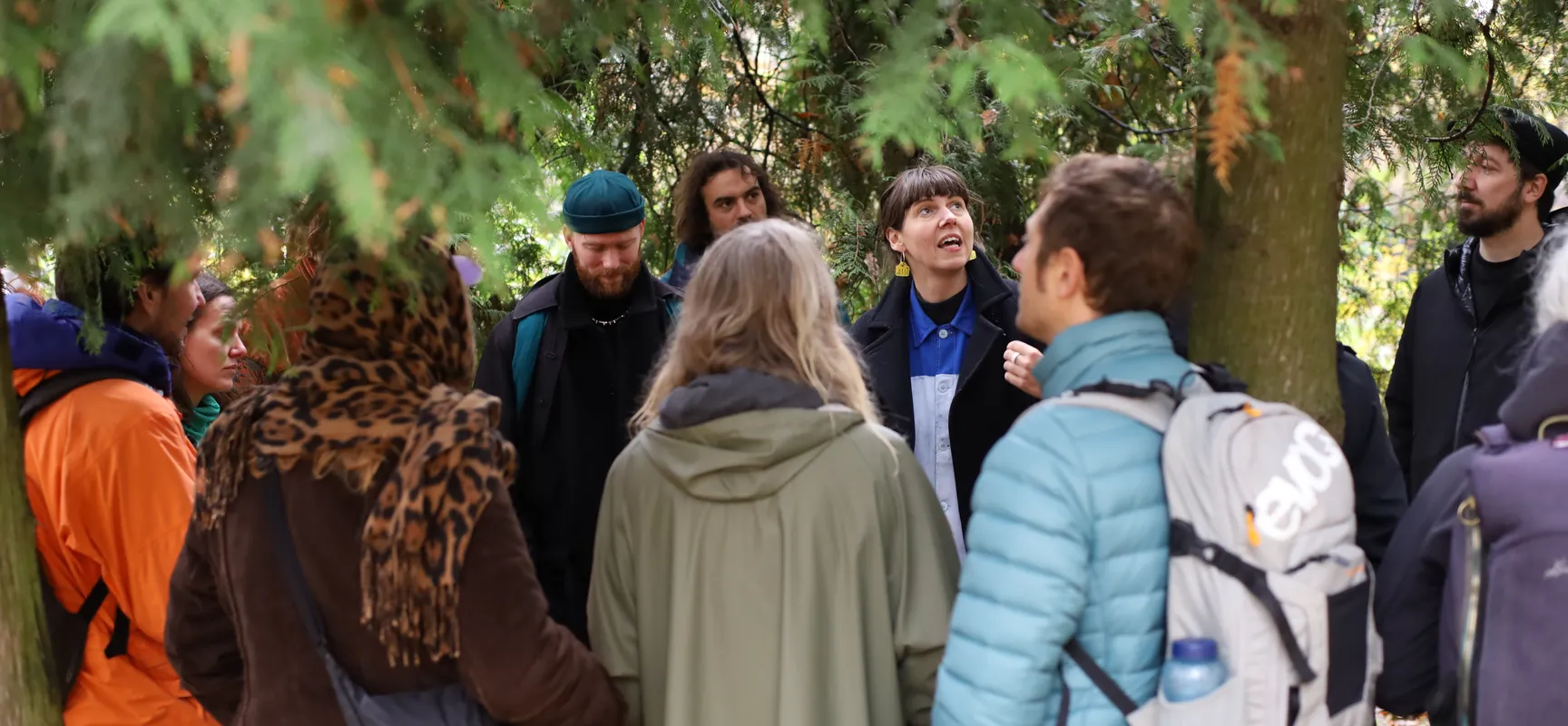
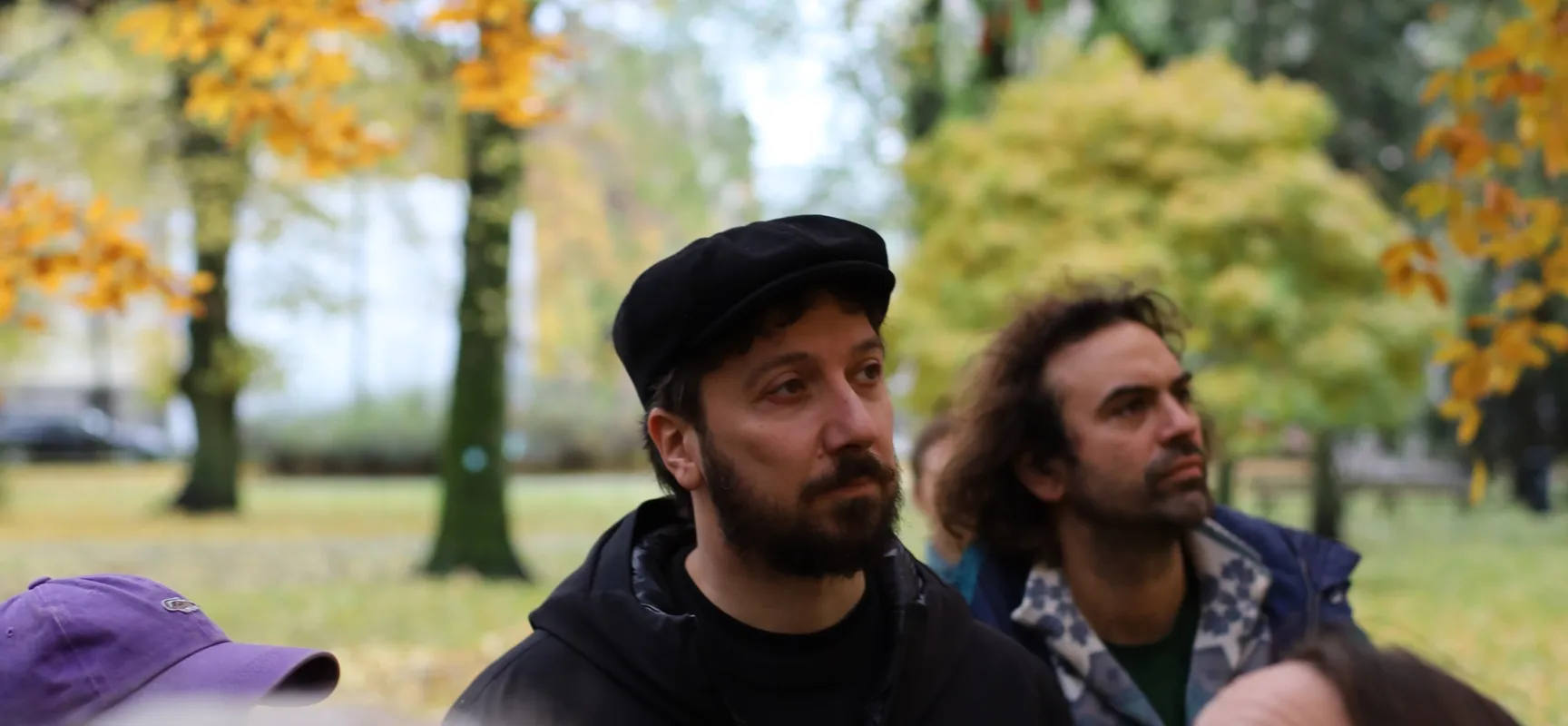
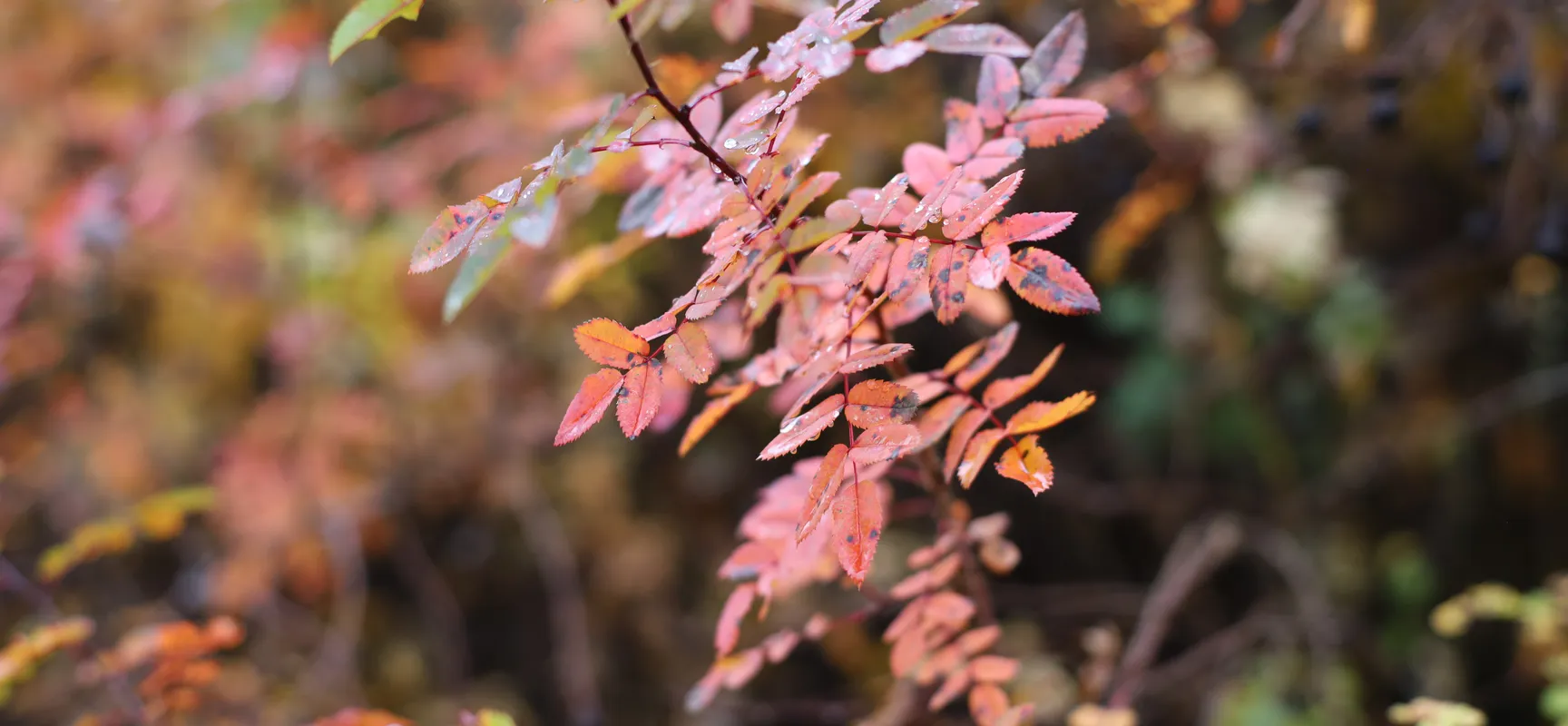
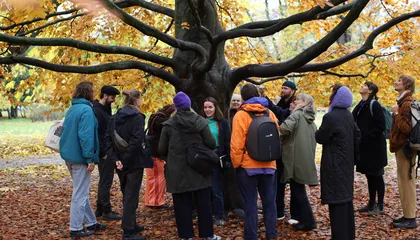
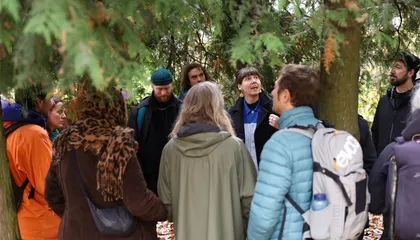
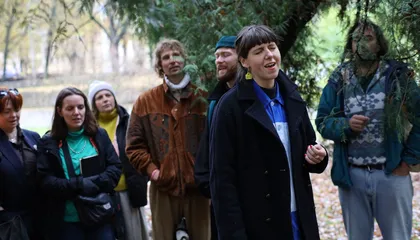
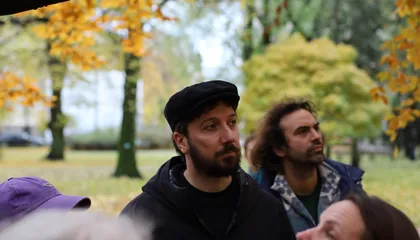
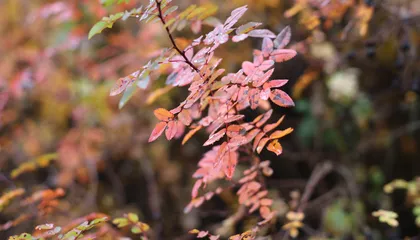
During TEH100, Hugo Thers and Leonardo Delmonte facilitated an ecological walk through Vērmanes Dārzs and Bastejkalna Parks, exploring the living world through the lens of biophilia: slowing down, connecting with plant life, and tuning into the environment.
Like birds selecting a nest-site — carefully sensing, testing, and exploring — the walk investigated how green and blue infrastructures can host shared practices of care. Participants explored maintenance as both a cultural and ecological act, rooting cultural centres in commoning, biophilia, and transition — a shift from observation to belonging.
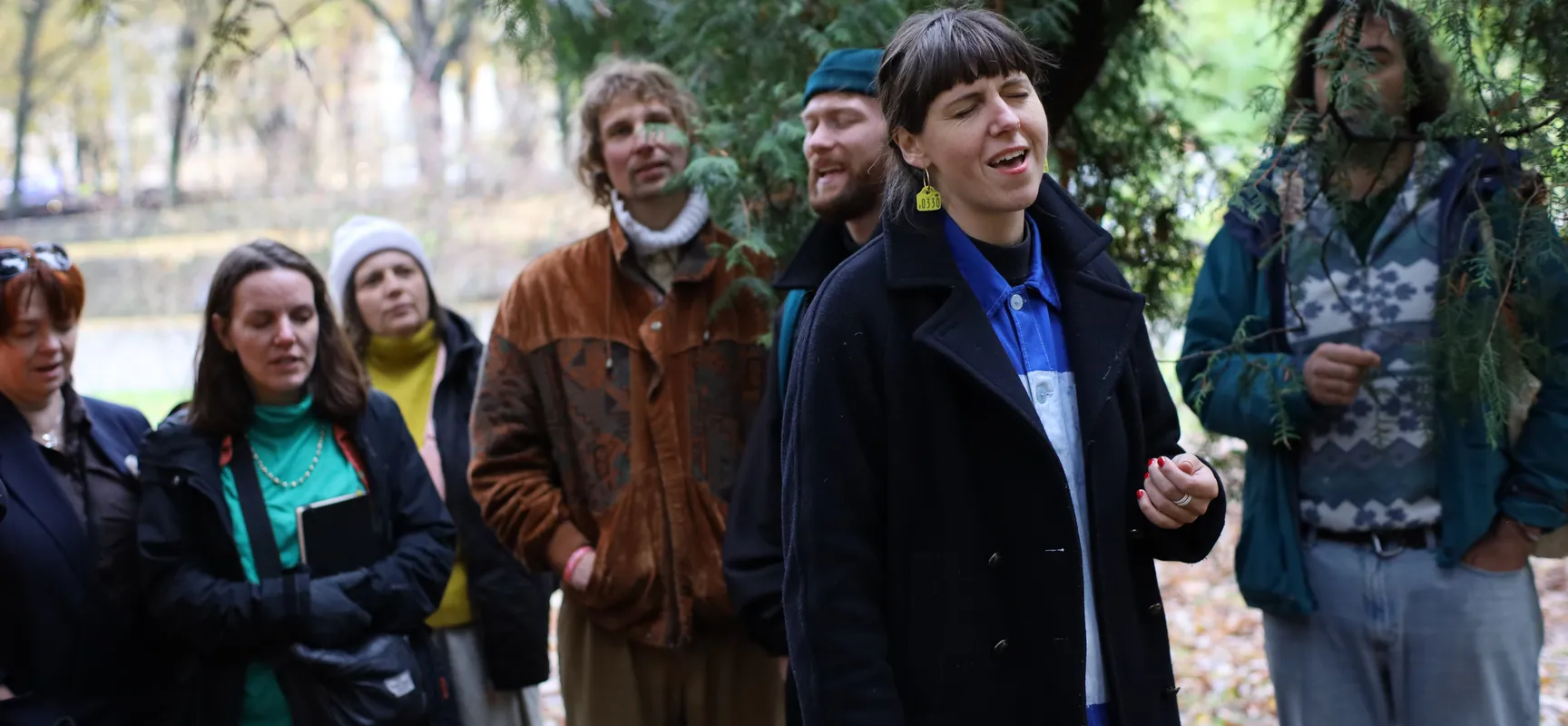
Poetic encounters emerged throughout the walk, including singing with conifers, discovering a fallen tree stubbornly sprouting new shoots, and sensing the layered memories within Bastejkalna Parks, a romantic garden built on the city’s historic bastions.
© Martins Grauds
© Martins Grauds
© Martins Grauds
© Martins Grauds
© Martins Grauds
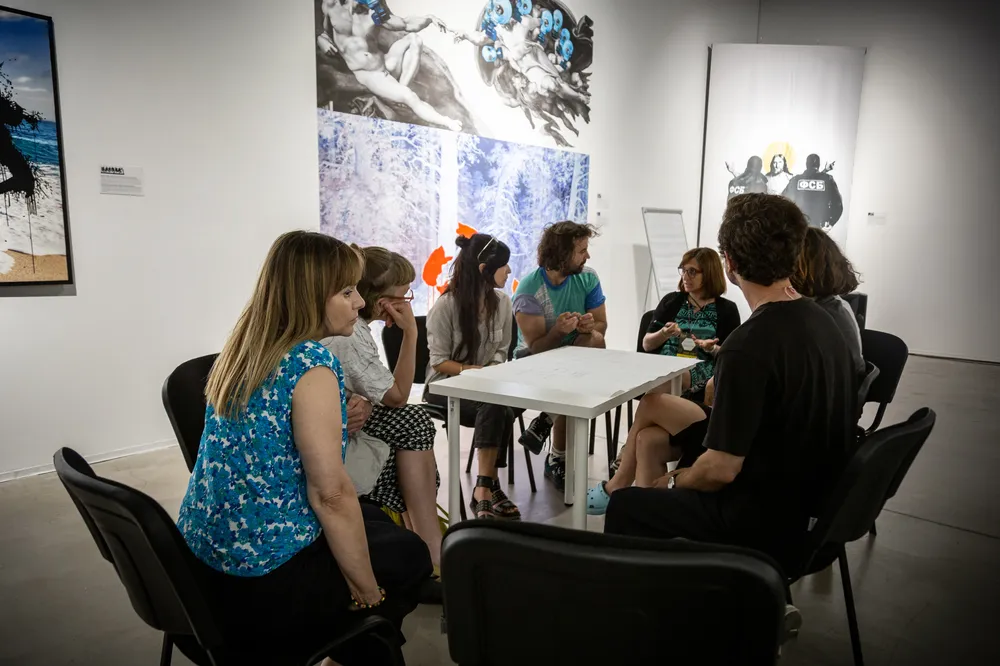
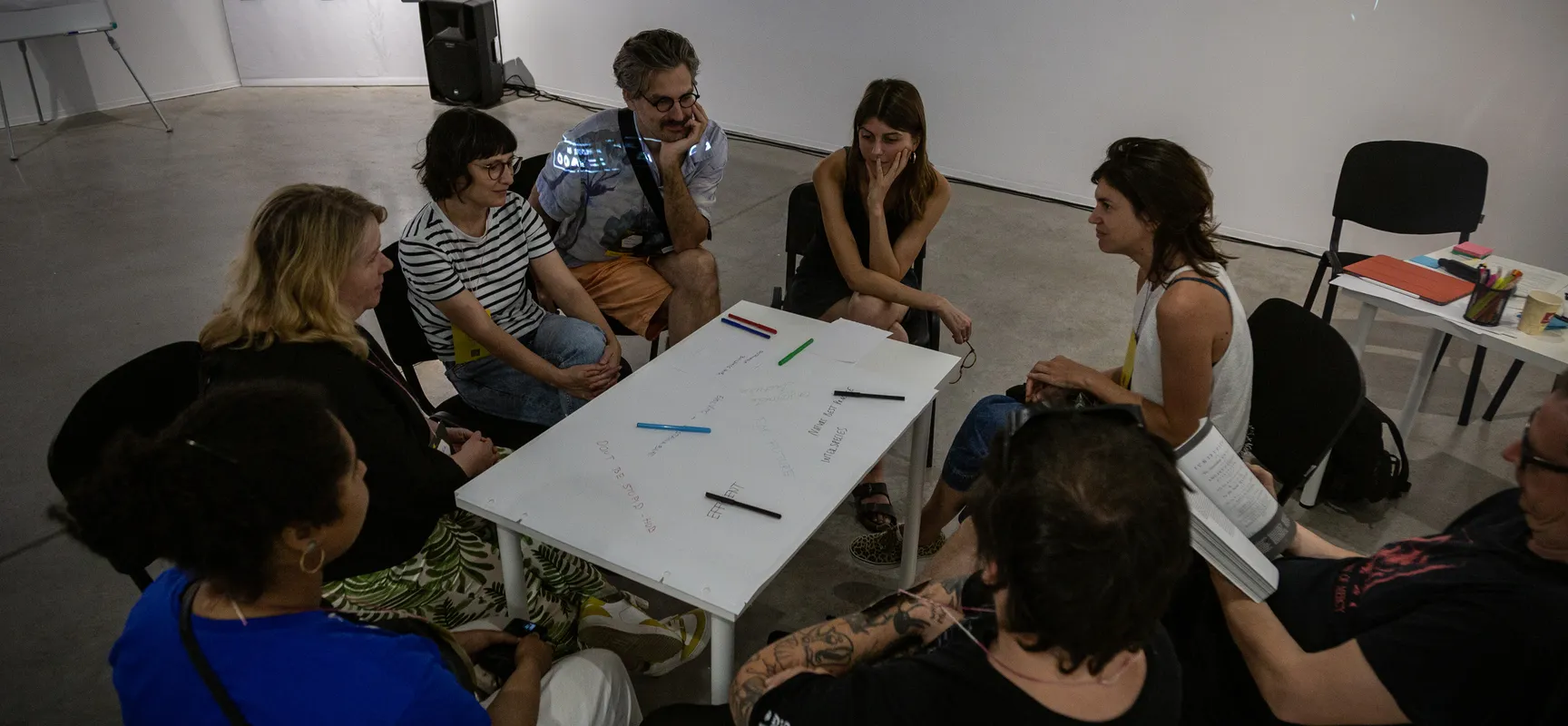
The following day, Hugo and Leonardo led a linked indoor workshop at Kaņepes Kultūras centrs, Building Together the N.E.S.T. Anchored by the N.E.S.T. hub — the new name for the TEH Sustainable Buildings Hub — the session introduced tools to reimagine cultural centres as spaces of commoning and catalysts of ecological and social transition. Drawing on insights from the walk and situated projects, participants co-drafted a collective Maintenance Charter, framing maintenance itself as an act of nest-building and imagining cultural centres as climate refuges within the permacrisis.
The TEH99 NEST session facilitated by Hugo Tiers, Guglielmo Capurro from Common Ground, and Leonardo Delmonte, explored how ecological thinking can shape residencies and cultural centres. Discussions focused on living collectively in shared spaces, considering humans, animals, plants, and even artificial materials. Real-world examples included the Imbarchino project in Turin and a rural residency along the Po River in Ferrara, which highlighted co-creation, environmental awareness, and community regeneration through interdisciplinary collaboration.
Participants examined how people interact with and transform landscapes over time, addressing the carbon crisis and ecological challenges through collective, cross-disciplinary approaches. The session also introduced The Low-Profile Manifesto, emphasising small, interconnected actions and bottom-up initiatives that combine multiple scales and hybrid disciplinary approaches.
Case studies included Argenta, where workshops, artistic interventions, and co-designed infrastructures helped reconnect residents to the Po River, and the Privaglio Route, which revitalised a historical route through ecological and social interventions, integrating local communities, artists, and students.
The Common Grounds project, led by Imbarchino, illustrated practical ways for cultural centres to implement ecological practices through collaborative workshops, local experimentation, and peer learning, creating a shared, evolving infrastructure for ecological culture.
Overall, the session demonstrated that systemic, ecological transformation in cultural spaces is achievable through co-creation, inclusion, and sustained community engagement.
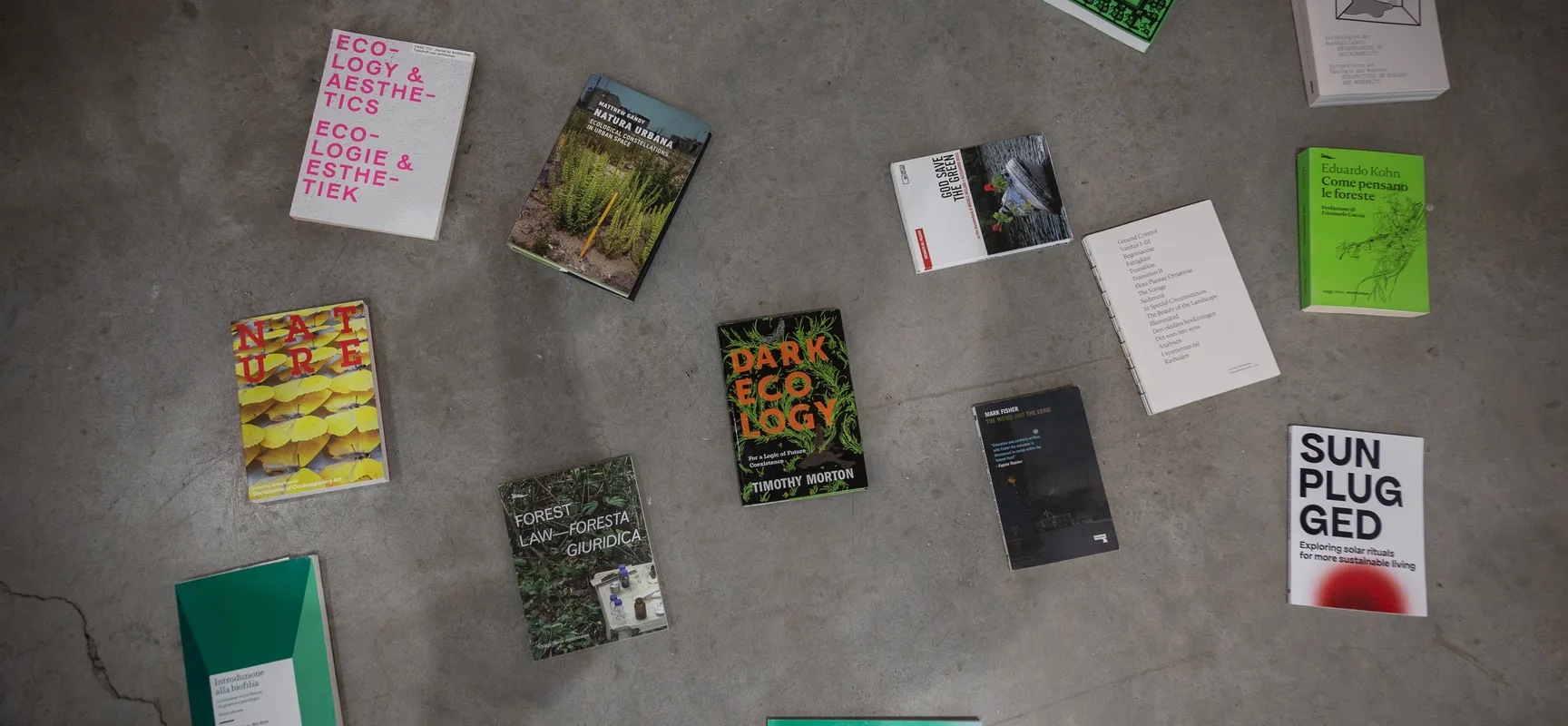
©Stan Baranski from Sklad Solny
©Stan Baranski from Sklad Solny
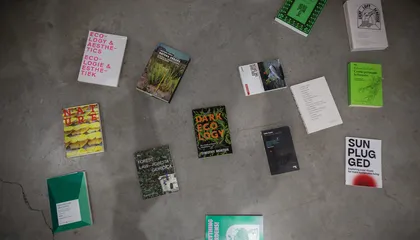
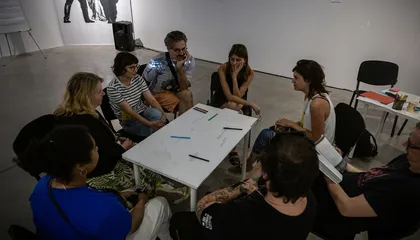
In 2024, the Hub tackled some of the challenges shaking up the cultural sector. Through hands-on workshops, creative presentations, and lively brainstorming sessions, the focus was on finding real solutions to issues like gentrification, shrinking resources, and the push for ecological responsibility. The year’s activities sparked new ideas, highlighted urgent priorities, and opened the door to practical, forward-thinking approaches for a more sustainable future.
Do you want to know more? Read the full report!
Albania
Austria
Die Bäckerei — Kulturbackstube
Kulturfabrik
Kulturhauptstart St. Pölten
WUK Werkstätten- und Kulturhaus
Belgium
Wijngaarde & partners bv
Croatia
Czech Republic
Vzdělávací a Kulturní Centrum Broumov
Estonia
Finland
France
Le 6b // Pot Kommon France
Georgia
Germany
Greece
Ireland
Italy
C.AR.M.E.
Manifatture Knos
Zo centro culture contemporanee
Latvia
Norway
Romania
FITT - Timis County Youth Foundation
Slovakia
Sweden
United Kingdom
From TEH member Consorzio Wunderkammer (Italy)
l.delmonte@consorziowunderkammer.org