As part of Trans Europe Halles’ efforts to strengthen connections across our growing network, we are continuing the series of in-depth member interviews called "Spotlight on TEH members". With more than 180 TEH member organisations across very different contexts, we want to create space for storytelling that goes beyond project reporting: stories that help us better understand each other, our places, and the people behind them.
We continue with BASIS Vinschgau Venosta – a TEH member from Silandro, Italy. BASIS is also the host for the TEH102 Camp Meeting in Silandro happening in October 2026.
We reached out to Hannes Götsch – the founder and the CVO in charge of the strategy, projects, and the network – and Anna Hilber – the vice president and working with communications and cultural management – to tell us a bit more, how the story of BASIS started in 2015 and what and who exactly BASIS is today.
Hannes, how exactly did it happen that BASIS came to be?
BASIS was established in the late summer of 2015. For me, it was a moment when I was free, my mind was open, I had space to think, and my antennae ready to conceive new ideas, connections, and possibilities.
At the time, I was on sabbatical and going through a period of personal change. I had always been interested in the relationship between people, technology, and systems – the men machine connex. Being on sabbatical gave me the opportunity to step back and ask myself what I actually wanted to do.
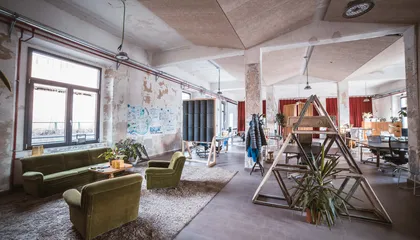
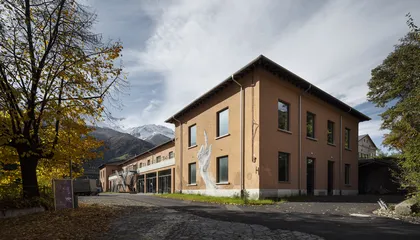
And then came this moment of serendipity. I was visiting the KASINO venue and suddenly realized that the building could become an event and club space, while the more economically oriented areas could be transformed into what is now our co-working space.
I saw the potential to create a unique fusion of economy, culture, and social activation. I realised that this could be the ideal place to establish a new initiative — a new engine for diversifying and strengthening the local territory.
So, I approached the municipality and began involving local politicians and the administration. What started as a radical, temporary intervention gradually developed into something much more ambitious.
I think one of the most important factors in the early days was the strong intrinsic motivation of the people involved. There was a shared belief that this project was worth pursuing, and that collective motivation is what really helped us get BASIS off the ground.
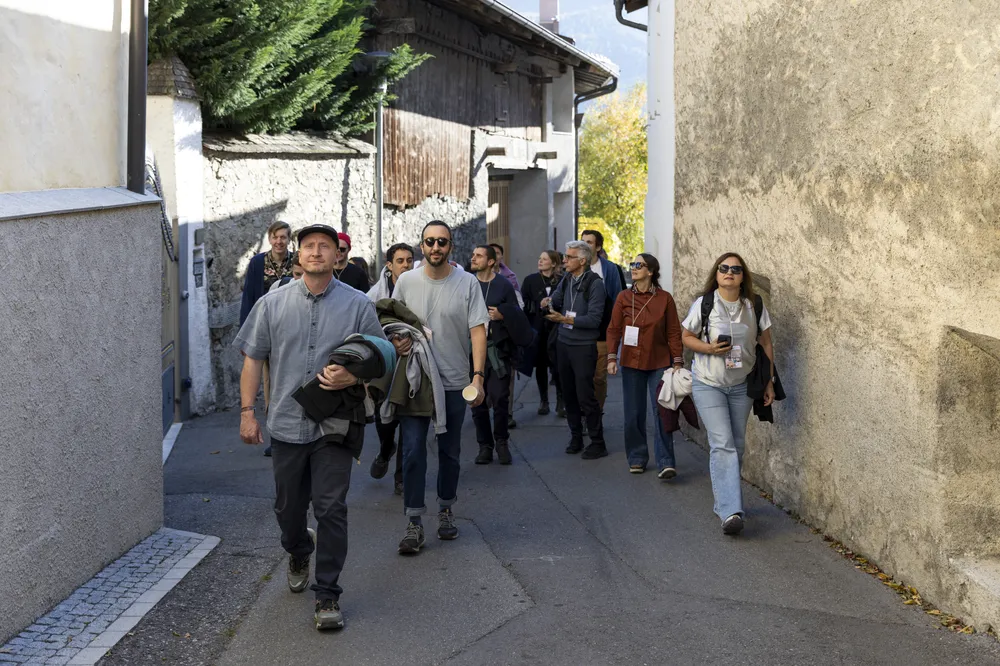
There seems to have been a need to create something like BASIS in the region. Hannes, could you tell us more about that?
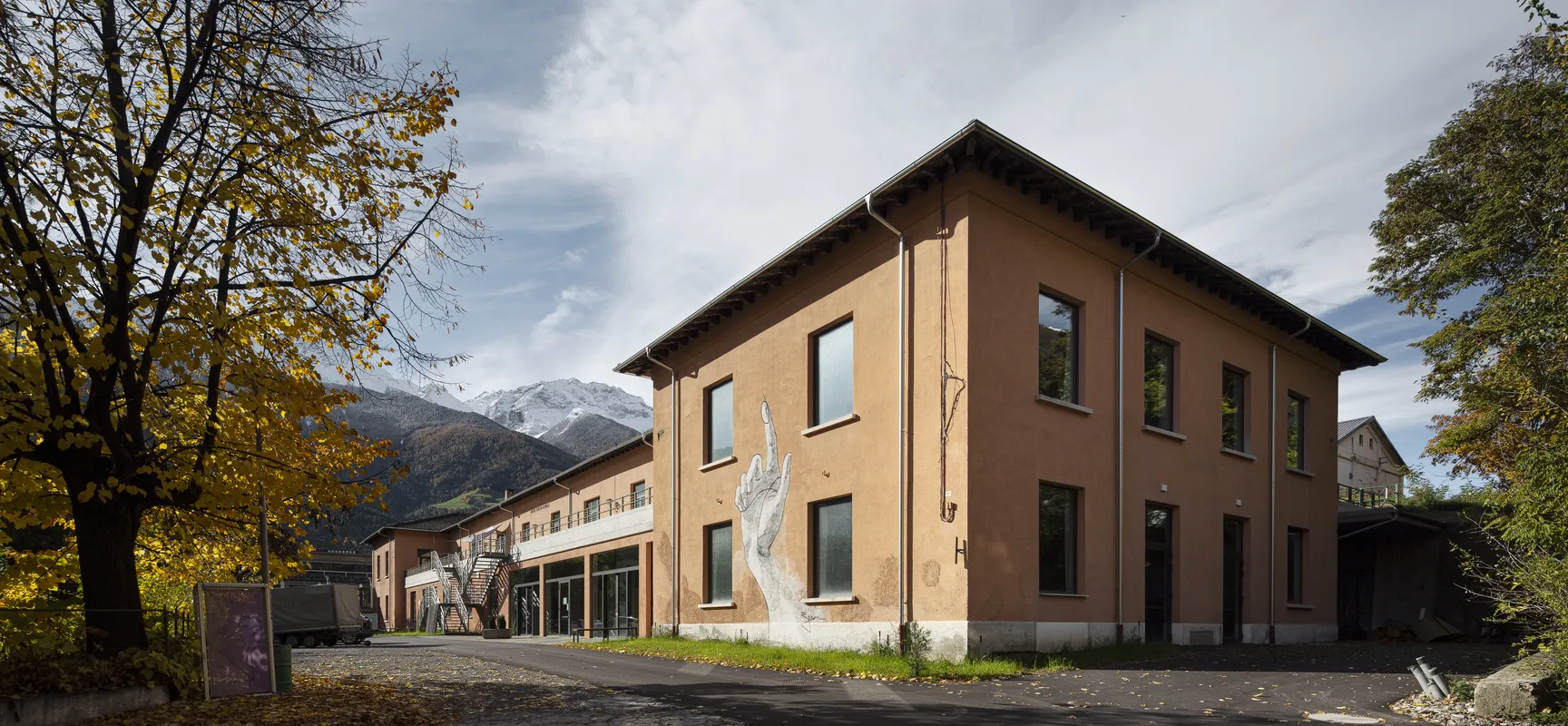
The barracks had been abandoned since 1995 and had become this unused building complex right in the heart of our town. At the same time, there was a growing sense of stagnation in the local economy, which had developed in a very one-sided way.
The economy was heavily focused on the primary sector, particularly agriculture, and there was (still is) a strong degree of monoculture. I perceived this almost as a kind of luxury lethargy: there was so much economic activity and growth in the private sector that there was little pressure or incentive to question the existing model. At the same time, some of the more basic human and social values were gradually being neglected.
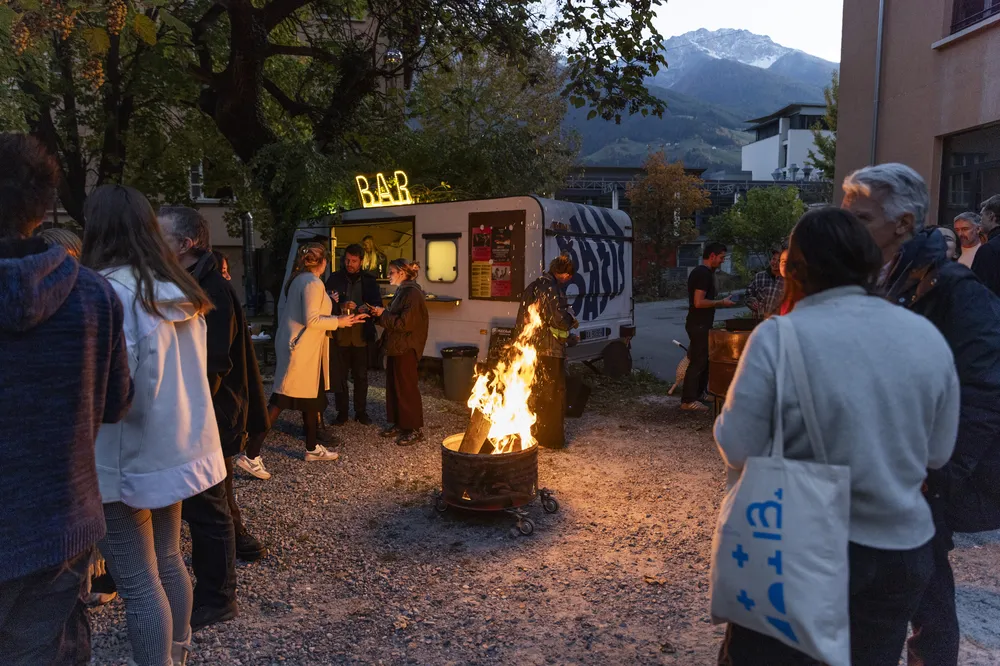
Politically, the situation was also quite conservative. There was a strong desire to preserve the status quo rather than to question it or think more radically about what sustainable, long-term development and diversification could look like.
We therefore saw a strong need for a change of perspective — for a redefinition of what regional development could mean when viewed through the lenses of culture, circularity, education, and social development.
For us, BASIS was therefore not simply about finding a new use for an abandoned building. It was about using that space as a catalyst for change and creating new possibilities for the long-term development of the region.
Hannes: There was, and still is, a significant amount of resistance towards the project. People simply don’t understand what we do or how we do it. But in many ways, that is also part of the role we have chosen to take.
We want to challenge the system. We want to be an inconvenience — to question established structures and point out what is missing. That has been our role from the beginning, and it remains our role today.
From the very beginning, we also challenged the original plans for the site. The area had primarily been perceived as a conventional property development project. Our vision was fundamentally different. We wanted to give the space back to the community, make it accessible to a much broader public, and ensure that the people living in the town could actually use and benefit from it.
Of course, there is still a lot of misunderstanding around what we do. Some people simply don't understand the purpose of BASIS or don't yet see the benefits and potential it offers. Others don't necessarily feel that there is a need for this kind of space or this kind of input in the first place.
But I think this is also part of what it means to take on this role. If you are trying to introduce new ideas, new forms of collaboration, and new ways of thinking into an established system, there will inevitably be some resistance.
Anna: Of course, the center has evolved over the years. We are in a constant process of development, and we believe this is essential for a hybrid hub located in a rural area.
We often use the expression "permanent provisionality" to describe our approach: a space that is continuously evolving, agile, and multifunctional, and therefore capable of responding to emerging needs and changing circumstances.
Not everything is intentionally left unfinished, but certain aspects are deliberately kept open and adaptable. This flexibility is crucial because it reflects the needs of the local community. People need a space that they can shape and use according to their own ideas, projects, and changing situations.
Our community is incredibly diverse. We welcome people from the local area and the wider region, as well as international visitors. We bring together different generations, backgrounds, experiences, and perspectives. Naturally, each person also brings different expectations and needs.
To create an environment in which everyone feels welcome, we have to remain flexible and adaptable. I would say that the most important lesson is to embrace change rather than resist it. We need to anticipate it, plan for it, and incorporate it into our long-term thinking.
Anna: Our biggest dream for the future is, of course, greater autonomy.
Maybe one day, we will receive unexpected financial support from an yet unknown suprise angel investor that would allow us to acquire the barracks ourselves. That could open up the possibility of creating a cooperative, developing a new form of social governance, and establishing a model of shared ownership for the entire site.
Beyond the question of ownership, we dream of a place that can truly operate autonomously — a place where people support one another, share resources, and build a culture of mutual aid and collaboration.
And, of course, if we allow ourselves to dream about a better future, we have to dream big. So, we dream of world peace and a healthy planet.
We wanted to give the space back to the community, make it accessible to a much broader public, and ensure that the people living in the town could actually use and benefit from it.
Hannes
Anna, how does BASIS sit in the local context of South-Tyrol area in 2026?
BASIS is situated in a very unique context that influences our work in many different ways.
Through our work at BASIS, we try to encourage openness, dialogue, and exchange beyond regional boundaries. We want to create connections between local and international perspectives and offer opportunities for people to engage with new ideas and different ways of thinking.
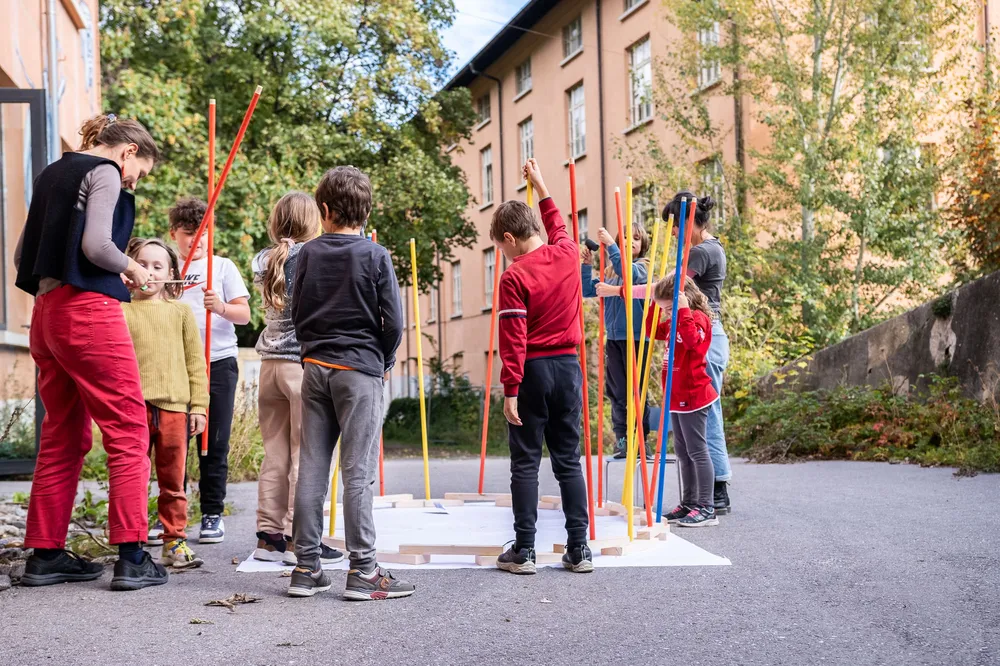
First of all, we are located in a former fascist military barracks. This means that we are closely connected to a complex historical and cultural heritage that we not only have to acknowledge but also actively engage with in our daily work.
At the same time, we are located in a border region, close to both Switzerland and Austria, in a very narrow Alpine valley. The nearest larger city is more than an hour away, which means that we are clearly operating within a rural setting.
However, Silandro also serves as the centre of the valley. It is home to important infrastructure, including schools, a hospital, and many other public and social services. This creates an interesting dynamic: we are geographically remote, yet we are also embedded in a local hub that plays a central role in the region.
The geographical characteristics of the valley also influence the social and cultural environment. We are part of a region that is traditionally more conservative, with agriculture playing a significant role in both the economy and everyday life. Historically, there has been less exchange and fewer opportunities for international interaction.
Politically, we also operate in a rather conservative environment, both at the municipal and regional levels. Naturally, this influences how our work is perceived. Fortunately, however, it has not affected our funding. We are in the privileged position of still receiving strong financial support from local institutions, which allows us to continue developing our projects and pursuing our mission.
From a social perspective, our goal is to create a more open and inclusive environment. As a social innovation hub, collaboration is at the heart of everything we do. We want to be a place that is accessible to everyone and where different people, ideas, and perspectives can come together. We often speak about positive friction and its potential.
In many ways, BASIS lives and breathes through its community. Our work depends on people: their participation, their ideas, and their willingness to collaborate. As an organisation, we can only continue to grow and evolve if people actively engage with us and share their needs, expectations, and aspirations.
Ultimately, our aim is to work together to create a better and, hopefully, more positive future for the region and the people who live here.
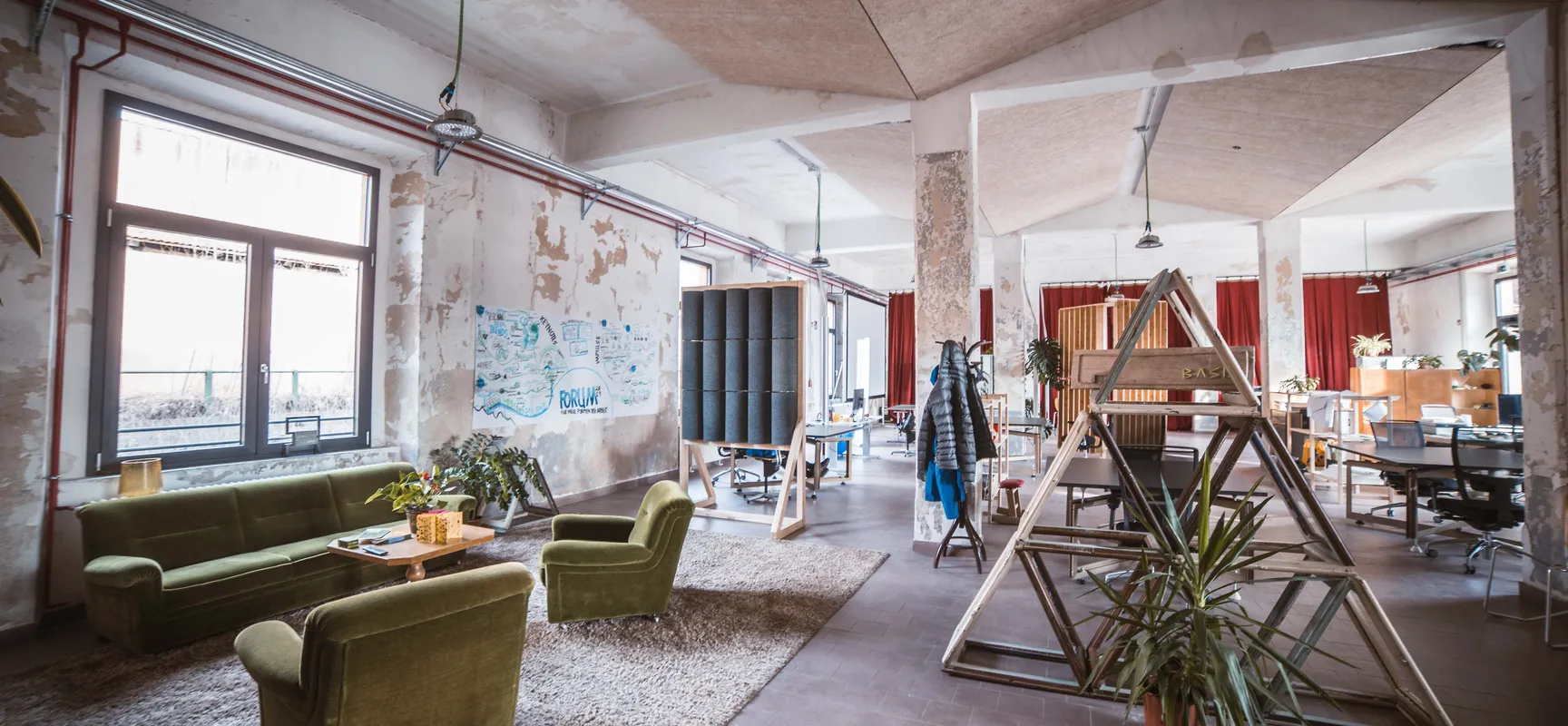
Anna, could you tell us more about the people of BASIS? What is BASIS community like?
The community at BASIS is an interesting and, in many ways, surprising mix of people. In fact, it is probably much more international than most people would expect.
As a result, our community brings together people with very different backgrounds, professions, languages, nationalities, identities, and experiences. I sometimes describe it as a surprise box or even a confetti shower — a colorful and constantly changing combination of people and perspectives.
What makes this especially inspiring is the constant exchange of ideas, stories, and experiences. There is always someone bringing a new perspective or a different way of looking at things.
For us, community doesn't only mean the people who are currently working or participating on site. It also includes everyone who feels connected to BASIS and shares our values and vision.
We stay in contact with many people long after they leave, and quite a few return regularly over the years. For us, this is a clear sign that meaningful relationships have been built and that a genuine sense of belonging has developed.
Ultimately, these long-term connections demonstrate that there are shared values, shared goals, and a shared vision for the future. And that is something we deeply appreciate and actively try to nurture.
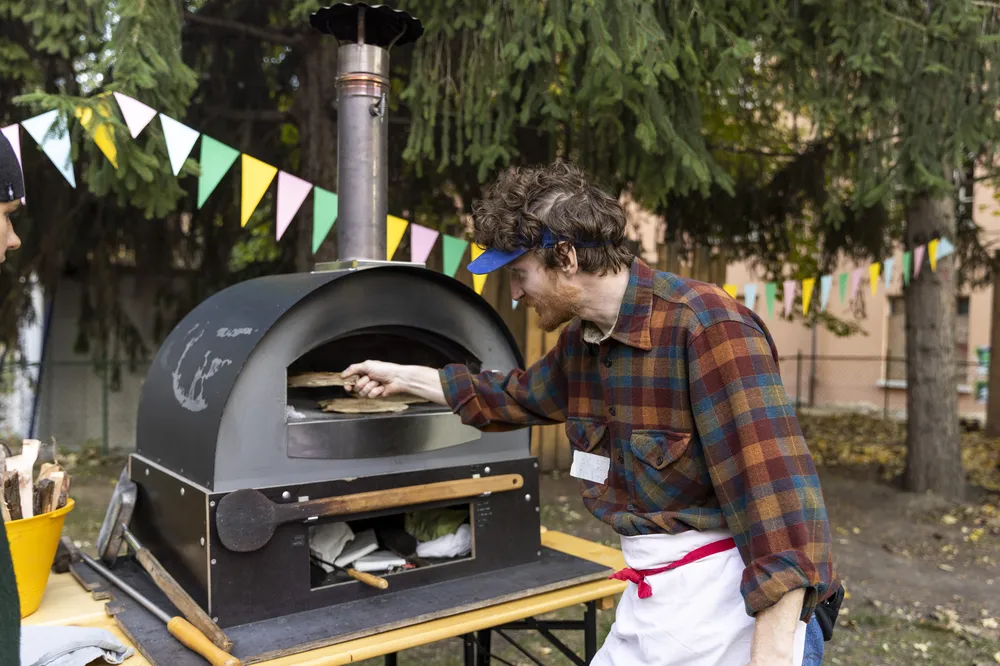
Anna: One of our main target groups is, of course, the people who live and work in the valley, particularly in Silandro. BASIS operates on land that was originally expropriated for the construction of the military barracks, so for us, it is especially important to give the building and its infrastructure back to the local community.
That is why we actively seek to collaborate with local people, involve them in our activities, and create opportunities for them to shape and use the space themselves.
More broadly, the idea of circularity is also very important to us. Of course, everyone is talking about the circular economy, but we understand circularity in a much broader sense. We believe that whatever you invest — whether that is energy, resources, knowledge, or relationships — can come back in different forms. This is why we try to remain open and create connections between different people, sectors, and communities.
At the same time, as a social innovation and creative hub, one of our key target groups is people and organisations working in, or interested in, the cultural and creative industries. This is perhaps best represented by the people working in our co-working spaces, but also by the many projects and initiatives that we develop together.
For us, everything is interconnected. We see social activation, culture, the economy, and ecology as different parts of the same system. We believe they can only have a meaningful and lasting impact when they are considered together.
So, in a way, our target group is as broad as our programming and our work. We operate on a local, regional, national, and international level. And we are interested in involving anyone who is curious about what we do, wants to contribute, wants to become part of the community, or simply enjoys collaborating and spending time with us.
Anna: We are actually located in a trilingual region. The three official languages are Italian, German, and Ladin, which is a Reto-Roman language with its own distinct cultural and linguistic heritage.
I think there is a real strength in being able to move between languages. At least in my experience, certain things are sometimes better expressed in one language than in another. We might use a particular word or expression in Italian, another in German, and something else in English, depending on what we are trying to express.
So, we shift between languages quite naturally, and this creates a very dynamic way of speaking, thinking, and understanding. Even when two words or expressions appear to mean the same thing, they can carry very different connotations depending on the language and the cultural context behind them.
Being able to access these different linguistic and cultural perspectives,or simply being aware that such differences exist, helps us to understand ourselves better, but also to understand the people around us.
For us, multilingualism is therefore more than simply being able to communicate in different languages. It is a lived practice and also a way of opening up different perspectives and becoming more aware of how language shapes the way we think and interact with one another.
Anna: As I’ve mentioned before, everything we do is somehow connected to broader societal and ecological transformation. For us, circularity is not something separate or isolated, but something fundamentally interconnected.
We need culture to drive sustainable development. We need social participation to make economic transformation possible. And we need education to provide people with the knowledge and tools to shape and support these changes.
So, for us, everything is connected — and we actively try to connect these different fields in our work. It works both ways: each area influences the others, and meaningful change can only happen when we consider them as part of the same system.
In terms of what we are currently working on, we have a wide variety of projects. They range across the fields of culture, economic and ecological development, social impact, technical prototyping, and education.
Hannes: From the beginning, it was important to us to create a shared space where the corporate economy and the cultural and creative industries could meet, interact, and learn from one another.
Today, our work is structured around three main pillars: services, spaces, and events. Across all three pillars, the underlying idea is the same: to create a space where different people, sectors, and ideas can come together, experiment, and develop something new.
A specific example for us is the way cultural and creative industries can act as an engine for economic and social diversification while also creating space for local skills and competences.
One example is our Kreativwerkstatt, our creative workshop, which we are continuously developing and expanding. The existing structure is relatively simple, but it has a lot of potential.
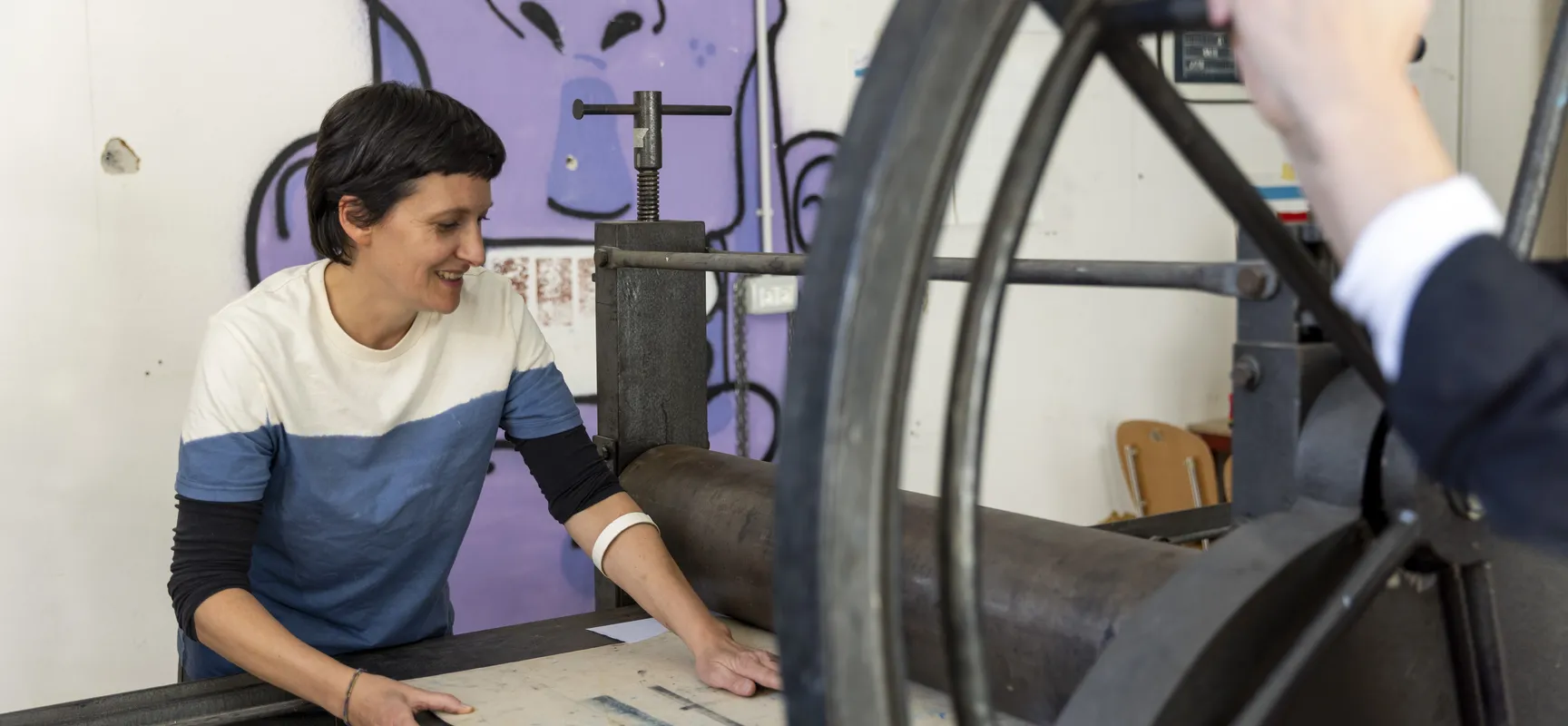
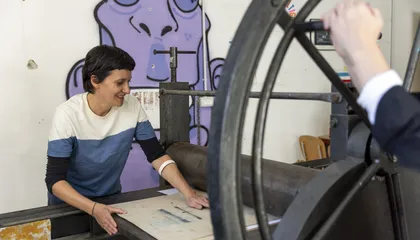
We also have publicly accessible workshops, such as our ceramics and printing workshops. These create a connection between private and public space and provide opportunities for cultural production and development.
The communal spaces in between are equally important. They give people opportunities to meet, collaborate, exchange knowledge, and experiment together. This combination of individual workspaces, shared infrastructure, and communal areas creates a very productive environment for creative work.
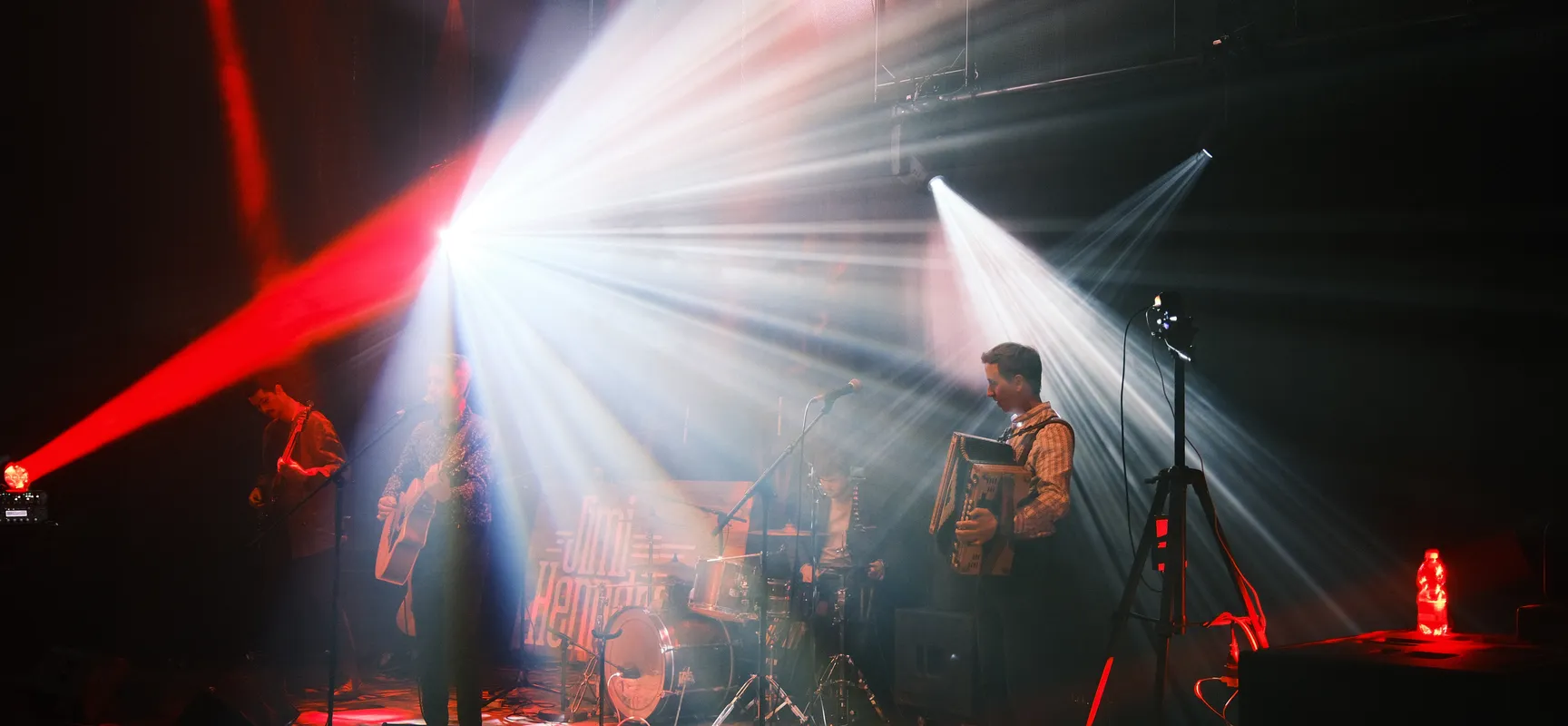
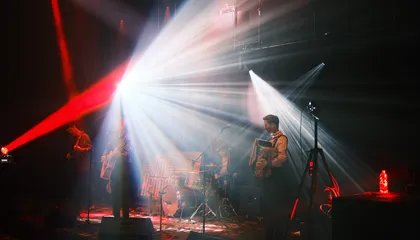
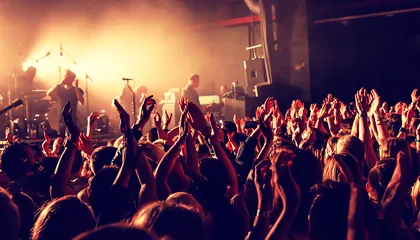
Another important example is the KASINO, our cultural club. We see it as a kind of magic-box hybrid: a space where we can support the development of the local cultural scene and the next generation of cultural entrepreneurs.
One of our formats, FAIKasino (Make chaos), is specifically aimed at young subculture activist. We give them the opportunity to curate and activate a high-quality club venue themselves. They receive a small budget to design and organize an evening, and they can use the space free of charge. This is a relatively simple format, but it gives young people real responsibility and the opportunity to experiment. It helps empower them and supports the development of the next generation of cultural entrepreneurs in the region.
So, for us, as Anna said, cultural development, entrepreneurship, community building, and ecological transformation are all interconnected.
By creating the spaces and opportunities for people to experiment, we can help build new skills, new businesses, and ultimately new forms of regional development.
Hannes Götsch
You're soon welcoming the diverse TEH network to your valley. Anna, why is international collaboration important to BASIS?
As a rural hub in a very regional setting, we have a strong need for international exchange and external input. This is how we avoid being redundant or autoreferential. We actively seek out these connections and continuously work to create opportunities for encounters with people, organizations, and perspectives from beyond our immediate region.
For us, this is not only about inspiration and learning. International exchange also plays an important role in securing the independence and long-term legitimacy of the hub. We need visits from international experts and peers who can experience what we are doing here and share their perspectives.
There is a saying: “Do good and talk about it.” But sometimes it is even more powerful when someone else experiences what you are doing and talks about it. Word of mouth can be much more effective than simply promoting yourself.
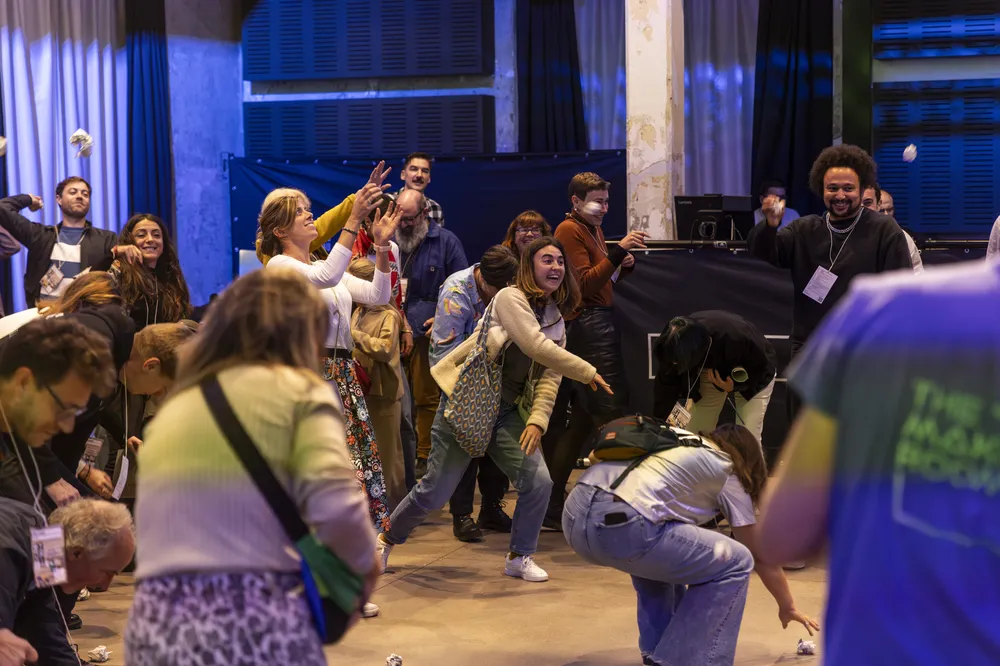
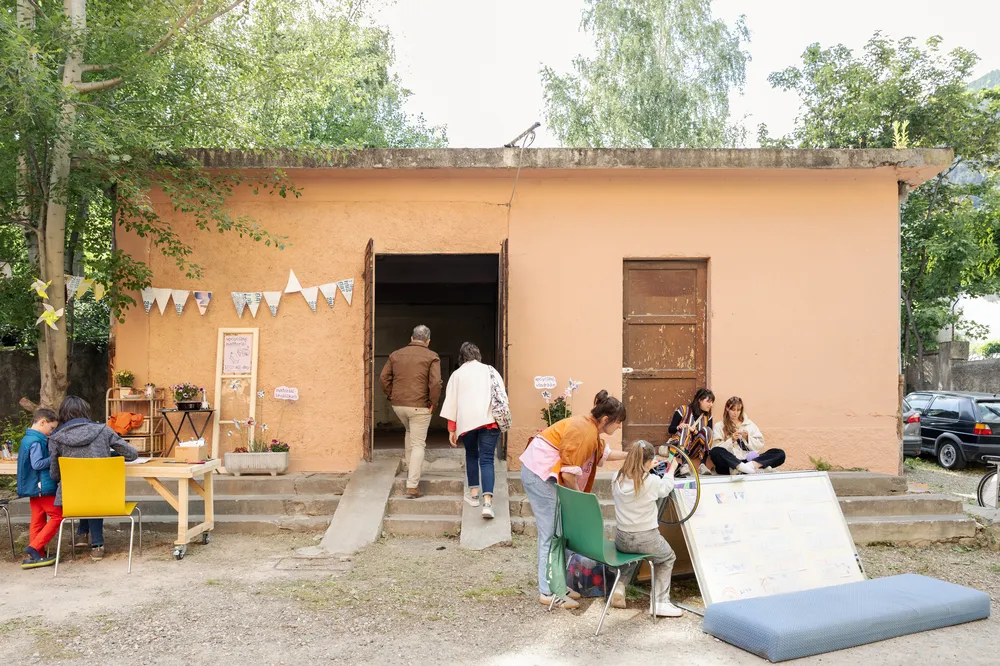
This international perception and recognition is particularly important for our local political work and lobbying. When we can demonstrate that people from outside the region value and engage with what we are doing, it strengthens our position in discussions with local administrations and governments. It helps us demonstrate the relevance of our work and, ultimately, supports our efforts to secure long-term political and financial support.
So, international collaboration is a really important part of our strategy. This is why we try to participate in as many conferences, exchange programs, and international projects as possible. We particularly enjoy working on European projects because they allow us to build long-term relationships and exchange knowledge across borders.
Hannes: BASIS joined the Trans Europe Halles network in October 2021, at the conference in Bratislava. I had already heard about it quite a few times, and I was immediately drawn to the network. I felt there was a strong positive energy, activism, and solidarity.
At that point, those were exactly the kinds of things I needed. Developing and growing a project like BASIS is challenging, especially when you are working in a peripheral and rural context. In the early stages, our development was very much driven by relational networking — building connections with people and organisations and learning through those relationships.
With Trans Europe Halles, however, I felt that I had found a network that I could connect with not only on a professional or organisational level, but also on a deeper level of shared content, interests, and ways of working. There were rituals, a sense of fun, activism, and a set of shared values that enriched our experience as an organisation, but also enriched me personally.
One of the most valuable things was the feeling of being understood. It was incredibly reassuring to realize that other people had already experienced many of the challenges we were going through. Having those experiences reflected back to us showed us that what we were experiencing was not unusual, that we were on the right track, and that the difficulties were part of a process that others had also gone through.
Feeling understood is incredibly important. It makes you feel empowered and gives you the confidence to keep moving forward. It also made us feel part of something much bigger. We realised that what we were doing, what we were thinking about, and what we were dreaming of was relevant beyond our immediate local context.
And that is perhaps one of the most important things Trans Europe Halles has given us: not only did we feel understood as people and as an organisation, but we also felt that our work itself was understood and valued. Having that kind of reflection and recognition from a wider community has been incredibly empowering.
Hannes: It is a real highlight for us to be able to host the Trans Europe Halles network here in South Tyrol, at BASIS.
For us, it is an opportunity to bring the community to us. It is a great honor, but also something that is simply very beautiful and meaningful. We are able to share what we have, give something back to the network and its community, and show people who we are and what we are doing here. We hope to give everyone an inspiring and memorable experience, while also creating opportunities for the community to come together, exchange ideas, and connect.
After participating in so many Trans Europe Halles conferences over the years, it is really special to be able to host one ourselves for a change. We are looking forward to welcoming everyone here, sharing our place and our perspective, and creating new connections.
Ultimately, it is about bringing people together and growing together — as a network, as a community, and as BASIS.
Let's finish with GRINTA – the theme of TEH102 Camp Meeting. Anna, how is GRINTA reflected in the everyday life of BASIS?
Grinta is an Italian word that is not easy to translate directly into another language. If I had to define it, I would describe it as a spirit of resistance, persistence, and determination, a strong fighting spirit.
It carries the image of someone baring their teeth, digging in, and refusing to let go. But it is not an aggressive gesture. It is a committed and determined attitude, the feeling that you are fighting for something you truly value and do not want to give up on. For us, grinta describes that moment when you feel the urge and the need to stand up for something, to keep going, and to remain convinced that what you are doing is worth the effort.
This is something we really embrace at BASIS. We try to face challenges head-on rather than giving up. When things become difficult, we look for ways to continue, collaborate, and find solutions together.
It is also connected to our general approach: we try to start from a place of possibility rather than focusing only on problems. Instead of simply saying “no,” we try to say, “Yes, but under these conditions.” We look for ways to make things possible, even when the circumstances are challenging.
That spirit of persistence and possibility is what grinta means to us at BASIS. It is a kind of determination that keeps us moving forward.
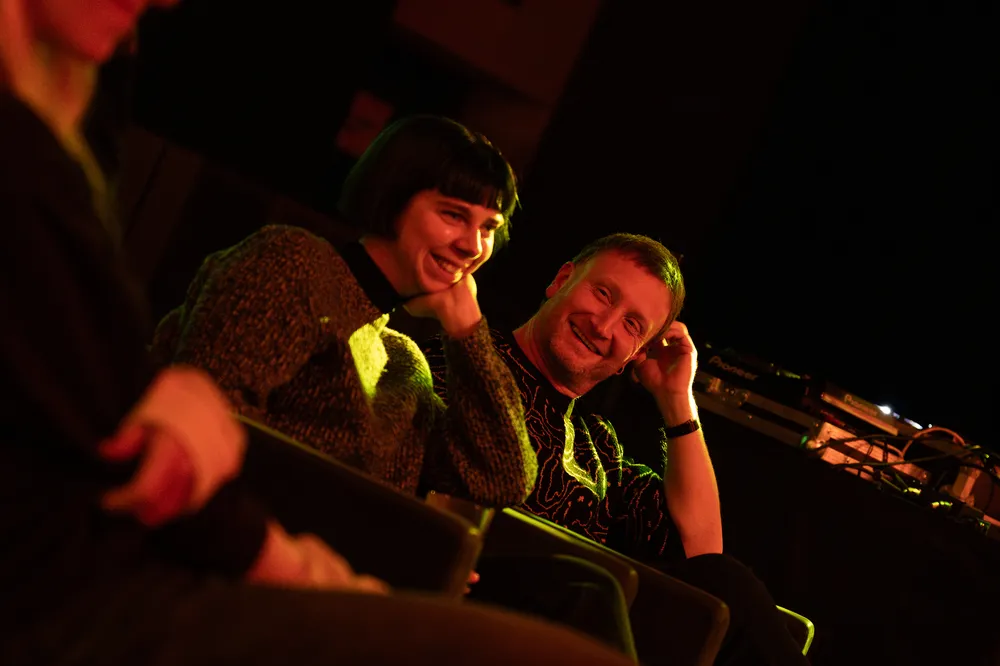
Thank you, Hannes and Anna!
Photos: BASIS