Solidarity
Solidarity as a shared practice
Solidarity has been at the core of Trans Europe Halles since the network’s foundation. What began as a shared commitment among independent cultural spaces has, over time, evolved into a set of concrete practices that allow the network to respond collectively when members face political pressure, social upheaval, or humanitarian crisis.
In moments of urgency, TEH activates its Solidarity Fund, providing emergency support to members in need. In parallel, the network mobilises advocacy, resource coordination, and long-term programmes that strengthen resilience beyond immediate relief. Together, these actions form a living solidarity ecosystem rather than a single instrument.
Members can activate the Solidarity Fund by contacting the TEH Coordination Office team members directly via email, as outlined on TEH’s website. Once a request is assessed, the fund is activated and communicated through TEH channels, often accompanied by wider calls for support and collective action.
Solidarity beyond the fund
While the Solidarity Fund remains a central mechanism, it represents only one dimension of TEH’s approach. Over the years, solidarity has taken many forms: public advocacy in moments of political repression, coordination of housing and mobility for displaced artists, peer-to-peer capacity building, and long-term collaborations aimed at rebuilding cultural ecosystems under pressure.
The initiatives outlined below reflect how these tools have been applied across different contexts and regions, shaped by the specific realities faced by members and partners.
Georgia and Slovakia: defending cultural freedom in Europe
In recent years, TEH has increasingly mobilised in response to political developments in Georgia and Slovakia that threaten artistic freedom, cultural institutions and independent cultural workers. Rather than isolated interventions, these actions form part of a broader advocacy effort addressing the erosion of democratic and cultural freedoms within Europe.
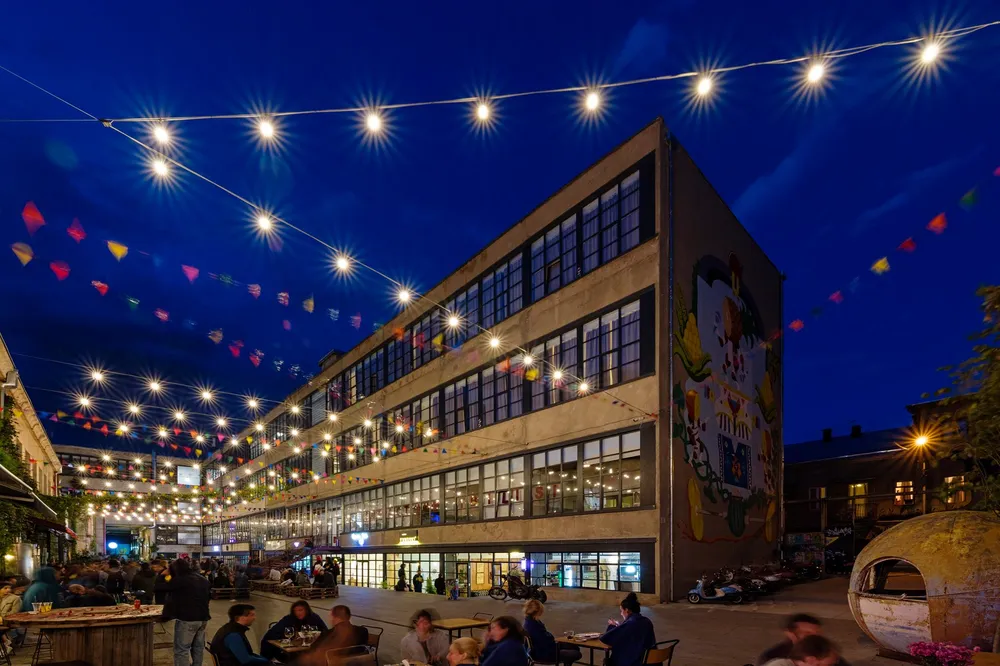
In 2024, TEH amplified campaigns and calls for support emerging from both countries, using its network and communication channels to raise awareness and mobilise solidarity among members and partners.
This advocacy culminated in May 2025 with TEH’s participation in the Open Culture! International Conference in Bratislava. Organised by the Open Culture platform in collaboration with Wiener Festwochen and a broad coalition of international cultural actors, the conference addressed the worsening state of culture in Slovakia and across Europe. Discussions focused on growing authoritarian tendencies, increasing censorship, deepening societal polarisation, and severe budget cuts affecting the cultural sector.
The gathering aimed to strengthen cross-border collaboration among EU member states, build collective pressure on European policymakers, support networking among cultural platforms, and identify shared responses to the crisis facing the cultural and creative sectors. Representing Trans Europe Halles, Executive Committee member Mykhailo Glubokyi contributed to the panel discussion “Authoritarian Cultural Policies”, situating national developments within a wider European context.
The conference concluded with the presentation of The Bratislava Declaration, a landmark document reflecting the lived experiences of cultural workers, artists, institutional leaders and grassroots organisations across the European Union. The Declaration calls on EU leadership to act decisively against the erosion of artistic freedom and the independence of cultural institutions. Trans Europe Halles co-signed the Declaration, reaffirming its long-term commitment to advocacy and collective action in defence of cultural democracy.
Ukraine: from emergency response to long-term rebuilding
Since the Russian invasion of Ukraine in 2022, Trans Europe Halles has engaged in its most extensive solidarity mobilisation to date. The response unfolded in phases, beginning with immediate emergency support and gradually expanding into long-term programmes focused on recovery, collaboration, and structural rebuilding.
In the early days of the invasion, the TEH Coordination Office focused on direct, practical support. Information was gathered and shared across the network to connect displaced Ukrainians with members able to offer assistance — from transport at the border and temporary accommodation to access to emergency funds and artistic residencies. At the same time, TEH issued public statements sharing verified information and calling on the cultural sector to act in solidarity.
As the situation stabilised into a protracted crisis, TEH launched a dedicated Solidarity Platform to collect financial support for Ukrainian members, their families, and colleagues. The platform was open to anyone wishing to contribute, signalling a collective stand with Ukrainian cultural workers. More than €16,000 was raised, directly supporting nine member centres and partner organisations in Ukraine and neighbouring countries.
To further mobilise the network, TEH initiated the Art of Giving campaign. Rather than prescribing a single format, members were encouraged to design fundraising events rooted in their local contexts — from film screenings and concerts to club nights and exhibitions. Proceeds were donated either to the TEH Solidarity Fund or to trusted partner funds, reinforcing a decentralised and participatory model of solidarity.
Recognising that displacement also disrupts professional trajectories, TEH’s East Hub launched Re-Source Ukraine, a programme designed to support organisations working with forcibly displaced Ukrainian artists and cultural professionals across Europe. The initiative combined networking, mentorship, and cultural exchange, creating pathways for artists to re-establish their practices in new contexts.
A key moment within this programme was Ukraine Month, held between 24 February and 23 March 2023. Cultural centres across Europe were invited to organise public events — including discussions, exhibitions, performances, and filmscreenings — reflecting on a year of war in Europe. With programme and communications support from the East Hub, fifteen centres organised more than fifty events, forming a large-scale, trans-European act of cultural solidarity.
Alongside these initiatives, the East Hub coordinated an open call to the TEH Solidarity Fund, providing up to €2,000 in financial support to members engaged in ongoing Ukraine-related activities. This allowed local initiatives to continue responding flexibly to emerging needs.
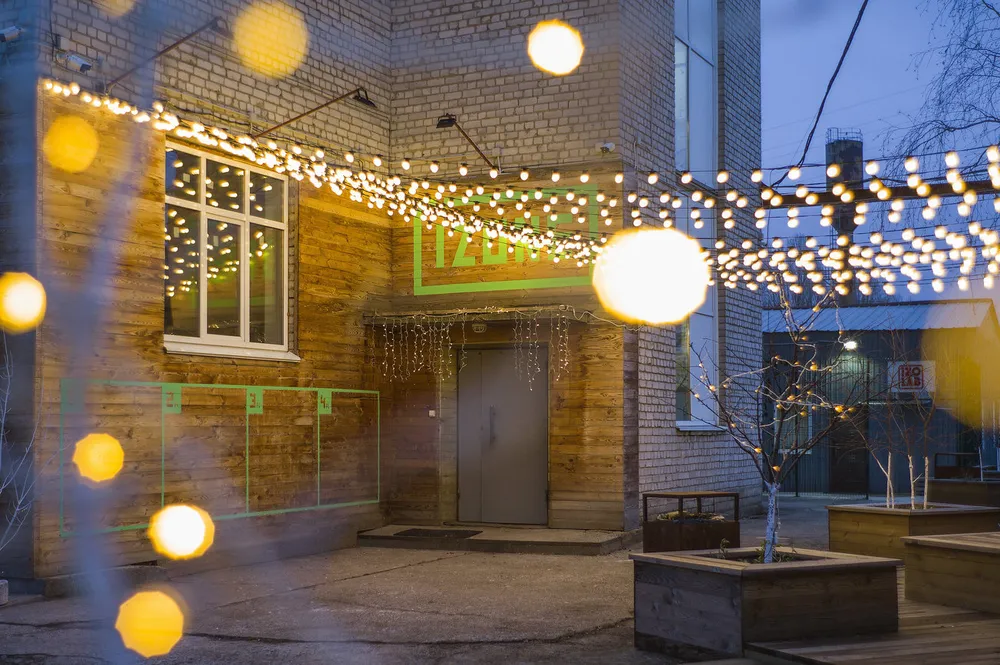
The most structurally ambitious response emerged through ZMINA: Rebuilding, a joint programme developed by the TEH Coordination Office, Maly Berlin, and IZOLYATSIA. Funded by the EU Creative Europe Programme, ZMINA supported cooperation between Ukrainian organisations and partners across Creative Europe countries, addressing the theme of rebuilding in its social, cultural, and infrastructural dimensions.
Through two funding waves, grants of up to €60,000 enabled international collaborations and co-productions, while grants of up to €10,000 supported community-based projects directly in Ukraine. The programme connected forty-eight projects across twenty countries, engaging over 29,000 participants and hundreds of cultural professionals. As a lasting outcome, ZMINA produced publicly accessible mappings of supported projects and Ukrainian cultural organisations, contributing to long-term sector knowledge and visibility.
Belarus: solidarity under repression
TEH’s engagement with Belarus emerged in response to the violent crackdown following the 2010 presidential elections, during which opposition candidates, protesters, and cultural workers were targeted. As repression intensified, the network established a solidarity fund to support Belarus Free Theatre, a long-standing friend organisation of TEH and a powerful voice for artistic freedom and political resistance.
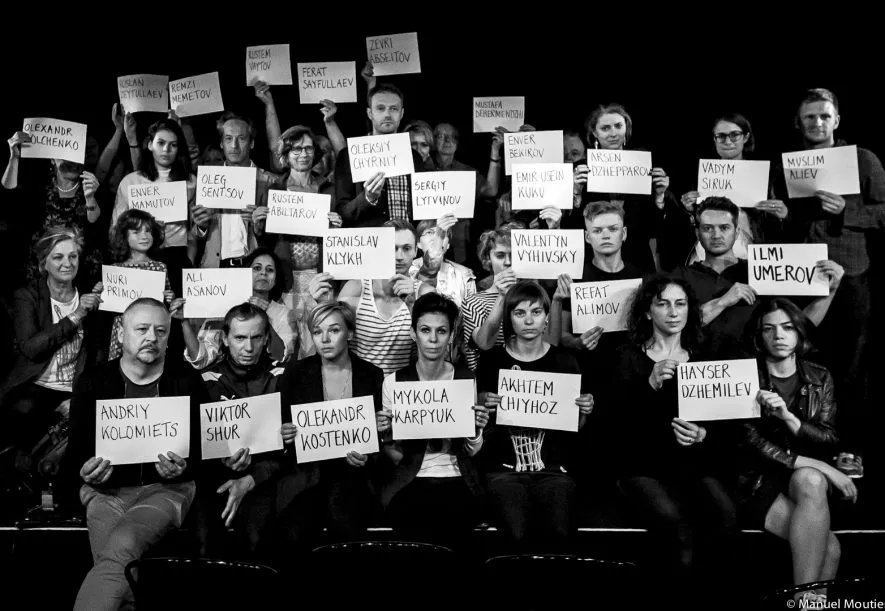
The situation facing the company was severe. Director Natalya Jolyada was arrested during the protests and forced to go underground, while the company’s manager was imprisoned. In response, TEH mobilised its network and raised 19,041.03 SEK in solidarity funds.
As communication with the theatre became increasingly difficult due to security risks, TEH adapted the use of the funds to ensure continued support. The resources were redirected to finance the participation of Belarusian cultural operators and artists connected to the freedom movement in TEH activities throughout 2011 and 2012, enabling them to remain visible, connected, and professionally active despite repression at home.
Beyond financial support, TEH took on an advocacy and awareness-raising role. A public statement of support was disseminated through the network’s newsletter, accompanied by concrete suggestions on how members could assist Belarusian artists. These included offering artist residencies, employment opportunities for cultural professionals, administrative assistance with partnerships and funding applications, and technical support related to information security.
The East Hub further contributed to this effort by organising the workshop “Belarus situation: Cultural sector in threat” during TEH Camp Meeting 92, creating space for collective reflection and knowledge exchange on cultural resistance under authoritarian pressure.
Southwest Asia (Palestine, Israel, Lebanon): advocacy, care and long-term commitment
In response to ongoing and escalating violence in Palestine, Israel and Lebanon, TEH’s Mediterranean Hub has focused its solidarity work on advocacy, resource dissemination and sustained engagement rather than one-off interventions. As hostilities intensified, the Hub issued a public statement calling for conflict resolution grounded in the full acknowledgement of the other — through dialogue, truth, repair and reconciliation. This position reflected TEH’s broader commitment to cultural work as a space for care, accountability and shared humanity, even in contexts marked by deep asymmetries of power and violence.
Alongside advocacy, the Mediterranean Hub launched support initiatives aimed at raising awareness of existing solidarity funds for Lebanon and Palestine. This included coordinated communication efforts across social media channels and the establishment of dedicated communication lines to remain responsive to needs on the ground as they evolved.
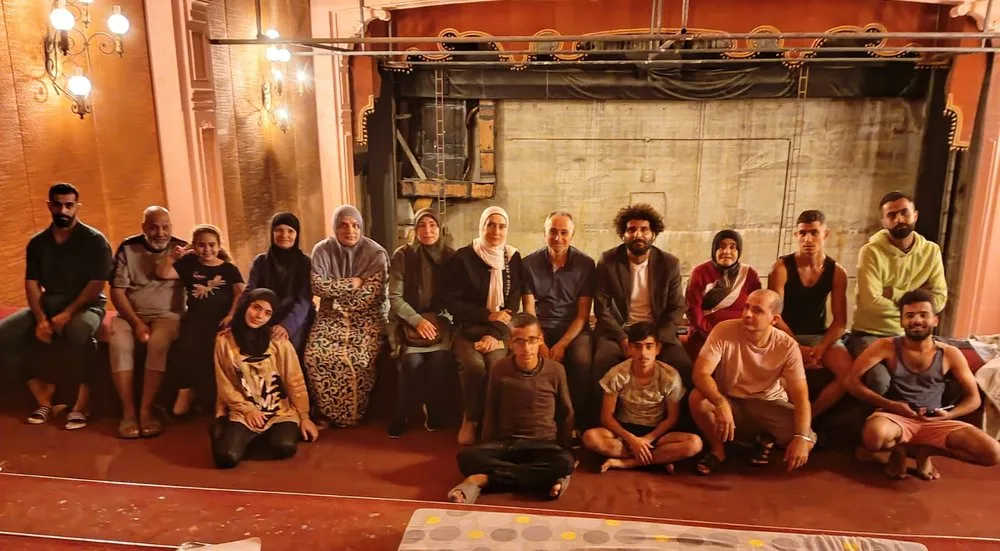
Following the aggravation of the Israeli–Palestinian conflict in 2024, TEH reactivated its Solidarity Fund to support the humanitarian and cultural work of Tiro Arts, an associate member based in Lebanon. As families fled Israeli attacks in the south of the country, Tiro Arts transformed its cultural spaces in Tripoli, Tyre and Beirut into emergency shelters. Through this mobilisation, €1,155 was raised.
The solidarity action remains ongoing. In parallel to emergency support, funds are being mobilised to assist Tiro Arts in renovating Cinéma Le Colisée, a cinema closed for over 25 years. Once reopened, the space will serve as an accessible cultural venue for decentralised and non-mainstream audiences, reaffirming the role of culture in long-term recovery and social cohesion.