Heritage is never neutral. The buildings, sites, and stories we choose to preserve, reuse, or forget carry the weight of contested pasts: colonialism, conflict, displacement, and division. HeritageCIRCLE (Collaborative Innovation for Responsible, Critical and Localised Engagement with Europe's Dissonant Heritage) is a Horizon Europe project that takes this dissonance seriously, not as a problem to hide, but as ground for honest civic dialogue about what societies value, and why. The project brings together 13 partners from 10 countries to build a Community of Practice with unprecedented reach across heritage policy, management, and research, as well as a wider Community of Interest. Its work will launch SPHERE (Space for Productive Heritage Engagement), an open digital hub hosting HeritageCIRCLE's tools, methods, and recommendations alongside documentaries, podcasts, and stories from the pilots, and conclude with a SRIA (Strategic Research and Innovation Agenda): a roadmap setting out future directions for heritage work across Europe, grounded in democracy, social justice, and peaceful coexistence.
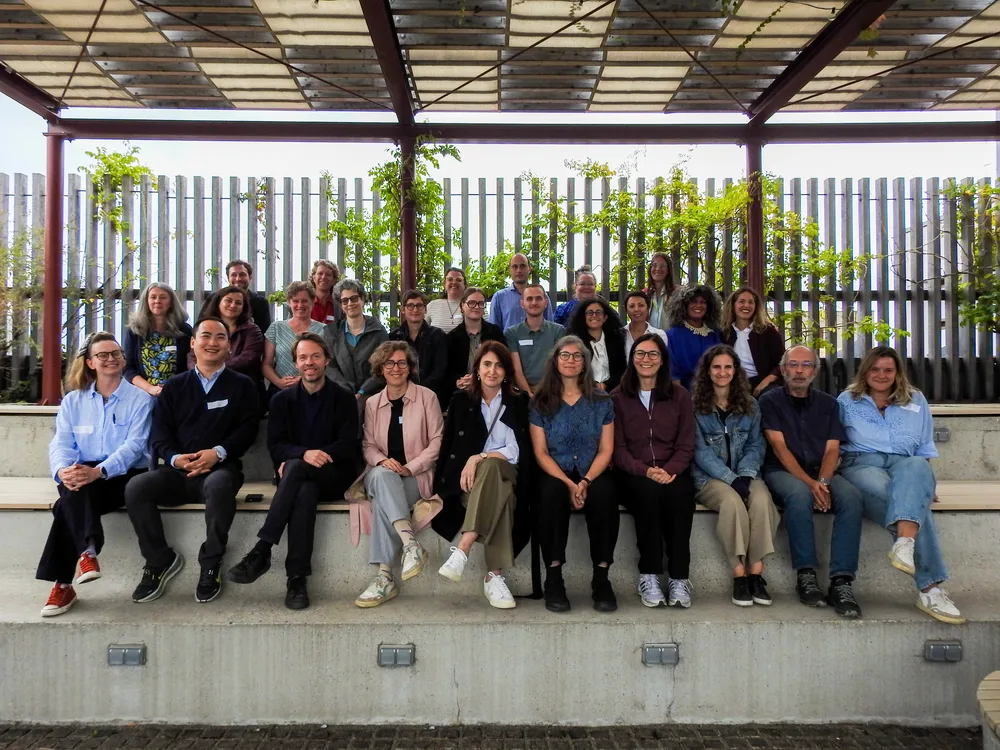
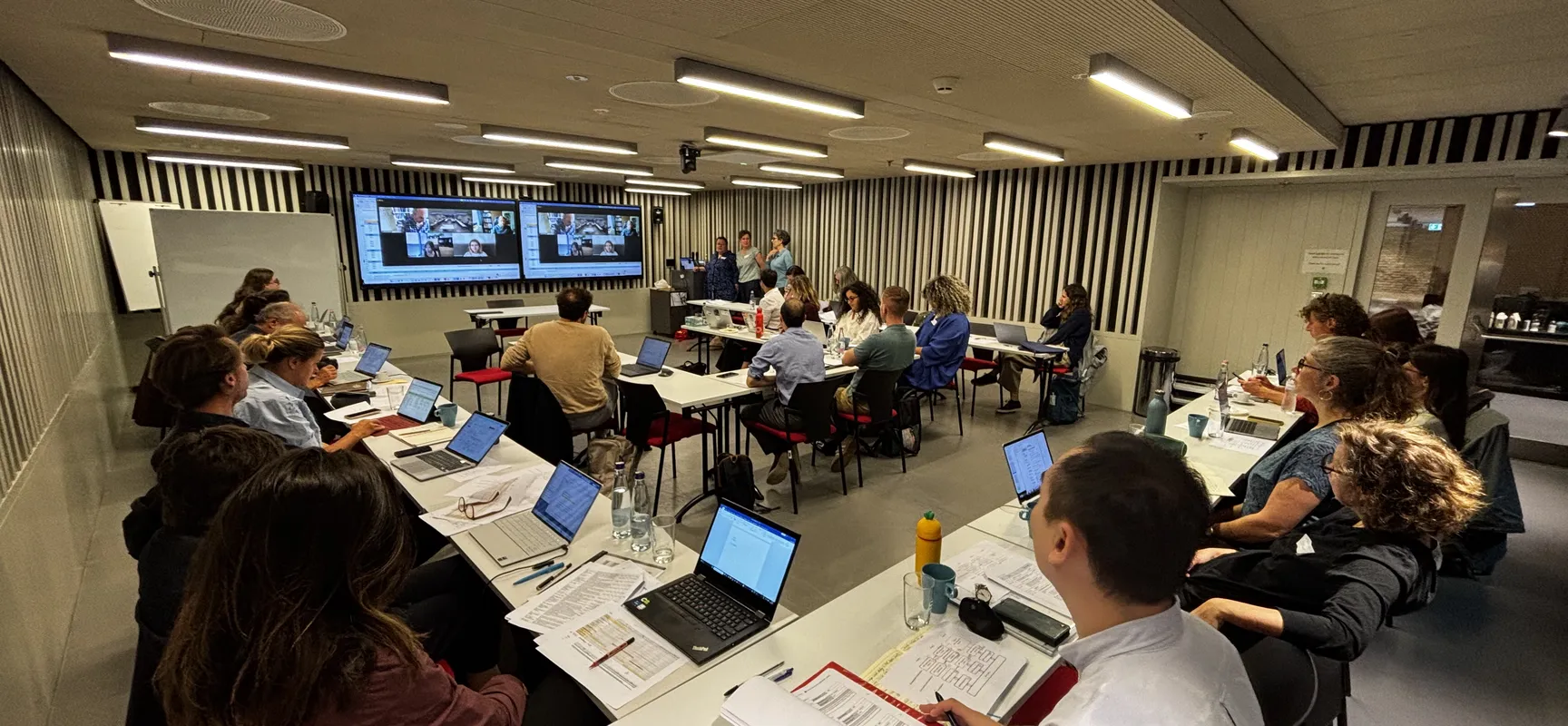
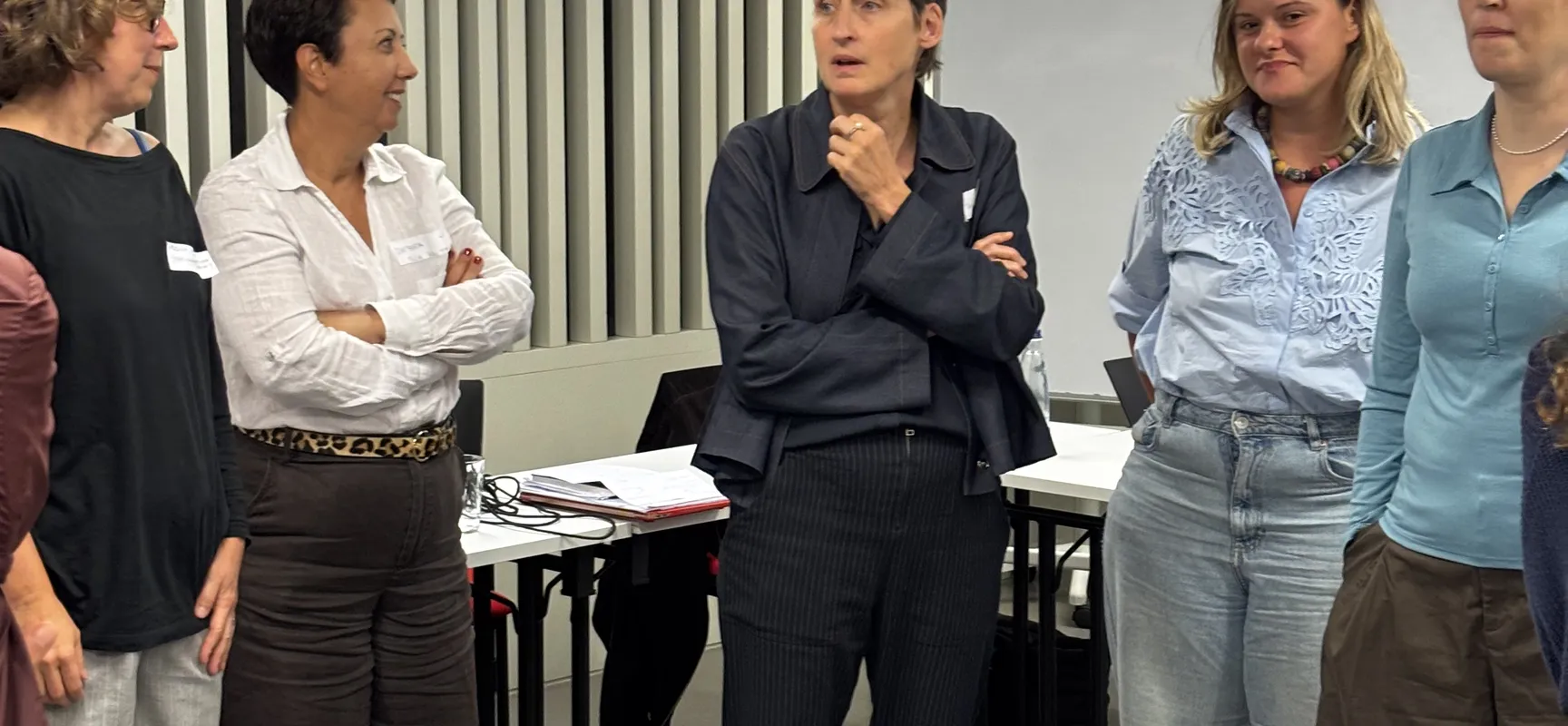
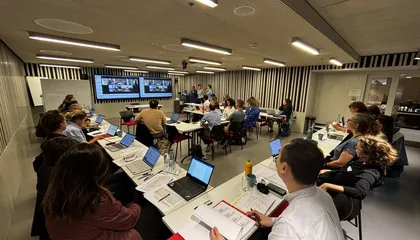
In February 2026, the consortium learned that HeritageCIRCLE had been granted funding after a fiercely competitive selection process, securing its place among the Horizon Europe projects shaping Europe's cultural heritage agenda. Seven months on, from 13 to 15 September 2026, the partners gathered at the CEU Campus in Budapest to mark the project's official start with its kick-off meeting, the first time the core consortium had come together in person. It was here that the foundations were laid for the two communities HeritageCIRCLE will build over its lifetime. The Community of Practice will bring together practitioners, researchers, and civic actors who work directly with dissonant heritage, testing tools and co-creating the project's recommendations. Alongside it, the wider Community of Interest will connect local authorities, educators, journalists, tourism operators, and heritage professionals who want to follow the project's work, use its resources, and, if they choose, step into the Community of Practice at any point.
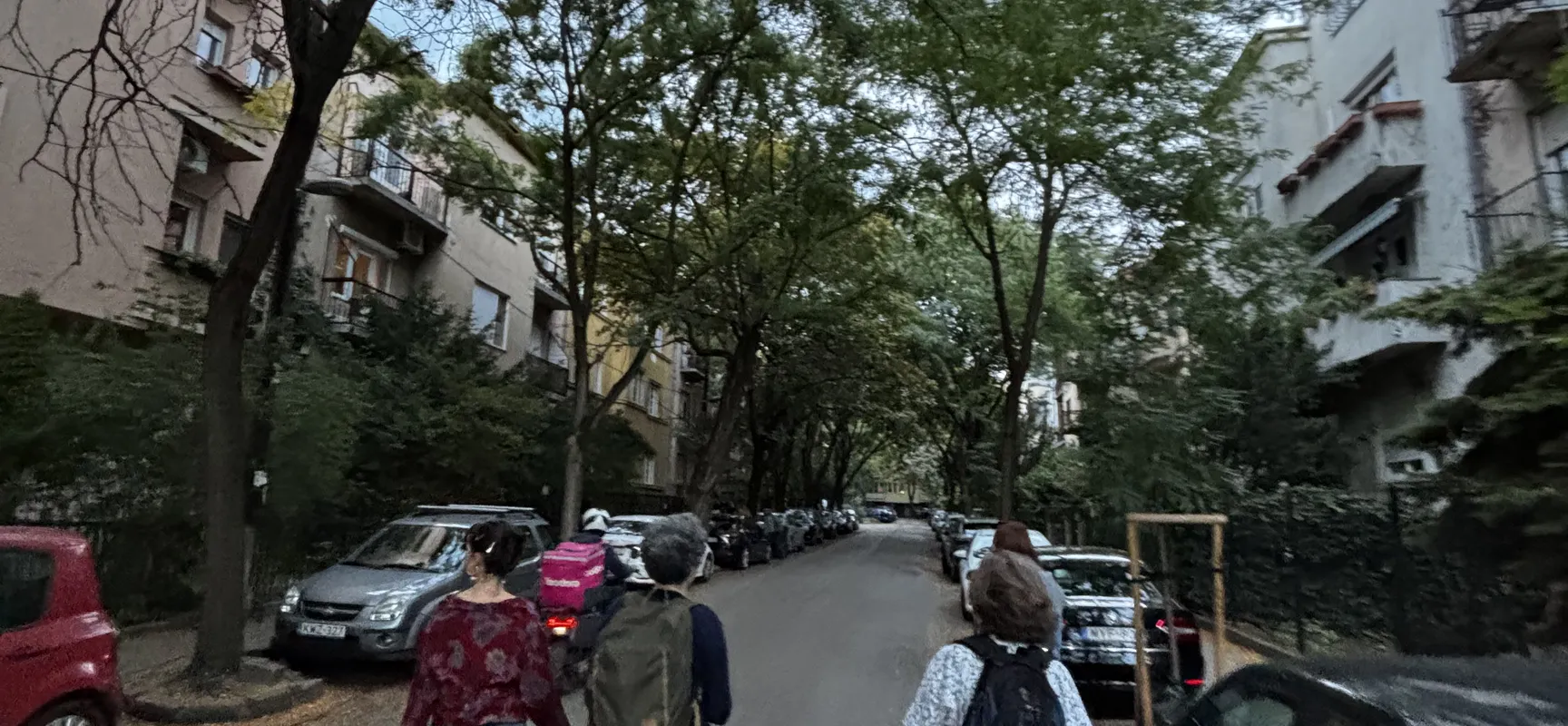
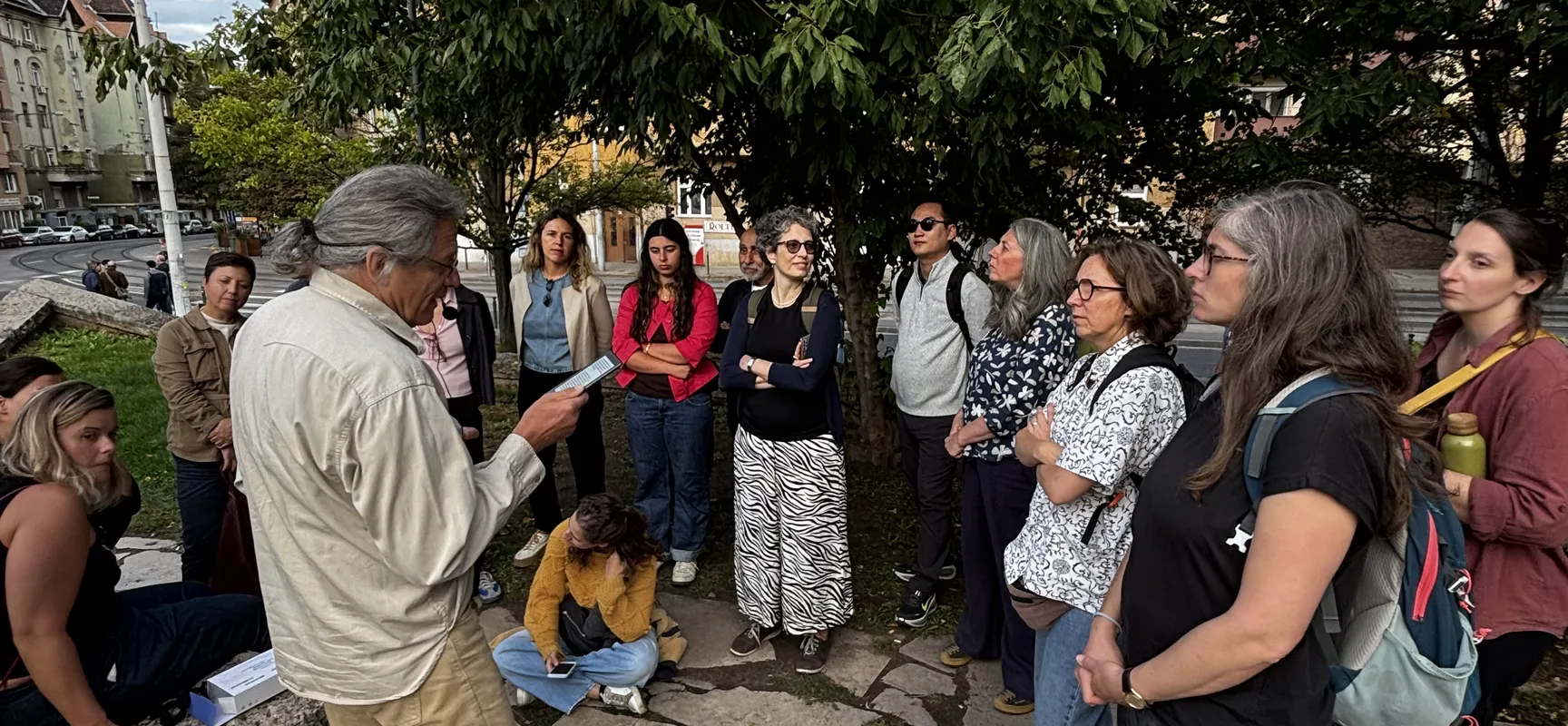
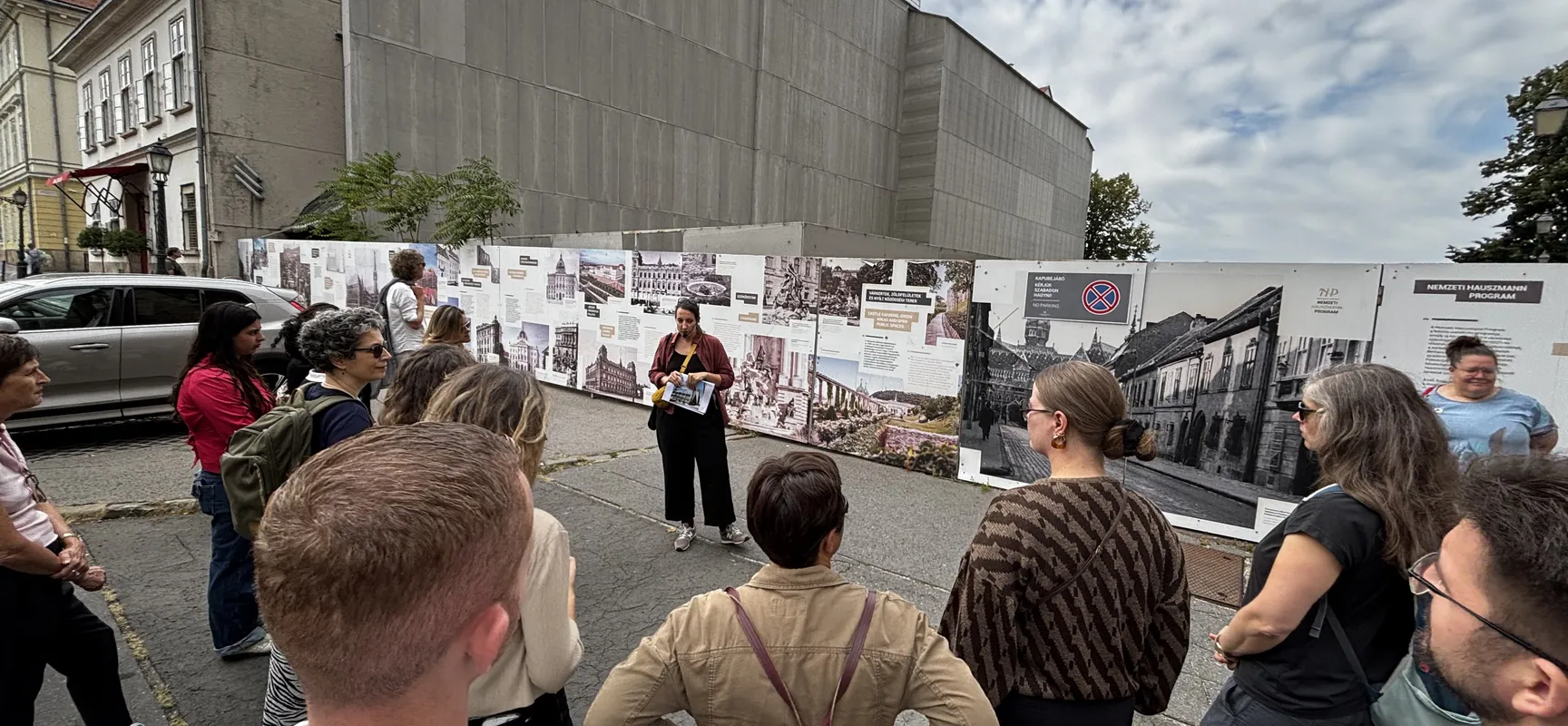
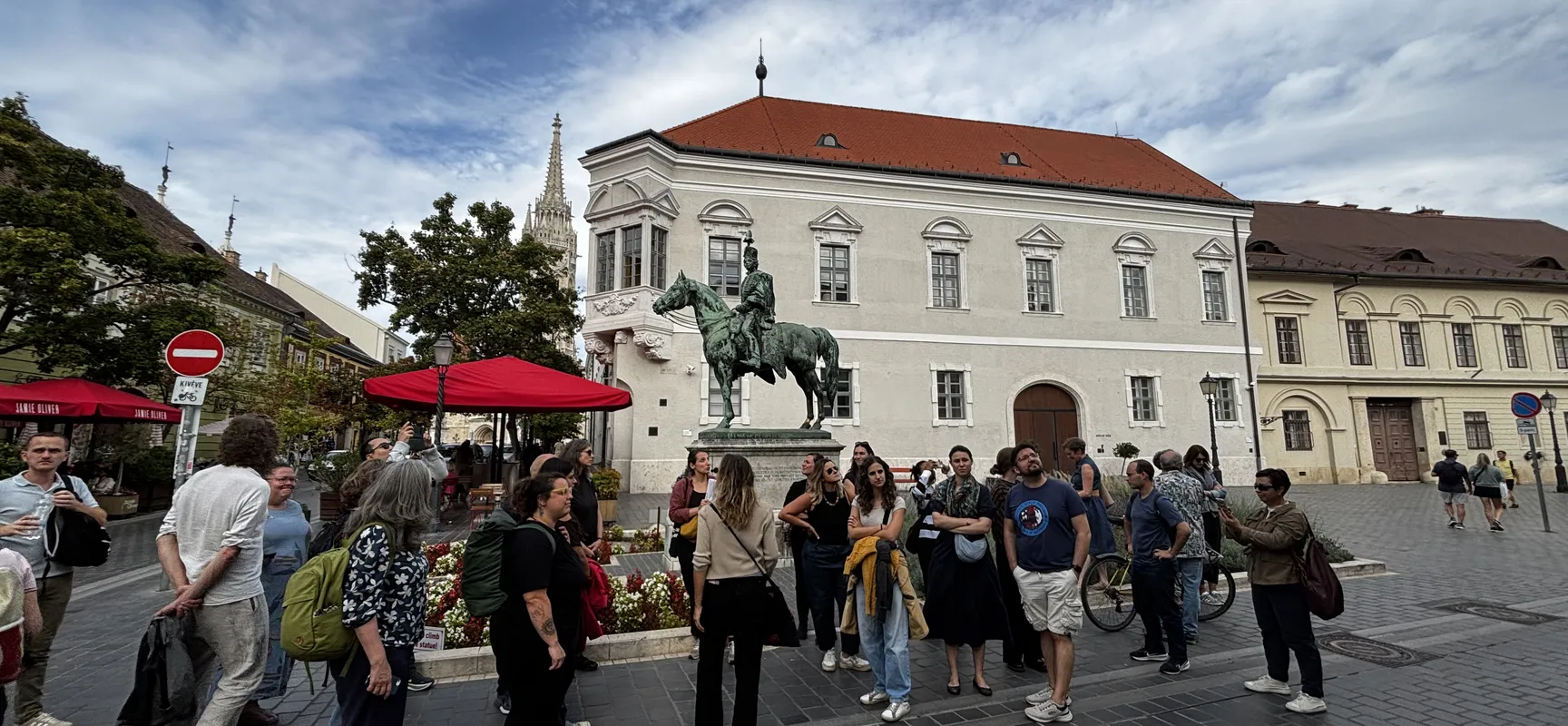
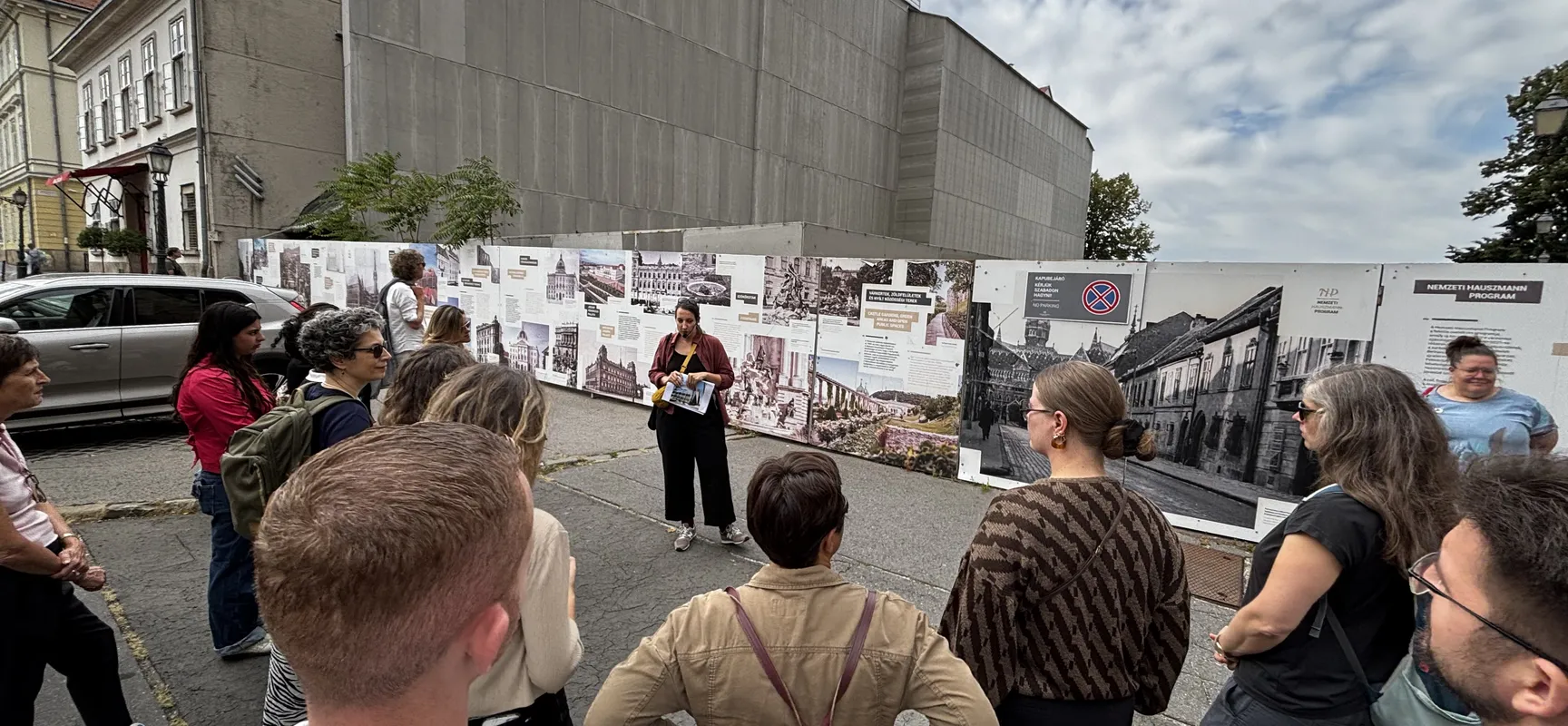
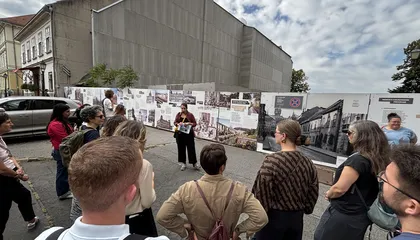
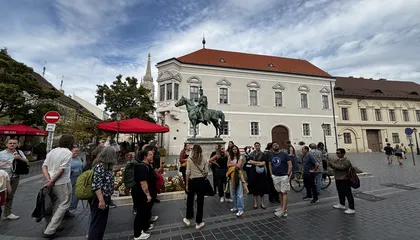
The programme in Budapest opened with a guided walk through the Buda Castle District and a discussion at the Turul Monument, exploring the area's own heritage dissonance first-hand.
Over the following two days, the consortium, made up of:
- the Metropolitan Research Institute/MRI (Hungary)
- KEA European Affairs (Belgium)
- Trans Europe Halles (Sweden)
- Fondazzjoni Wirt Artna (Malta)
- ICLEI European Secretariat (Germany)
- the Superintendence of Cultural Heritage (Malta)
- Technische Universität Wien (Austria)
- Ro3kvit Urban Coalition for Ukraine (Ukraine)
- the University of Newcastle Upon Tyne (United Kingdom)
- Zentralwerk e.V. (Germany)
- Internationales Kulturcentrum UFA-Fabrik (Germany)
- Eutropian (Italy)
- and Zalet (Serbia)
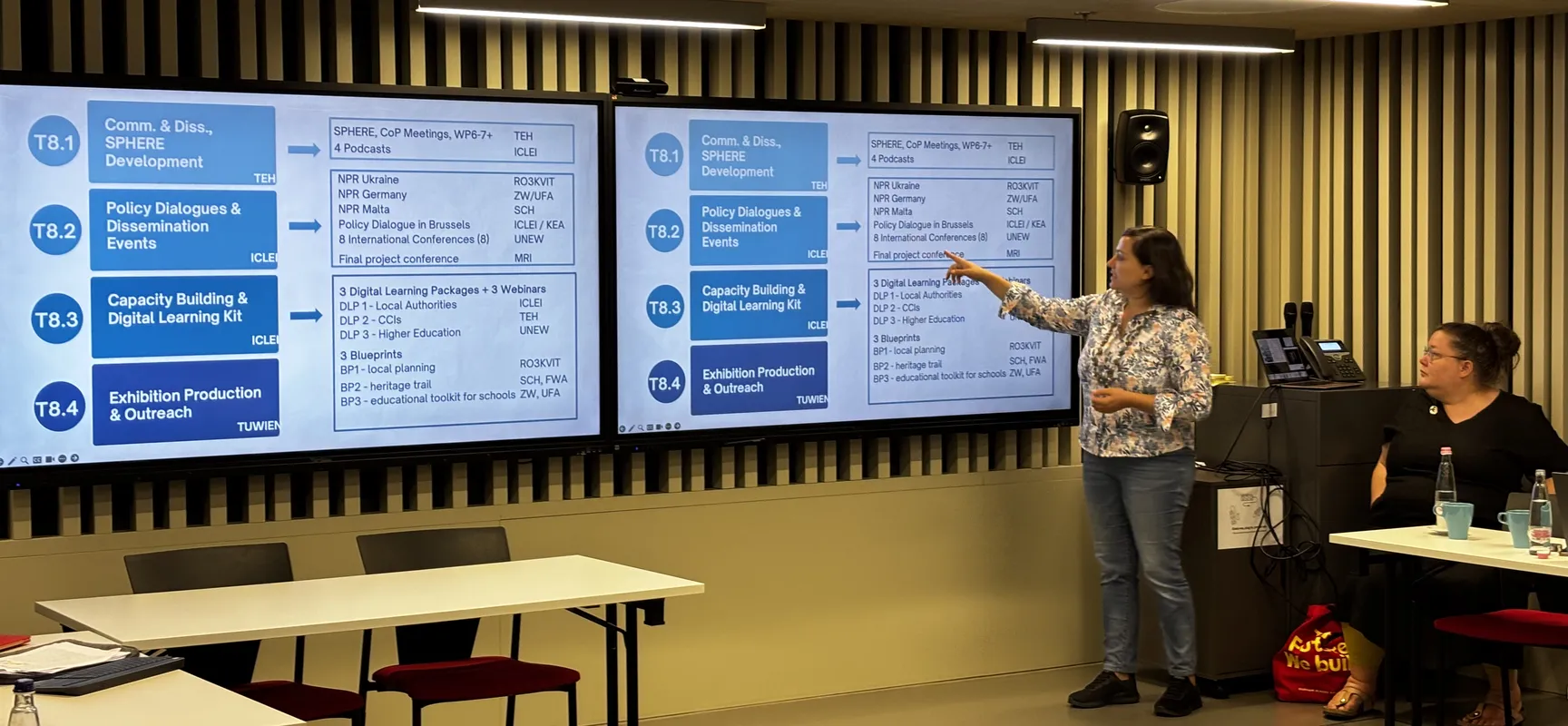
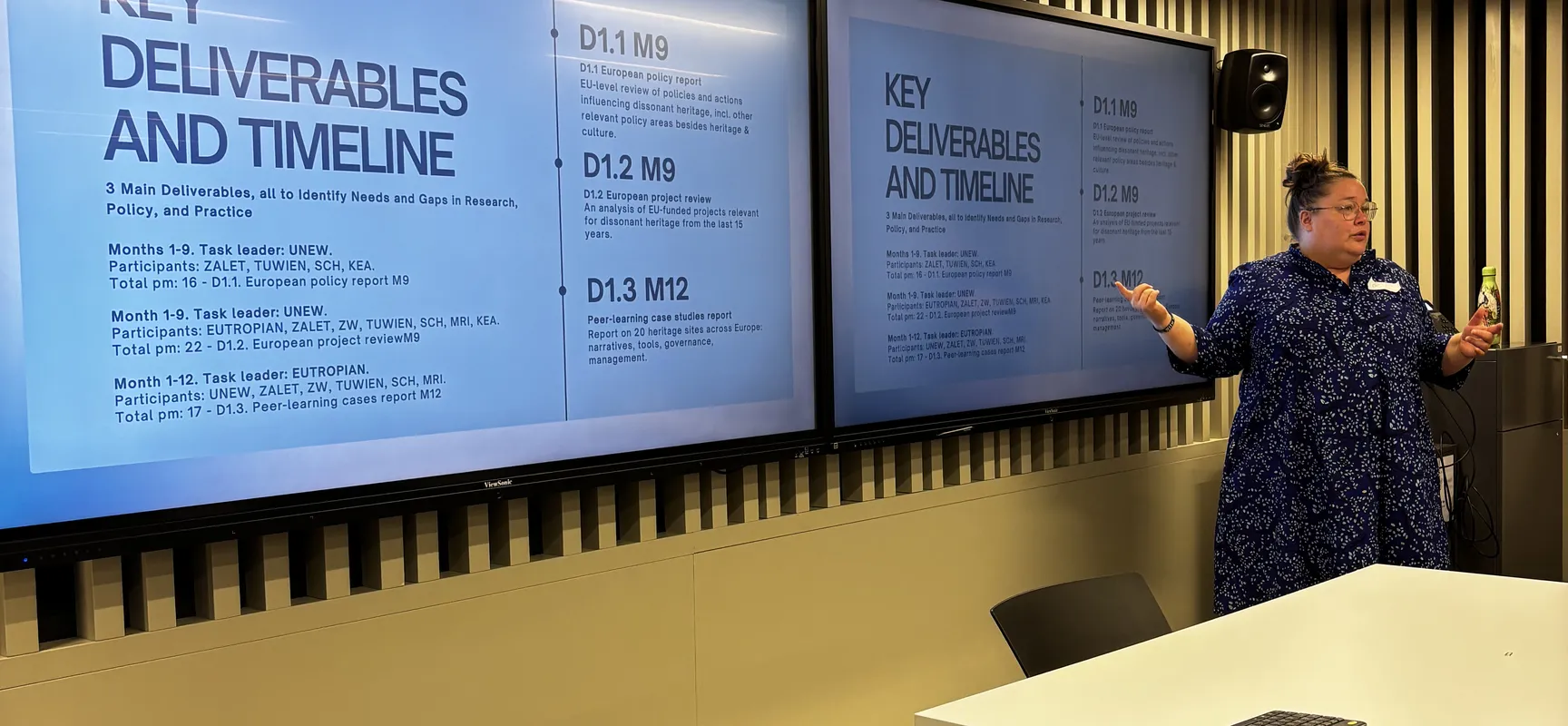
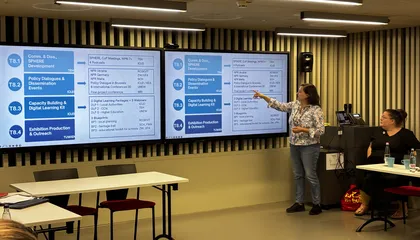
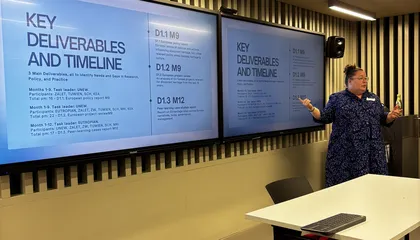
introduced themselves and the project's objectives, then worked through each Work Package in turn: from exploring case studies, to building the Community of Practice, translating research into practice, and running pilot activities in Malta, Germany, and Ukraine.
@Trans Europe Halles, Olga Zaporozhets
@Trans Europe Halles, Olga Zaporozhets
@Trans Europe Halles, Olga Zaporozhets
@Trans Europe Halles, Olga Zaporozhets
@Trans Europe Halles, Olga Zaporozhets
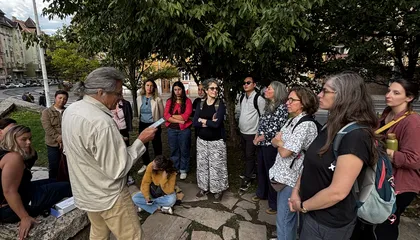
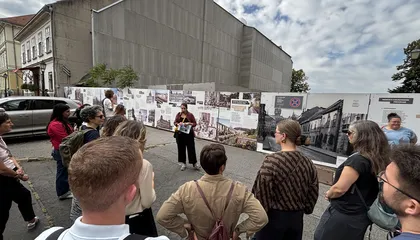
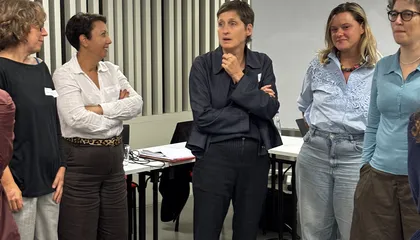
One of the highlights of the meeting was the Careful Dialogues training, introduced by Joanne Sayner and facilitated by Linda Norris and Braden Paynter, an interactive session grounding the consortium in the reflexive approach to difficult heritage that underpins the whole project.
The final day focused on first-year priorities for the early Work Packages, communication and dissemination planning, administrative and reporting procedures, and a dedicated session with the European Commission's Project Officer, Dr Rodrigo Martín Galán.
The kick-off in Budapest marked the formal start of a 42-month journey of the HeritageCIRCLE project, funded by the European Union under grant agreement No 101288484.
@Trans Europe Halles, Olga Zaporozhets
@Trans Europe Halles, Olga Zaporozhets
@Trans Europe Halles, Olga Zaporozhets
@Trans Europe Halles, Olga Zaporozhets
Follow along
For more photos from the kick-off meeting, browse the photos from the kick-off in Budapest.
For more details on the project, browse the HeritageCIRCLE page on CORDIS, the European Commission's public record for the project, where you can explore the full consortium, the objectives, the funding details, and, as the project progresses, its results and outputs.
To stay updated on the project's news and progress, follow HeritageCIRCLE's newly created LinkedIn page.