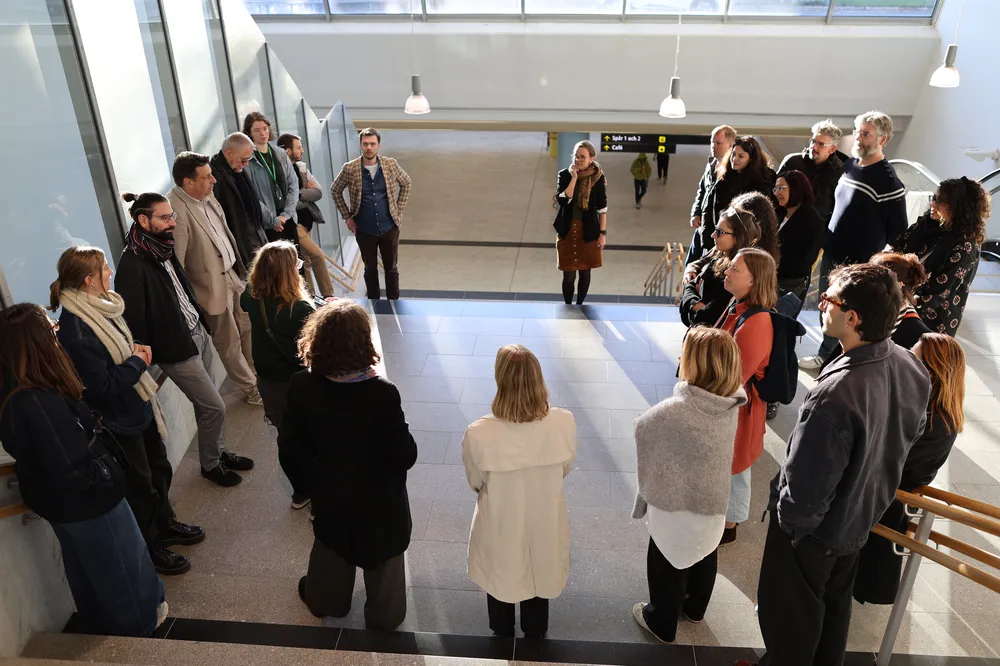
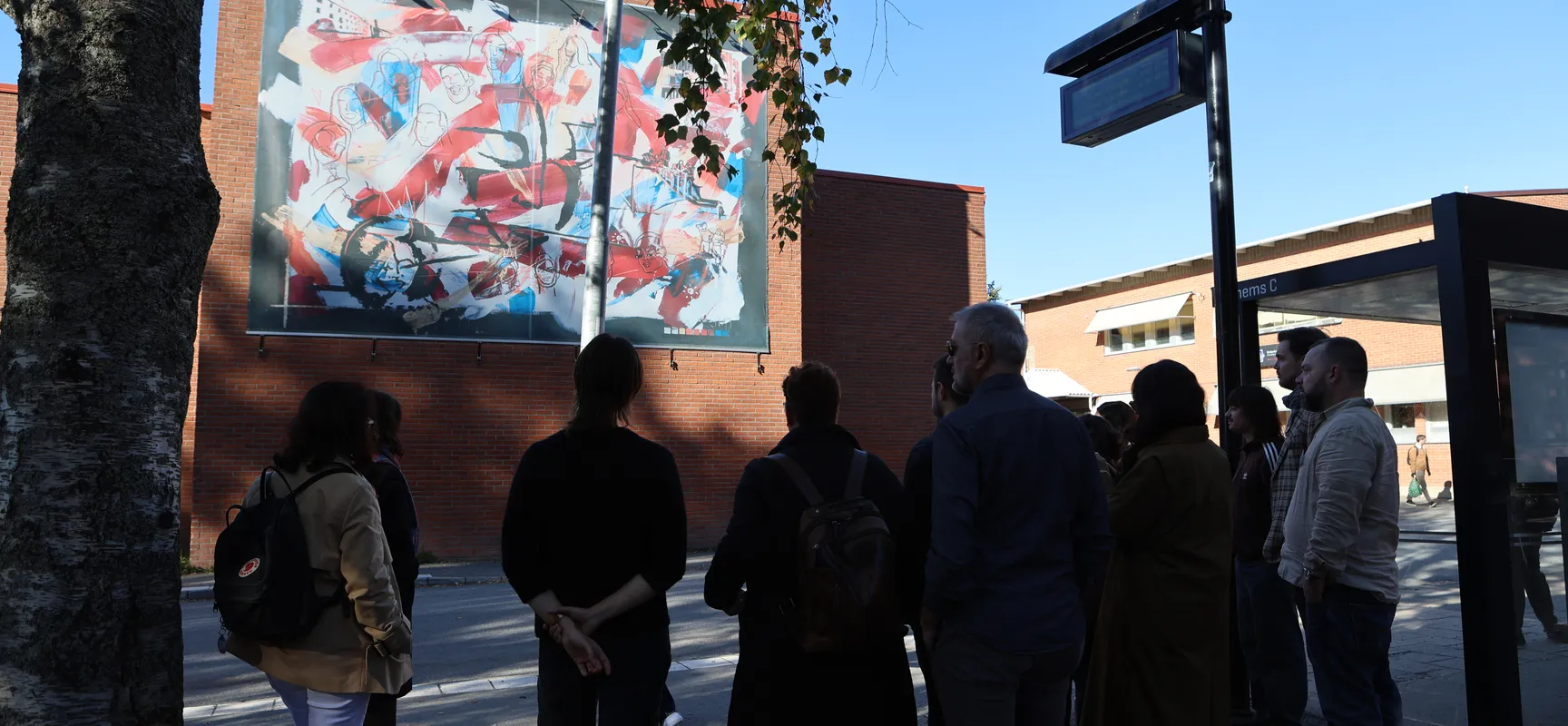
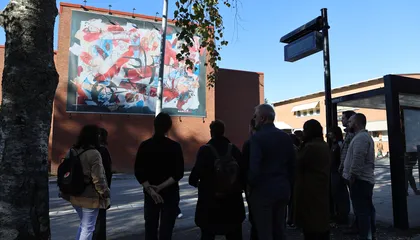
In late September, a group of researchers, city officials, and cultural workers from across Europe set off on foot through Ålidhem, a diverse district in Umeå, northern Sweden. The route took in mural and façade art, family and health initiatives, community activities, public spaces, and the local school and library. It was the first stop of CareFabric’s kick-off meeting, held from 21 to 23 September 2026, and a fitting one: the project is about what happens in neighbourhoods like this one.
Ålidhem is one of four pilot neighbourhoods in CareFabric (Cross-disciplinary Approach to Research European Neighbourhoods – Facilitating the Acceleration of NEB Principles for Resilience in Cities), a new Horizon Europe project funded through the first New European Bauhaus (NEB) Facility. Over the next three and a half years, 17 partners from six countries will work with residents in Umeå, Bologna, Limassol, and Grenoble on one question: how can cultural participation change the way people care for their cities, their neighbourhoods, and one another?
Across Europe, many neighbourhoods are dealing with loneliness, low trust and fading civic engagement, just as the green transition asks people to change how they live. CareFabric starts from the idea that these challenges are connected. Its guiding concept, CARE-IS-MORE, treats care as something people do together: looking after shared spaces, building trust, and having a say in how their neighbourhood changes. Culture sits at the centre of this work, in line with the NEB principles of sustainability, inclusion and beauty.
In each pilot city, the municipality, research partners, and a local cultural or civic organisation will work as one team, testing new ways of involving residents and measuring what changes. The aim is a model other cities can adapt, with results that could be used across Europe’s roughly 200,000 neighbourhoods.
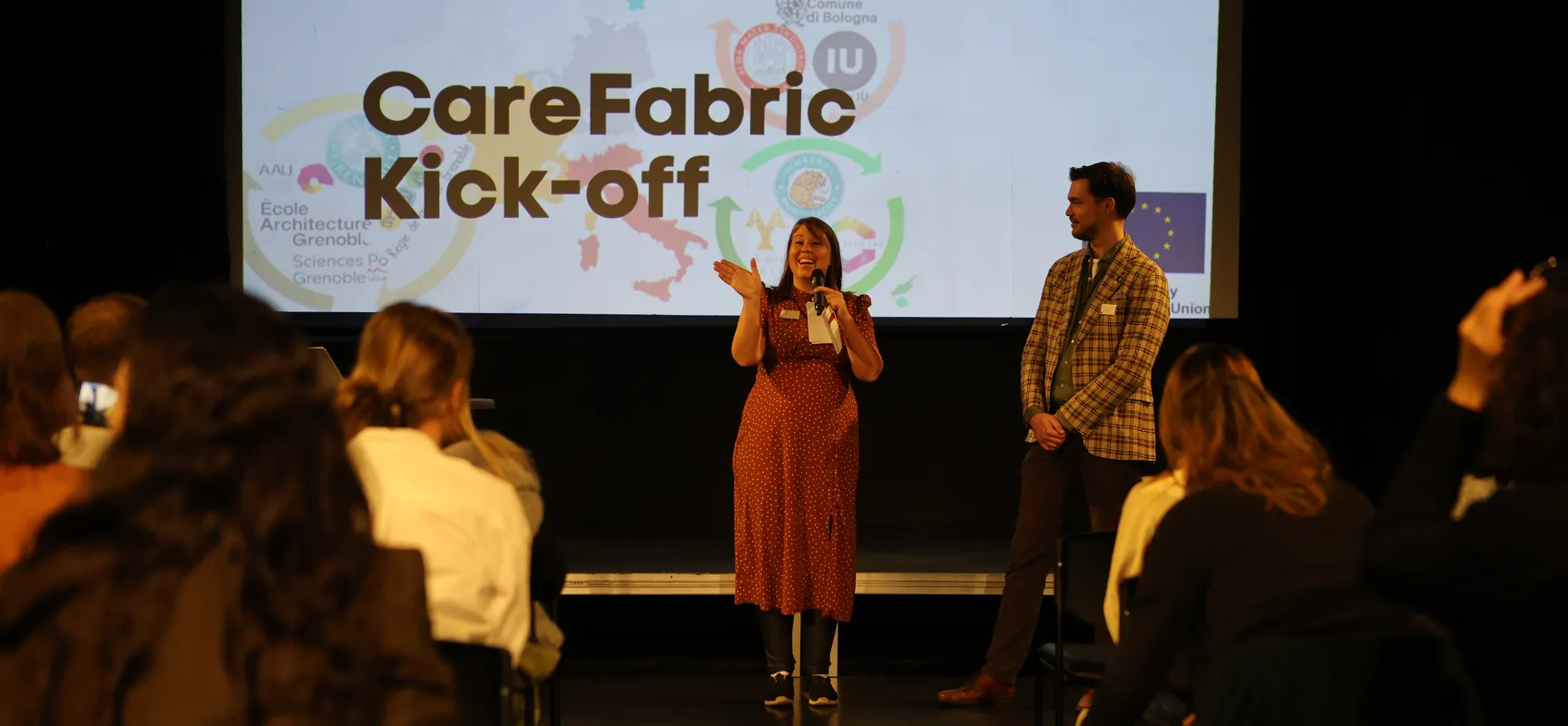
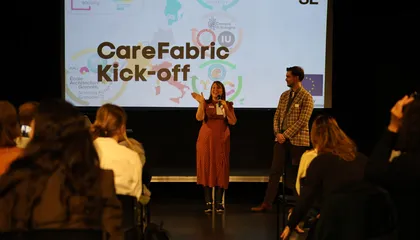
Umeå was the project’s first in-person gathering. Around the table were the four pilot cities and their local partners: the City of Umeå, Umeå University, and Studiefrämjandet; the City of Bologna, the University of Bologna, and Fondazione Innovazione Urbana Rusconi Ghigi; Limassol Municipality, the University of Cyprus, and SocialTech Lab; and the City of Grenoble, the Grenoble School of Architecture (ENSAG), Sciences Po Grenoble, and Régie de Quartier Villeneuve. They were joined by the project coordinator, RISE Research Institutes of Sweden, and three European networks: ICLEI Europe, The Democratic Society, and Trans Europe Halles.
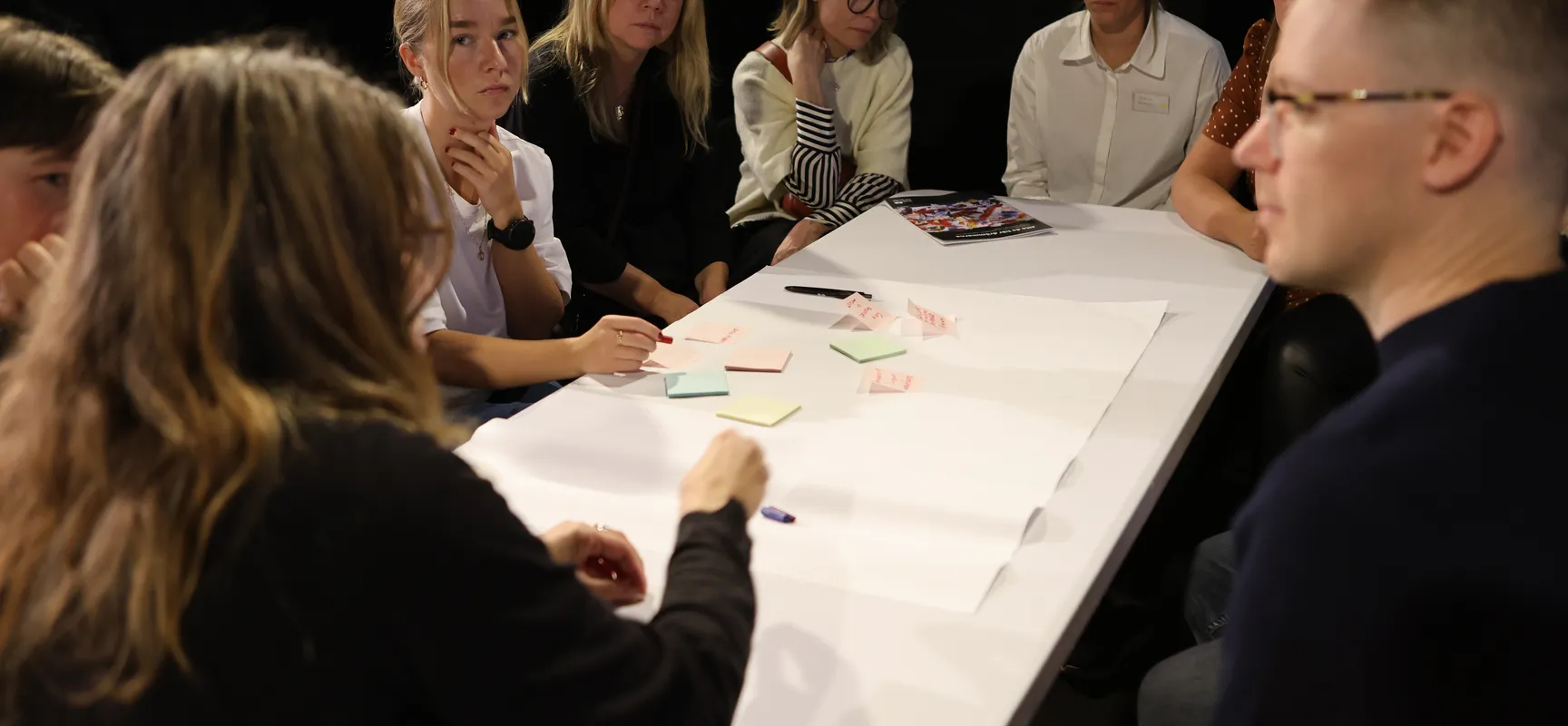
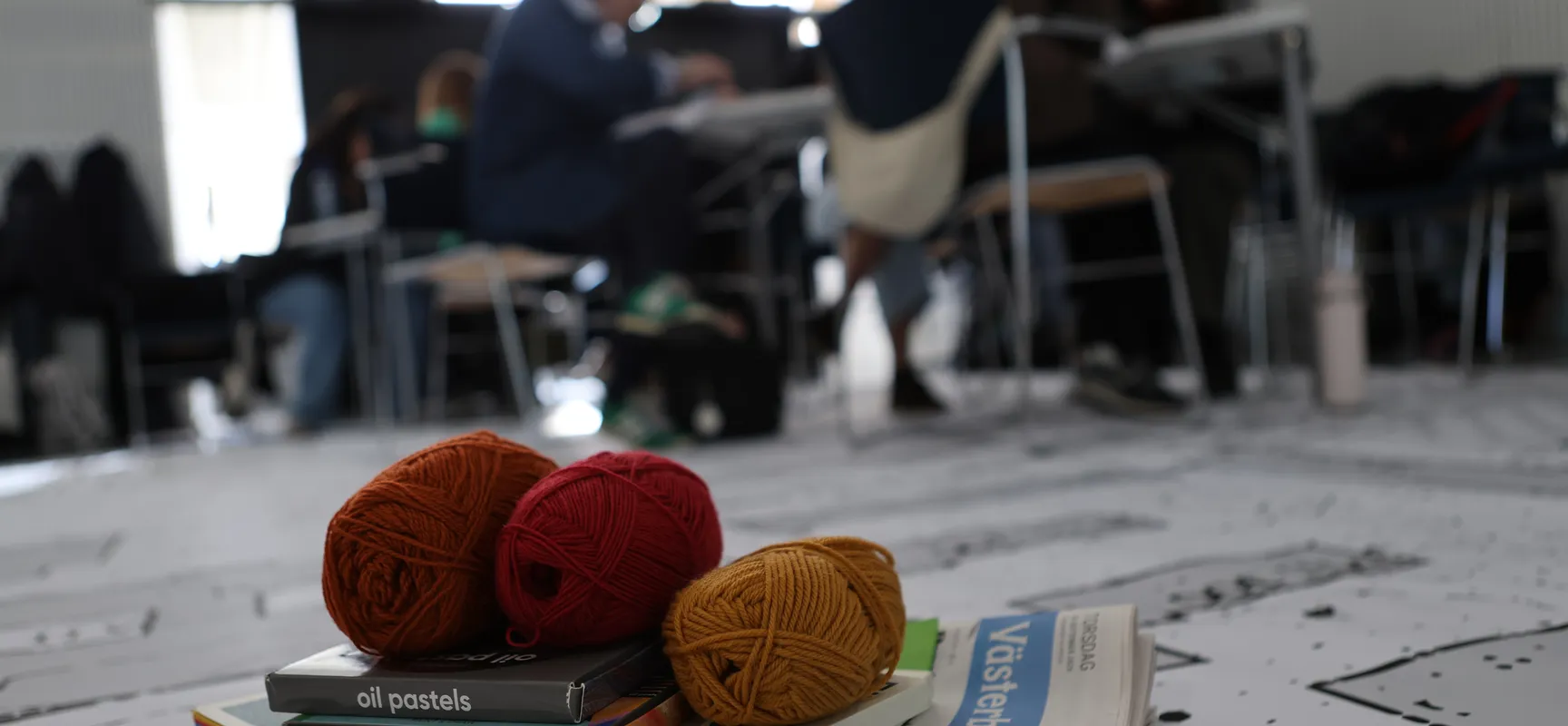
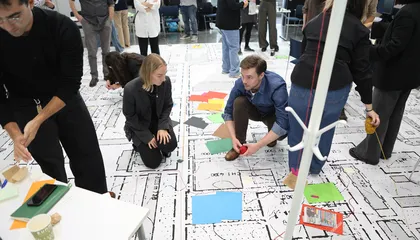
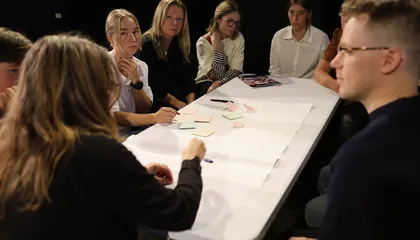
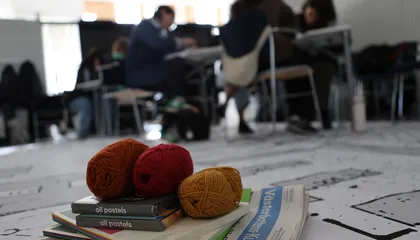
Partners spent much of the meeting working through the project’s Work Packages: how they connect, and how each organisation will contribute as the work moves from research to co-design, pilot actions, and evaluation. The consortium also held its first General Assembly, which set up the project’s governance and included a presentation from the New European Bauhaus Secretariat. Workshops on neighbourhoods and the meaning of care helped build a shared understanding of what the project is working towards.
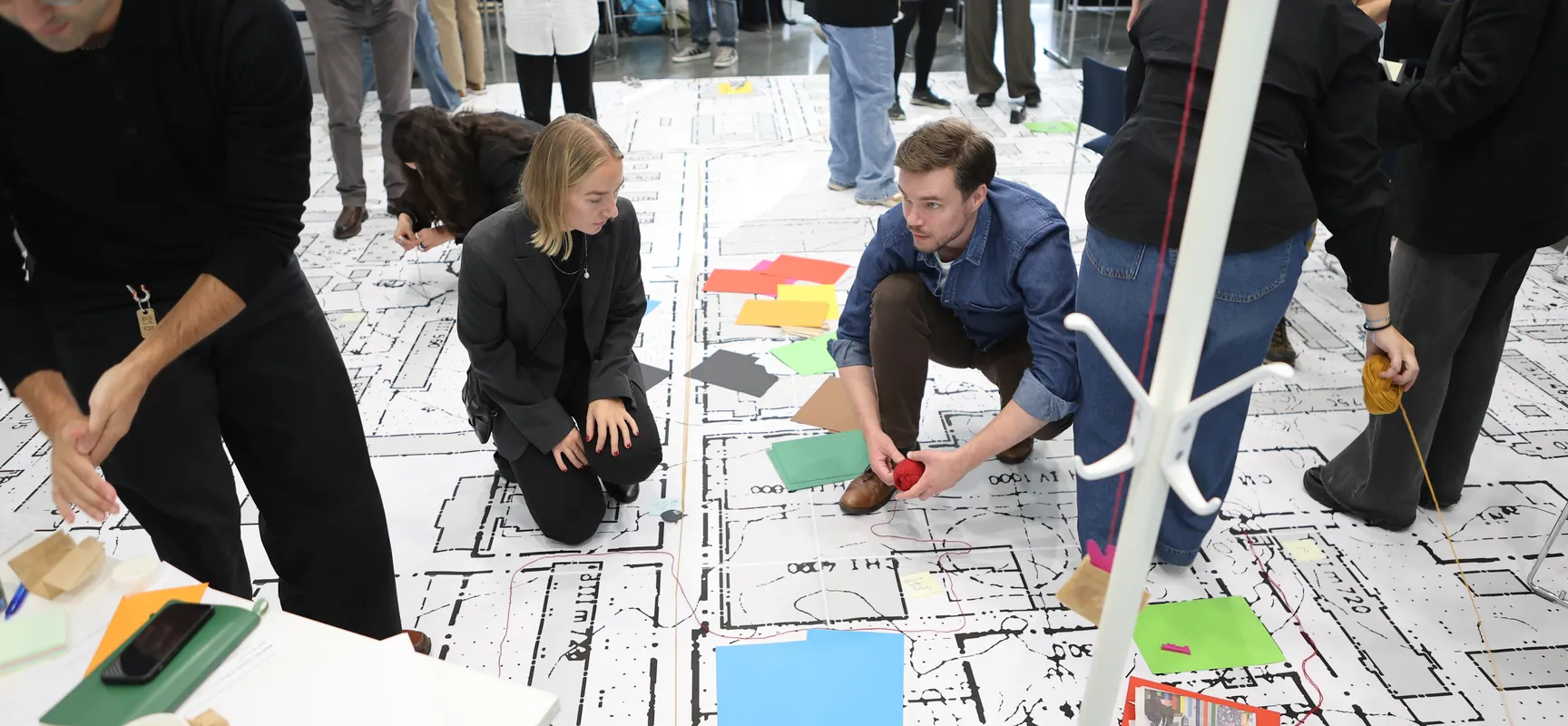
In the coming months, partners will map each pilot neighbourhood and its cultural life, laying the groundwork for local strategies co-designed with residents. Planned results include an open Atlas for Urban and Cultural Knowledge, a Participatory Mapping and Knowledge Co-Creation Toolkit, and policy recommendations to help cities bring culture into their climate and urban planning.
CareFabric runs from September 2026 to February 2030 and is funded by the European Union under grant agreement No 101308908.
Follow along
For more details on the project, visit the CareFabric page on the EU Funding & Tenders Portal, the European Commission’s public record of the project, where its results will be published as the work progresses.