TEH member spotlight: Die Bäckerei Kulturbackstube
As part of Trans Europe Halles’ efforts to strengthen connections across our growing network, we are launching a pilot series of in-depth member interviews called "Spotlight on TEH members". With more than 170 TEH member organisations across very different contexts, we want to create space for storytelling that goes beyond project reporting: stories that help us better understand each other, our places, and the people behind them.
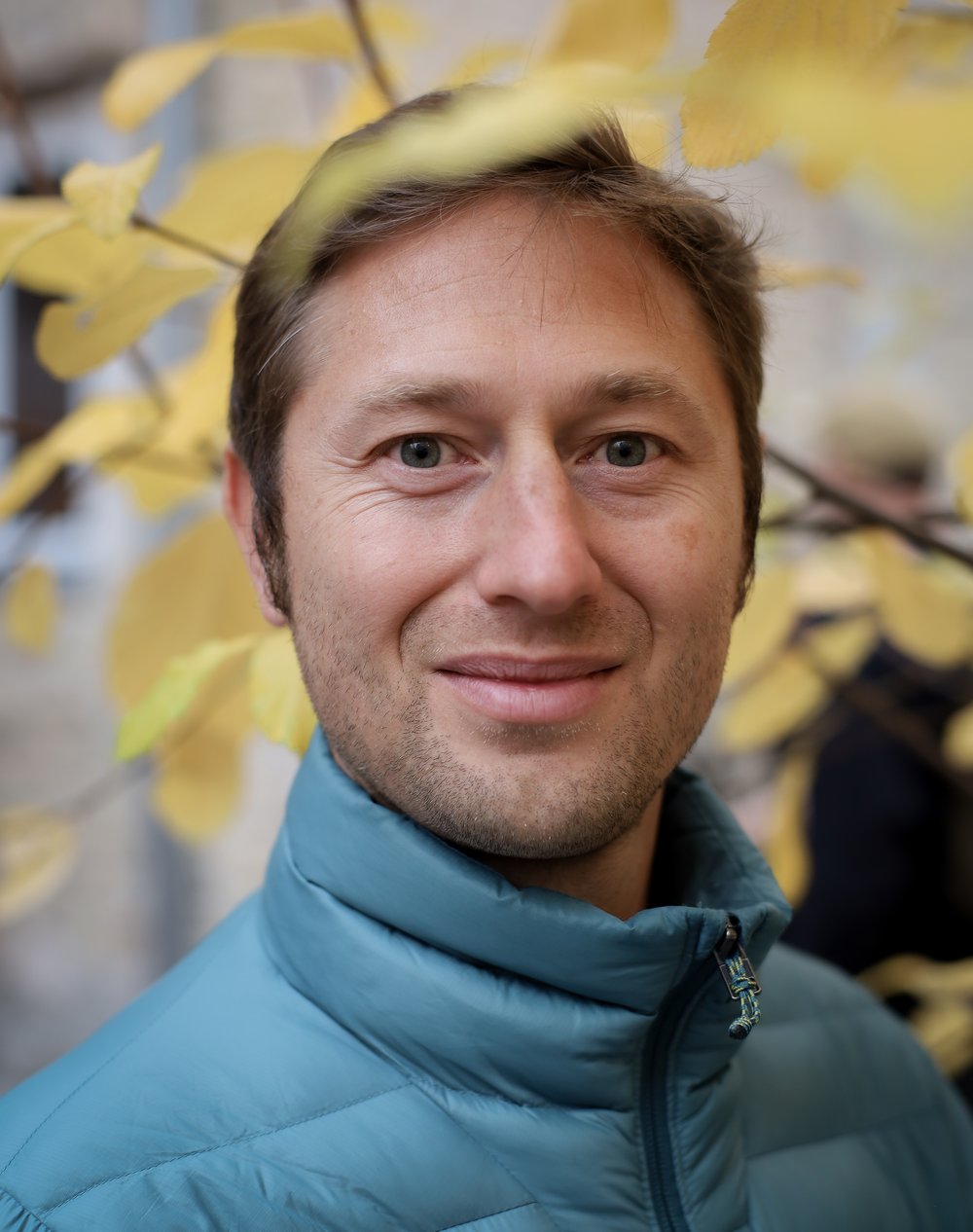
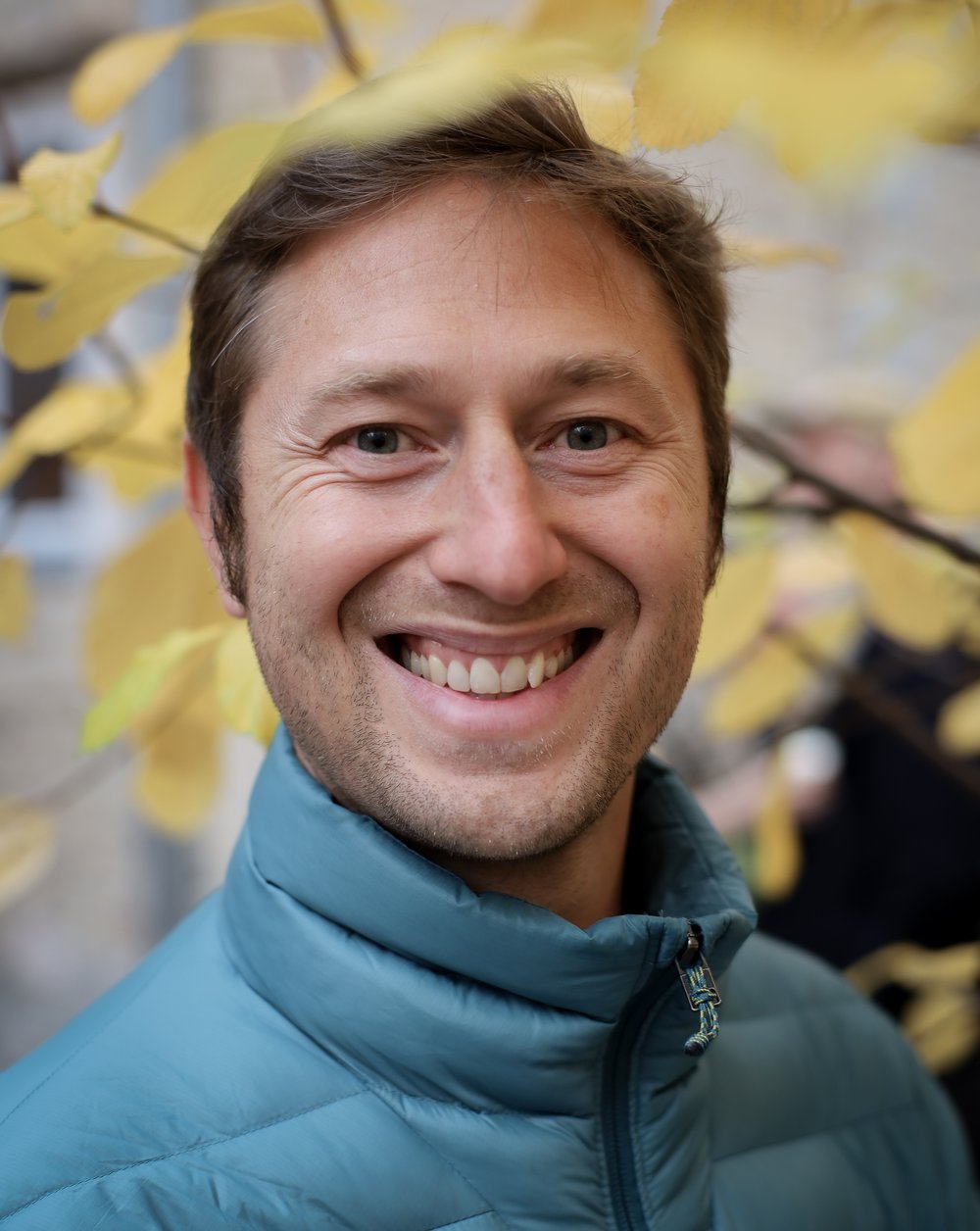
We begin with Die Bäckerei Kulturbackstube - a TEH member from Innsbruck, Austria. The interview is with Shawn Antoni Wright, who is part of Die Bäckerei team and is responsible for "all things strategic and marketing".
Shawn, could you briefly introduce Die Bäckerei - the story, the context, and how it all started?
Like many cultural centres, it started with an opportunity - an abandoned building. Thanks to landlords and local connections, a few young people in Innsbruck back in 2009 were able to say: “let us do something with this space.” They didn’t have a clear plan, just knocked down a few walls and opened it up. People came in and started things, which was incredibly innovative. It was the first of its kind in Innsbruck and grew organically. Of course, there were struggles, but a lot of energy. Die Bäckerei Kulturbackstube was officially opened in 2010.
Over time, the centre formalised with an operational team and a programme, but the DNA of being a heterotopia for society remained. Initially, the programme was curated by the community, and the space was non-consumption: people could come in, make a coffee, or just use it as an extension of their own space. Everyone was learned on the job, so participation in a European network like Trans Europe Halles, for example, was crucial for knowledge exchange, reflection, and community support.
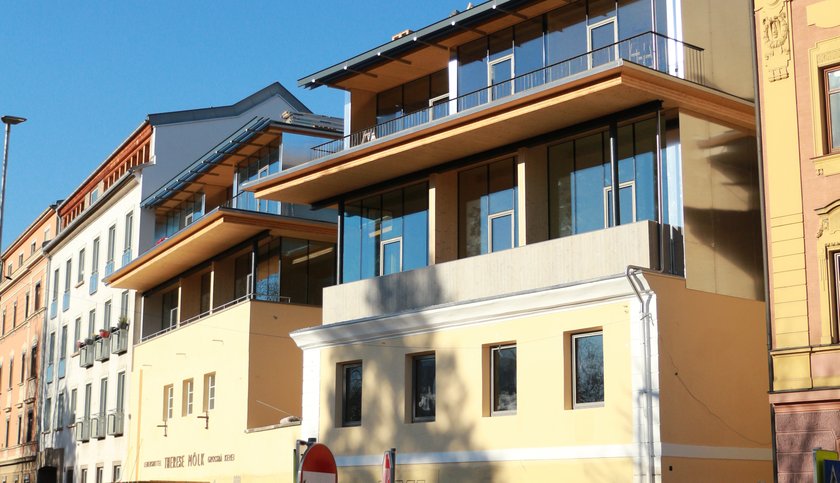
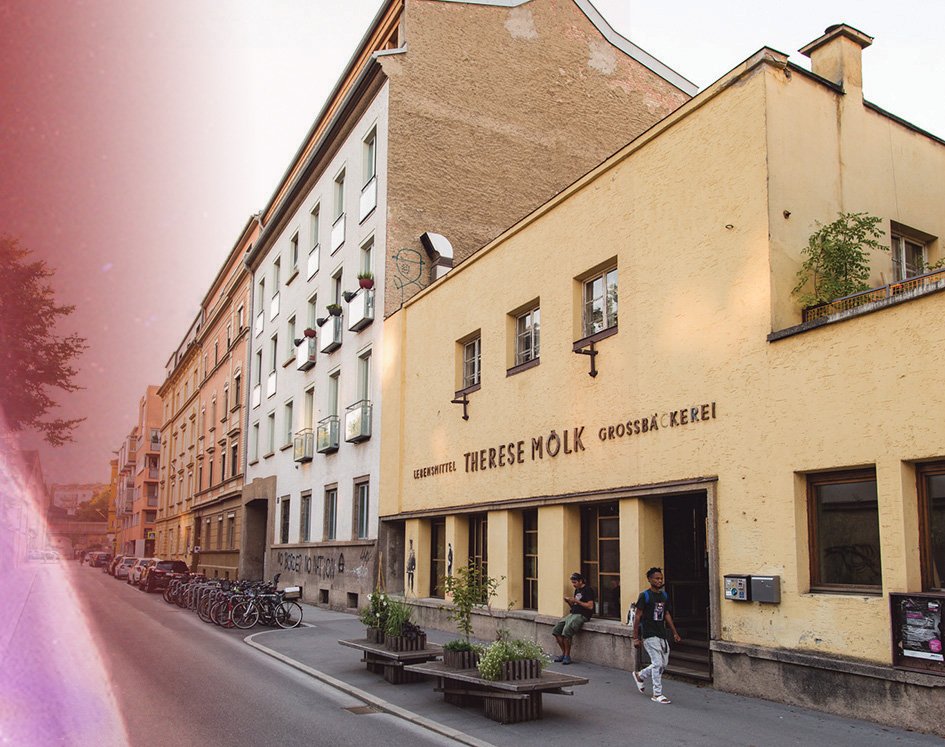
In 1920, Therese Mölk, together with her husband Johann and their ten children, opened her first grocery store in Innsbruck. Five years later in 1925, she acquired the former Imperial and Royal (K&K: Kaiserlich und Königlich, in German) Military Bakery at Dreiheiligenstraße 21a. The building, which is now known as Die Bäckerei Kulturbackstube, served back then as the company headquarters until 1985 and as the Therese Mölk Bakery until 1997. Mölk bread became a branded product.
In the early 1970s, the family developed a new concept, and the Therese Mölk stores became the MPREIS supermarket chain. When the new MPREIS headquarters, including a new bakery, opened in Völs in 1997, the Therese Mölk Bakery building on Dreiheiligenstraße 21a was left empty. Empty, but still there…
In 2009, Christina, Klaus, and Christoph discovered the vacant bakery. As Christina is from the Mölk family, they were given the opportunity to use the old building. With a starting budget of €50,000, they set about making the abandoned building accessible. The limited budget meant that major structural alterations were not possible. They did the only sensible thing and opened the construction site to as many helping hands as possible. In this way, participation, learning by doing, and co-creation became defining values of the bakery very early on. The limited resources also meant that the reuse and recombination of existing building components became a central element of the architectural style - “bricolage” established itself as a method.
When Die Bäckerei Kulturbackstube officially opened in October 2010, it was already well known in Innsbruck, and many people wanted to see the new venue.
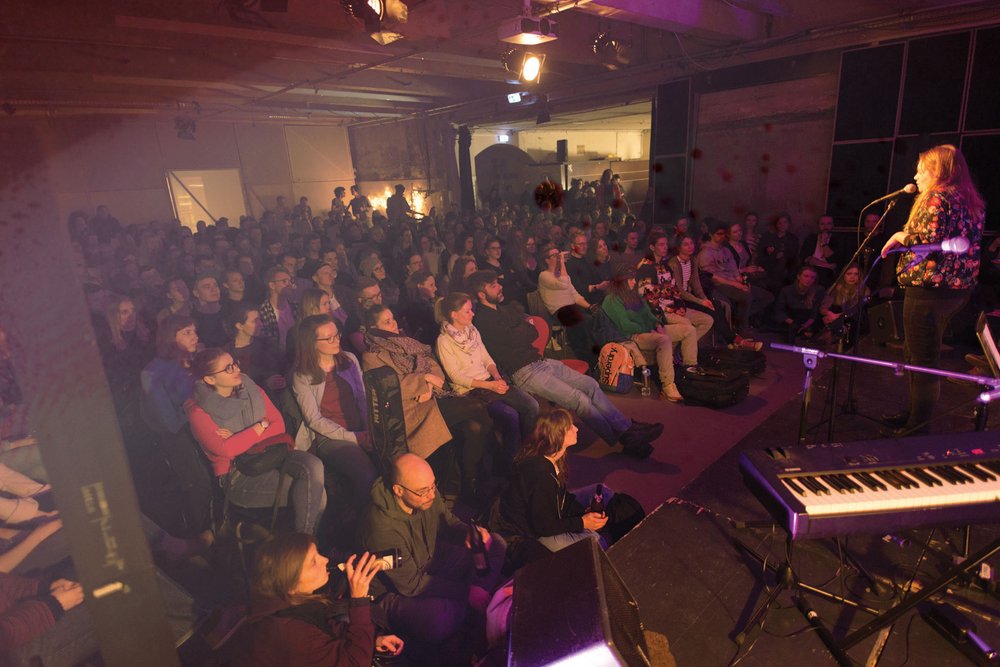
As soon as the new space opened, enquiries poured in. It quickly became clear that an open space for cultural activities had filled a significant gap in Innsbruck. From day one, we have received enquiries for concerts, readings, theatre, workshops, office space, co-working spaces, markets, performances, cafés, game nights, discussions, talks, and more. The demand for space for creative work has steadily increased since the opening.
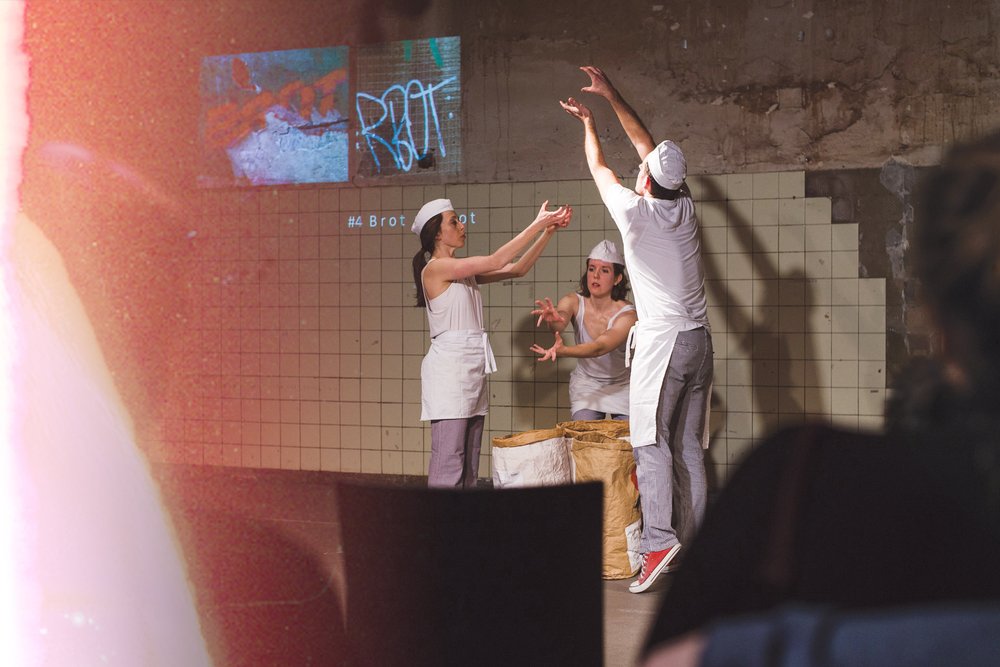
Die Bäckerei Kulturbackstube, literally "The bakery, A cultural baking room", is German, and it combines both literal and metaphorical meanings. Inspired by the traditional bakery that once operated in its building, it’s a space where culture is “crafted” much like bread: collaboratively, creatively, and with care. Here, artistic projects, workshops, performances, and community initiatives are baked into reality.
Die Bäckerei Kulturbackstube joined the Trans Europe Halles network in 2013 - three years after it was officially opened as a cultural centre, so we are being members of TEH for more than 13 years.
The total area is approximately 1,700 sqm. This space is divided into several zones: a large main hall - for e.g. concerts or events, a bar/cafe area, a co-working space, a workshop/atelier area, and offices. Currently, die Bäckerei Kulturbackstube hosts 13 organisations, 50 co-workers and 600 events, and enjoys more than 25,000 attendees per year.
We are a non-profit association, and have an informal hierarchy: not completelly flat, but also with no "boss".
How would you describe where you are today as a cultural centre?
Today, the centre is mature and self-aware. Its core value remains: it is an unfinished place for unfinished people. Keeping this spirit alive invites wonder and experimentation. Our approach to food, energy, art, and democracy is different: co-ops with food, using food that would otherwise be wasted, and building energy projects with the community. We’ve added two floors, rented to Impact Hub Tirol, and secured a 15-year contract, allowing us to focus on long-term impact. For example, our Transformation Platform helps people engage with big socio-ecological topics — climate change, equality, democracy — from the perspective of creativity and care. Transformation Platform is a bit of an abstract concept, but essentially, we're building a new department focused on helping communities develop the skills and mindsets they need to tackle future challenges. Projects like Co-PED turn our building into a “powerplant” and will be a space for a new renewable energy community.
"Die Bäckerei Kulturbackstube is best described as an unfinished place for unfinished people"
Shawn Antoni Wright
Would you describe Die Backerei as a space for experimentation and innovation? Do you see it more as a journey than a final destination?
Absolutely. The space is dynamic and evolving. Even with a 15-year contract, we stay flexible. The centre is a platform for trying new ideas, testing approaches to culture, food, energy, and democracy, and letting the community be a part of shaping the what we are.
How connected is Die Backerei to the local community?
We are very much part of the local community of Innsbruck. Our brand is well known, and although sometimes used politically - to criticise or to showcase Innsbruck’s creativity - we maintain a societal role. Our community includes entrepreneurs, creatives, NGOs, and people re-entering the workforce. The space provides co-working, cultural programmes, venues, and social projects, supporting a diverse community.
How is your core team structured, and what is the space like?
We have a core team divided into two: the culture team, which curates the programme (partly by themselves, partly with community input), and the house team, which manages the building, strategy, business model, and projects. We operate three business models: space rental, cultural programming, and projects. Together, they sustain the centre.
The space has four floors, including the original Backerei building and two new floors. It’s labyrinthine, mixing old and new, and encourages creativity and experimentation.
What are the top challenges facing Die Backerei right now?
- First, the building has huge potential but is expensive to maintain. Renovations like bright, soundproof windows are cost-prohibitive, limiting income.
- Second, grant writing is crucial but competitive and high-risk. Our evolution depends on effective project applications, and we are constantly looking for ways to improve this skill.
- Third, team capacity. We need more members in both culture and house teams to manage projects and expand. Skilled people are essential for growth.
Do you receive financial support from the city or the region?
Yes, mainly for cultural programming. Support is applied for annually and can vary. The culture programme itself isn’t financially sustainable, so we rely on co-working and projects for revenue. It’s a volatile environment, requiring constant evaluation of our business model.
For TEH members, what insights of running a cultural space would you share?
- First, just because you feel you can do everything doesn’t mean you can. Recognise where your passion might blind you, and bring in people with the competencies you lack but who share your vision.
- Second, don’t over-identify with your centre. Your ideals are not the centre’s ideals. The centre must stand for something bigger than yourself; this prevents burnout and ensures sustainability.
- Third, focus on maturing your team emotional resilience and human centered governance. Learn on the job, experiment, and value the community’s input. Patience, humility, and building partnerships are essential.
"Learn on the job, experiment, and value the community’s input. Patience, humility, and building partnerships are essential"
Shawn Antoni Wright
Any final thoughts on Die Bäckerei Kulturbackstube?
Die Backerei is vibrant, labyrinthine, and encourages experimentation, community building, and social impact. The community is diverse - artists, NGOs, social innovators, and entrepreneurs. The space inspires creativity and fosters collaboration. It is a place for unfinished people, still growing, learning, and experimenting. Its an actor in the transformation ecosystem, here people get to shift paradigms.
Thank you, Shawn!
Interviewed by Olga Zaporozhets, Trans Europe Halles Communications Officer.
Photos: portraits by Martins Grauds, 2025.
Die Bäckerei Kulturbackstube's exterior and interior: from https://diebaeckerei.at/.