TEH member spotlight: Culture Hub Croatia / PROSTOR
As part of Trans Europe Halles’ efforts to strengthen connections across our growing network, we are launching a pilot series of in-depth member interviews called "Spotlight on TEH members". With more than 170 TEH member organisations across very different contexts, we want to create space for storytelling that goes beyond project reporting: stories that help us better understand each other, our places, and the people behind them.
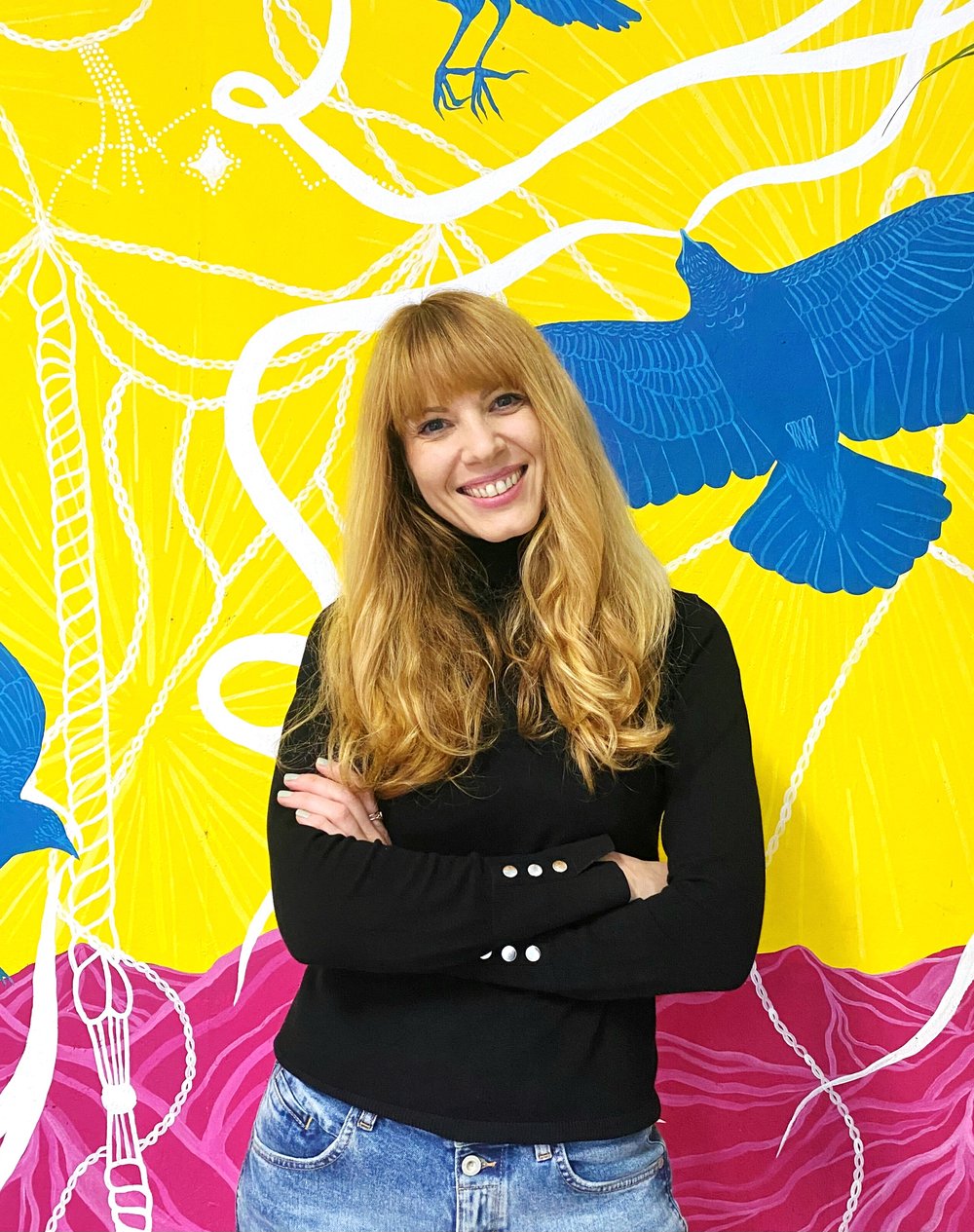
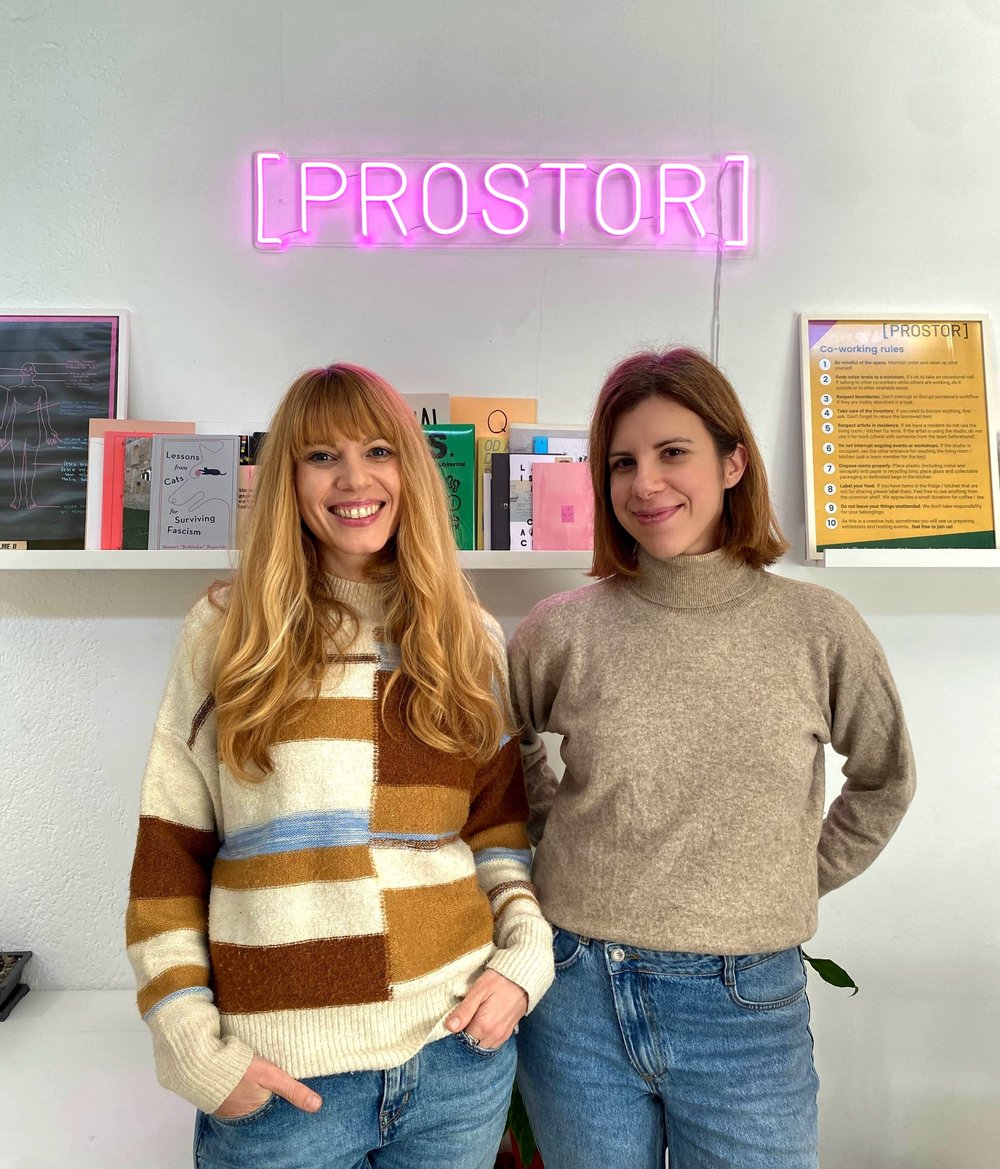
We continue with Culture Hub Croatia (CHC) / PROSTOR - a TEH member from Split, Croatia. The interview is with Marina Batinić, who is a co-founder responsible for the space's strategic development and international cooperation, and Jasmina Šarić, who is also a co-founder, responsible for the artistic direction and programmes.
Marina, could you briefly introduce Culture Hub Croatia / PROSTOR?
We are a very small centre here at Culture Hub Croatia / PROSTOR, and I always feel small when I come to Trans Europe Halles meetings (=annual TEH gatherings, each year at a different TEH member's site), because it feels like people from within TEH network usually operate in these giant buildings of 20,000 or 30,000 square meters.
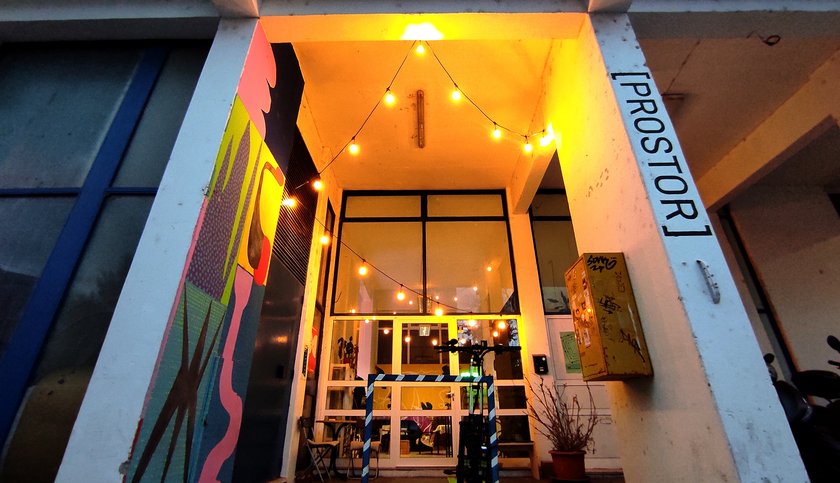
Despite being a small space, we are located in the largest modernist building in Split. It’s not far from the historical centre, which is a UNESCO World Heritage Site. Split is a very touristic city, but we are about a ten-minute walk away from the old town, in a more residential area. It’s quite nice because people actually live here, it’s not only Airbnb. There are some, of course, but it’s not as consumed by tourism as the city center.
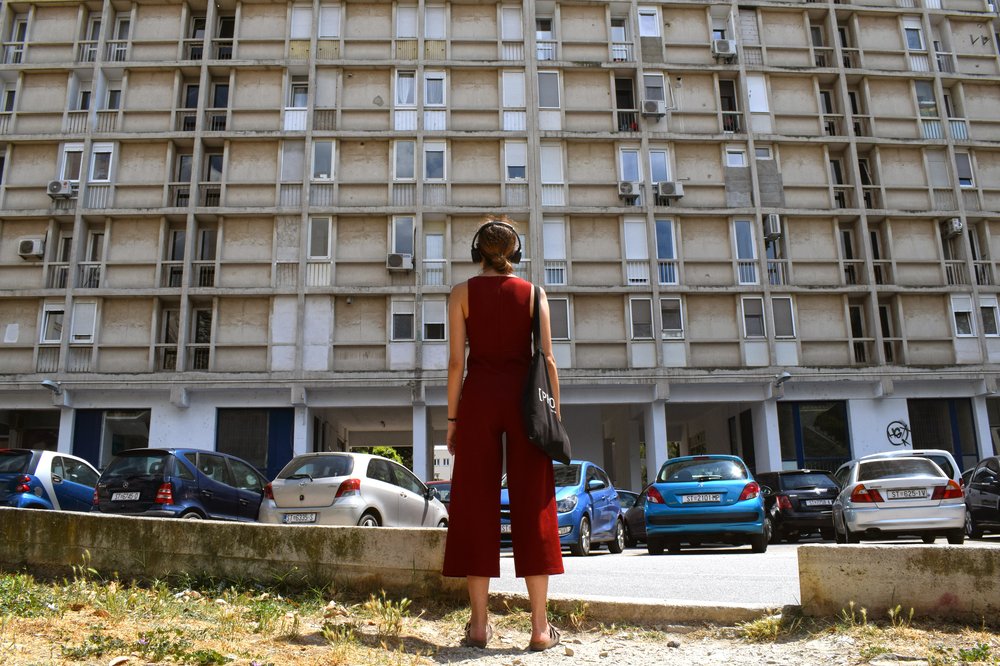
This building was constructed in the early 1970s, so it’s an important example of modernist heritage. As a physical space PROSTOR, we are on the ground floor of this huge building, but the whole space is privately owned. It’s not a city-owned space, so we as Culture Hub Croatia / PROSTOR pay rent just like any other organisation or business. The private owner makes no distinction made if you’re doing business, or any social or cultural work - as a tenant.
Culture Hub Croatia was founded a little less than 10 years ago - in January 2017, as a non-governmental organisation. At the time, there were just three of us: three motivated young women from Split - Marina, Jasmina and Kristina, who wanted to do something. We had all travelled extensively and lived abroad, and we wanted to bring some of that energy and creativity back to our city. We felt that many things were missing at the local level.
It was a very spontaneous coming together. We had no resources, no space. We essentially had nothing except ideas and motivation. We really did start from scratch!
From the very beginning, we knew it would be extremely difficult to secure a physical space. As a result, for several years - more than four, in fact - we worked without one. During that time, we focused heavily on partnerships and collaborations. This is also why networks such as Trans Europe Halles were important to us from the outset: they enabled us to see how other centres were operating, to visit arts, culture and creative hubs across Europe, and to learn from and be inspired by them.
We began running a wide range of experiments. We partnered with organisations not only in Split, but all across Croatia. We organised smaller-scale initiatives: workshops focused on cultural heritage, volunteering-based cultural heritage challenges, and collaborations with organisations facing specific issues in their communities and looking to address them in creative ways.
One of our biggest and most visible experiments was a project called Voids, which we launched in 2020. Because of seasonal tourism, Split has a very intense summer and then almost completely empty winters. We noticed that while cultural workers didn’t have spaces to work, many shops, souvenir stores, offices, and restaurants in the old town were closed during winter.
So, we saw lots of potential in that contradiction. We partnered with several businesses and temporarily opened those empty spaces during the winter months. We gave them to artists and local communities to work, experiment, and create. We used them for our own activities as well. In this way, we started experimenting with the idea of a decentralised cultural centre or creative hub: not in one single building, but through a network of small, temporary, distributed spaces across the city of Split.
It was really interesting. We repurposed souvenir shops, exchange offices, and other vacant spaces. The project became quite well known, and people started to understand what we as Culture Hub Croatia, as an NGO, were trying to do. More importantly, people started to engage. That’s how we built our community before we ever had a physical space.
For us, that work of cultivating a community before opening a space was crucial. It made everything functional from day one. So when we finally opened our current space called PROSTOR in July 2021, it already worked - because the community was already there.
At the same time, this work also had an activist dimension. It was a reaction to mass tourism in the city of Split, to the way the city was developing, and to the lack of space for local cultural production. We were responding to those issues while also experimenting with the concept of the creative hub we wanted to build.
We built our capacity mainly through European projects. We entered partnerships, applied for Erasmus+ and Creative Europe projects, and that really empowered us. At some point, we felt a strong need for a physical space: both to implement those activities and to have a deeper impact locally, instead of remaining a nomadic organisation.
There were no real opportunities on the city level, and there still aren’t. Waiting for a city-owned space with a beneficial rent just wasn’t realistic. So we decided to rent a private space and do our own thing, as long as we could survive. And here we are, approaching our 5th consecutive year in the space called PROSTOR.
In 2023, we joined Trans Europe Halles, so have been members for three years now.
You’ve described a very unique model: building the community first, then the space. Looking back over these years, how has the context changed?
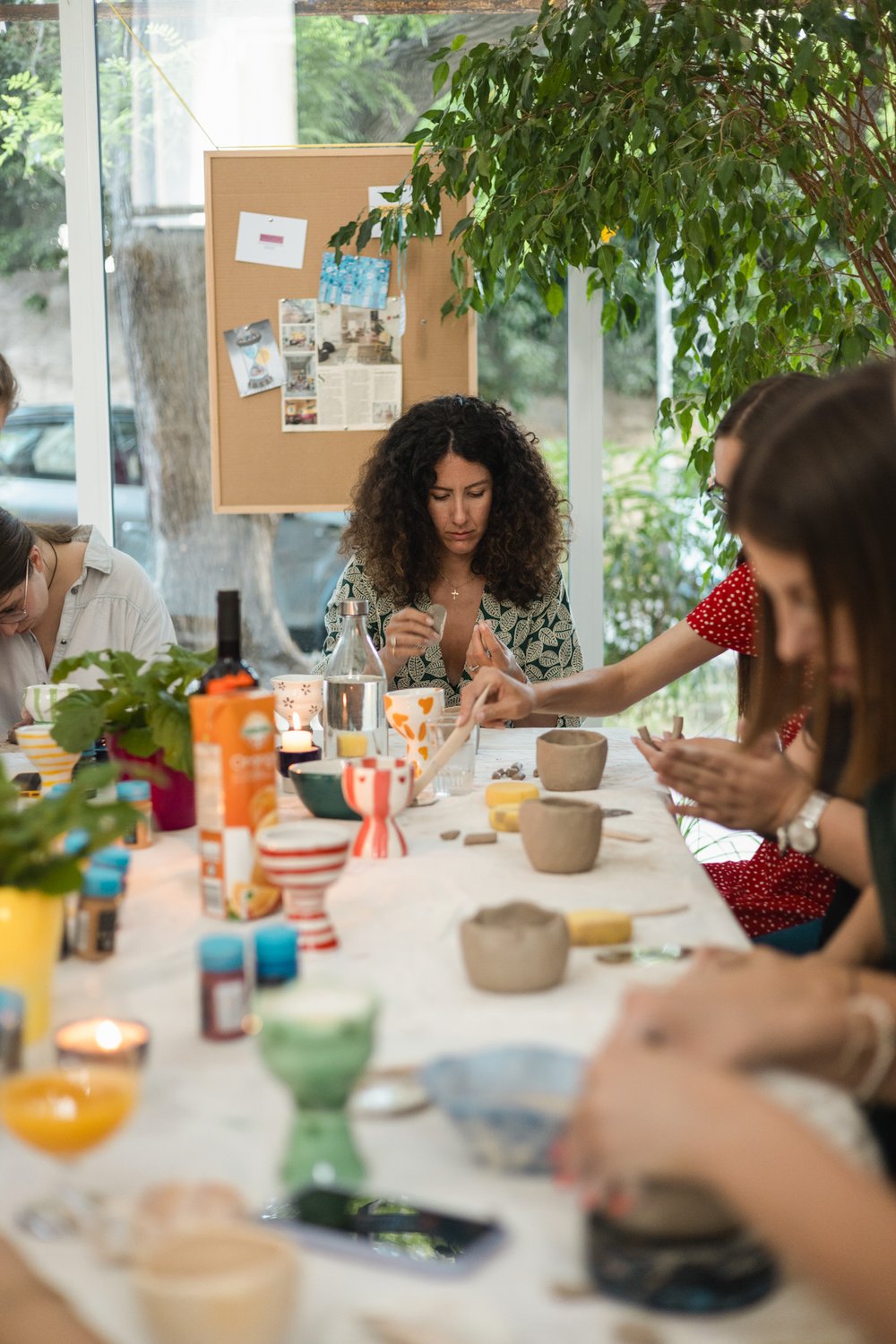
MAIN SPACE. From the very beginning, the local community of Split has been heavily involved in everything we do. When we started, we imagined PROSTOR as a place where everyone could participate with their ideas, but always as a form of exchange. And this really happens! We do invite people to come in as collaborators. Many people approach us with proposals for workshops or activities, and we develop them together. At first, we also rented out parts of our space for third-party workshops, but over time we realised it was difficult to communicate this clearly. For the local community, it was sometimes confusing what was part of our programme and what was not. We also saw that the demand for space in Split is extremely high.
SMALLER SPACE NEARBY. So in May 2024, we decided to take another risk and open a second, smaller space nearby, just five minutes from our main space. This space exists solely to provide affordable rentals for workshops and events. Split is a very challenging city when it comes to accessing space, and we clearly recognised this need. This smaller space allows people, for example women working with crafts, or those running creative workshops for children or adults, to develop their own activities without having to pay commercial rent. They rent the space by the hour at a very affordable rate, and over time it begins to feel like "their" space. It is a collaborative model in which everyone contributes to maintaining it.
ADOPT THE SPACE PROGRAMME. Another important programme is Adopt the Space. This also grew out of our early urban experiments. Once a year, we open a call and invite people to propose activities they would like to run in our space. We accept most proposals, as long as they align with our values, are participatory and free, and we distribute them throughout the year. In this way, the programme is co-created with the community, and people genuinely develop a sense of ownership.
What are the biggest challenges you’re facing now?
- Sustainability is the biggest one. Government support is becoming increasingly uncertain, locally, nationally and at the European level. Maintaining privately rented spaces is expensive, and relying on grants is becoming more risky. Within the Mediterranean Hub, one of the Trans Europe Halles geographical hubs, we discuss this a great deal. What are the alternative models that cultural centres can use to survive? If governments are shifting to the right and public funding for culture is shrinking, how do we move forward without compromising what we do?
- At the same time, what we have learned is that organisations and communities are not the same as buildings. Even if we lose a space, we do not disappear as a community. That resilience is crucial. Spaces matter, of course, but people matter more. This duality is something we live with every day.
"Even if we lose a space, we do not disappear as a community. That resilience is crucial. Spaces matter, of course, but people matter more"
Marina Batinić
How big is your team, and how do you work with volunteers or interns?
Our team, as our spaces, is quite small. We started as 3 co-founders, and in 2025 we reached our biggest team so far: 6 people - not counting collaborators, volunteers and interns. We regularly host interns through different programmes, including European ones, and that’s been incredibly helpful. We also have a group of volunteers who are constantly involved, helping during events and activities.
Why is working with the local youth important to PROSTOR?
Working with young people is very important for us as Culture Hub Croatia / PROSTOR. Split is a very touristic city, and if you have ambitions outside tourism, there are very few opportunities. Many young people leave, especially in culture and the arts. We understand that, because we were also abroad ourselves.
Through PROSTOR, we try to show young people that things are possible even with very limited means. That they can create projects, collaborate, and experiment, despite the challenges. This kind of inspiration is often missing in the formal education system.
We also work with many external collaborators: photographers, designers, technicians, often drawn from our own community. Over time, we have built a pool of people, professionals and those passiobate about what we do, so we can always reach out to. At the same time, we try to keep our doors open and work with new people, not only the "usual suspects" and discover new talents.
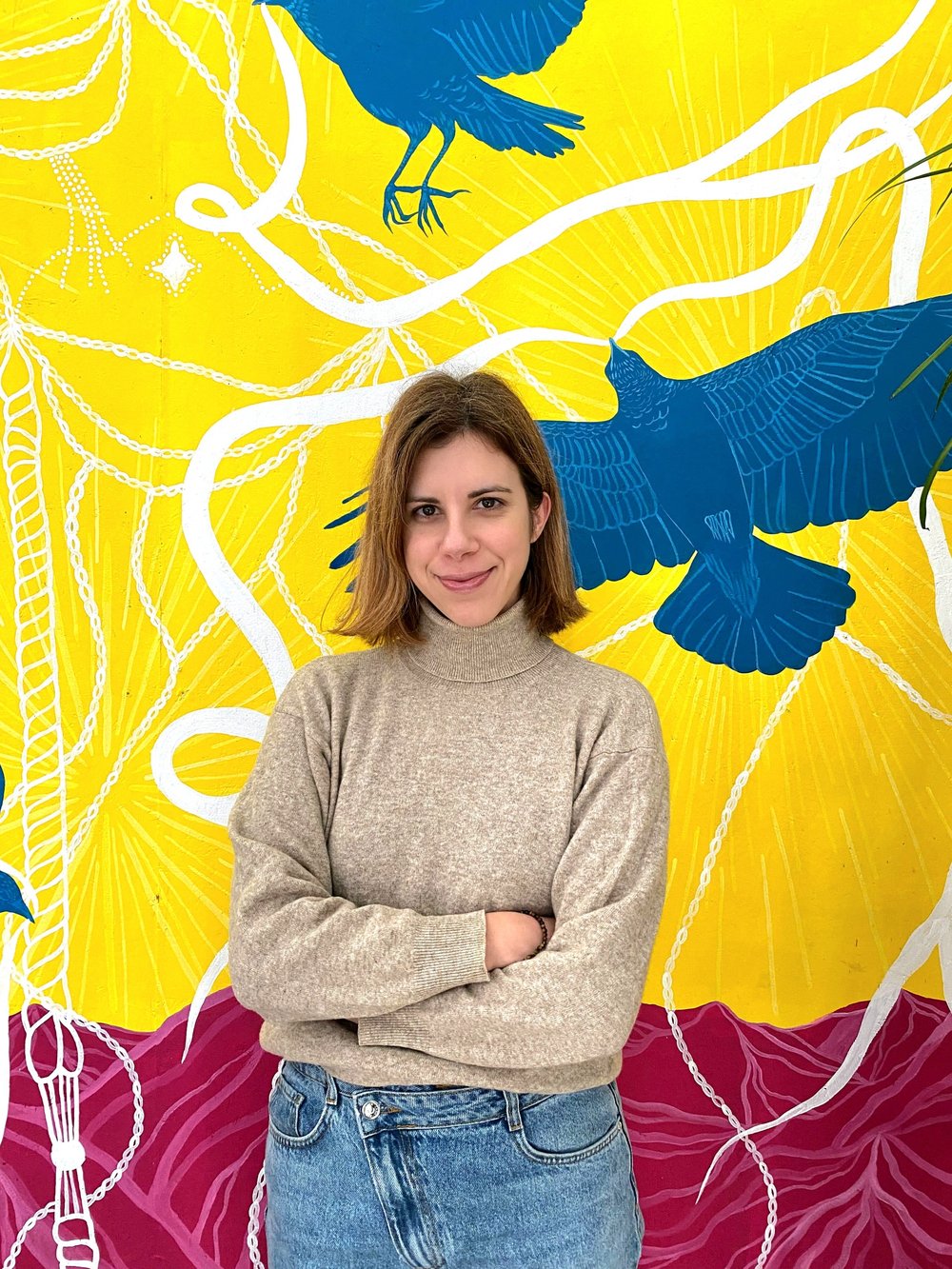
Jasmina, let's talk about programming: how do you choose your themes and priorities?
Since the opening of PROSTOR in 2021, we have been structuring our programming around specific themes each year, the themes we feel are particularly relevant at that moment. Sometimes these overlap with the European Commission priorities, such as environmental awareness, but we do not depend exclusively on that.
Our programme is supported by a mix of public funding, European projects and our own income. This gives us a degree of freedom and allows us to avoid a strictly top-down approach. Environmental awareness, for example, is always present, through educational programmes for children and young adults, exhibitions, residencies, and also in the way we work internally.
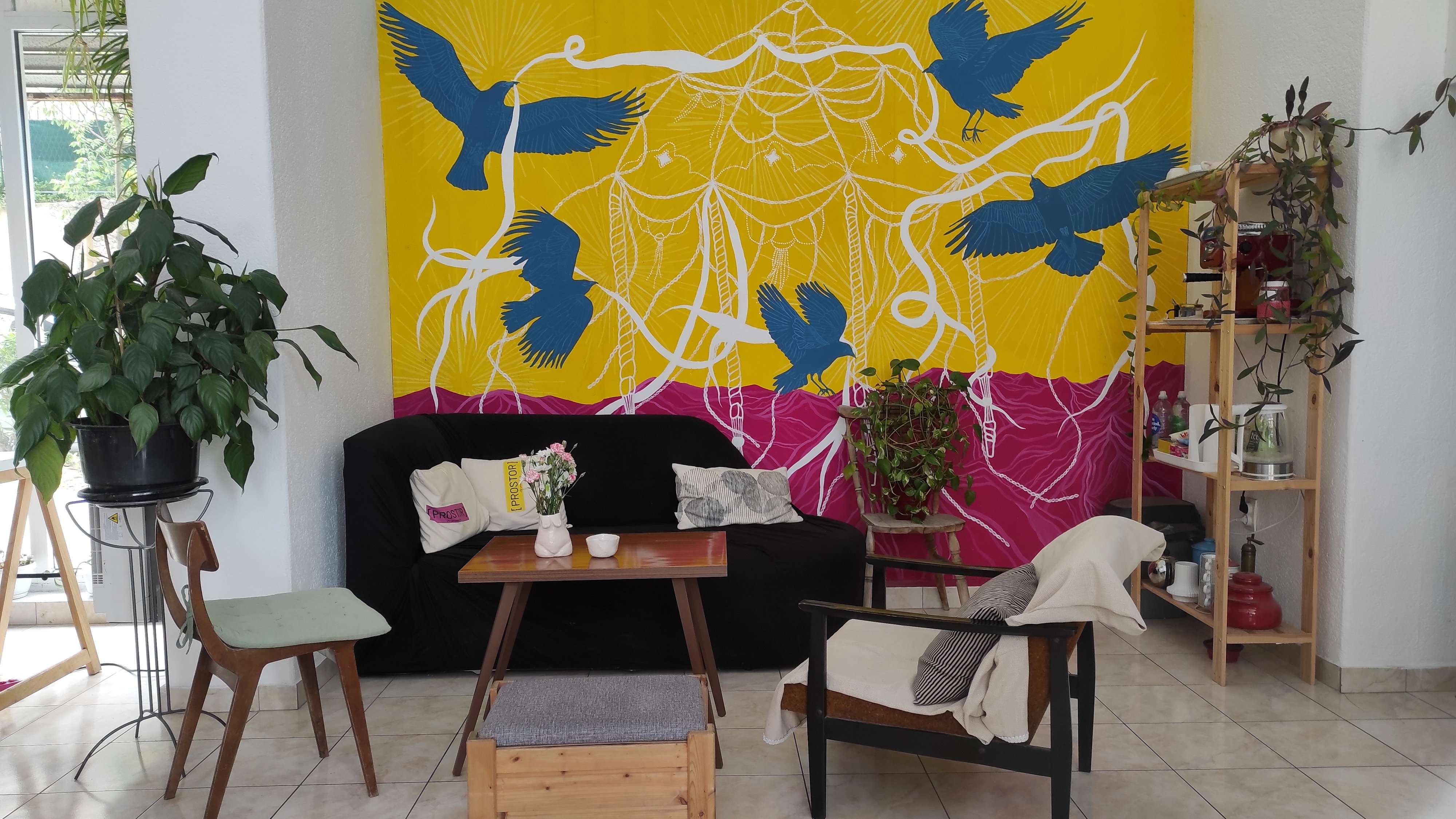
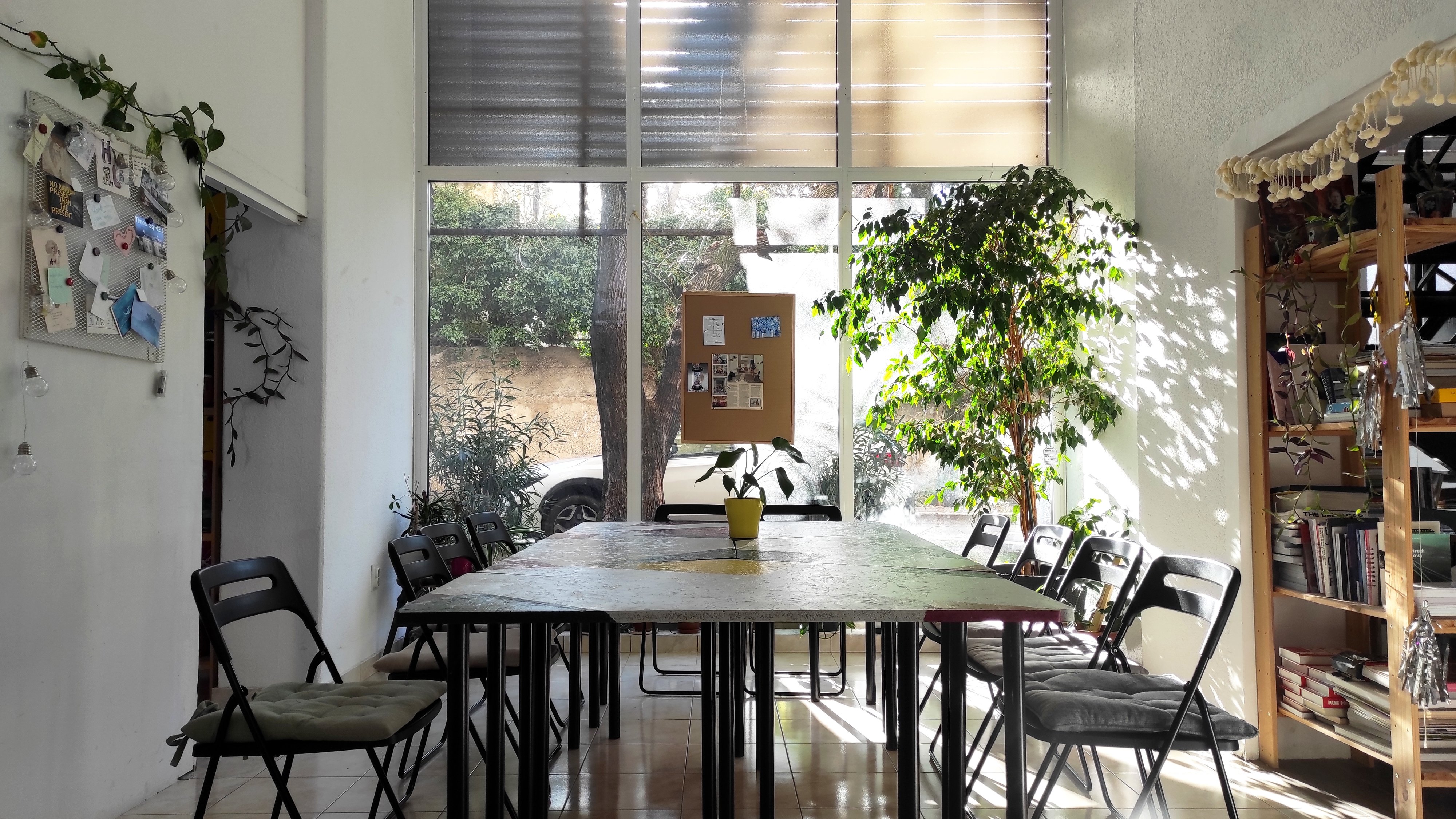
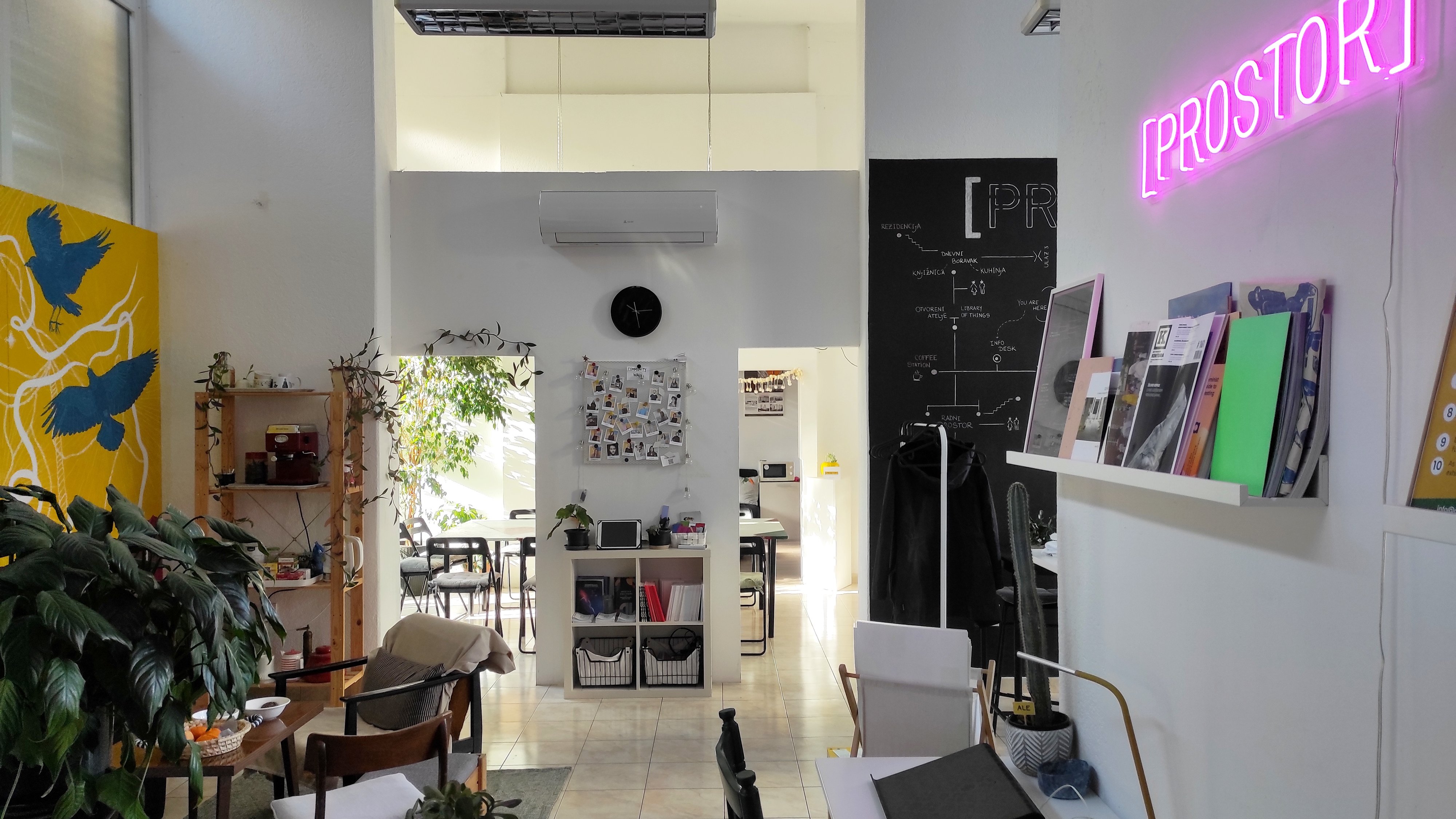
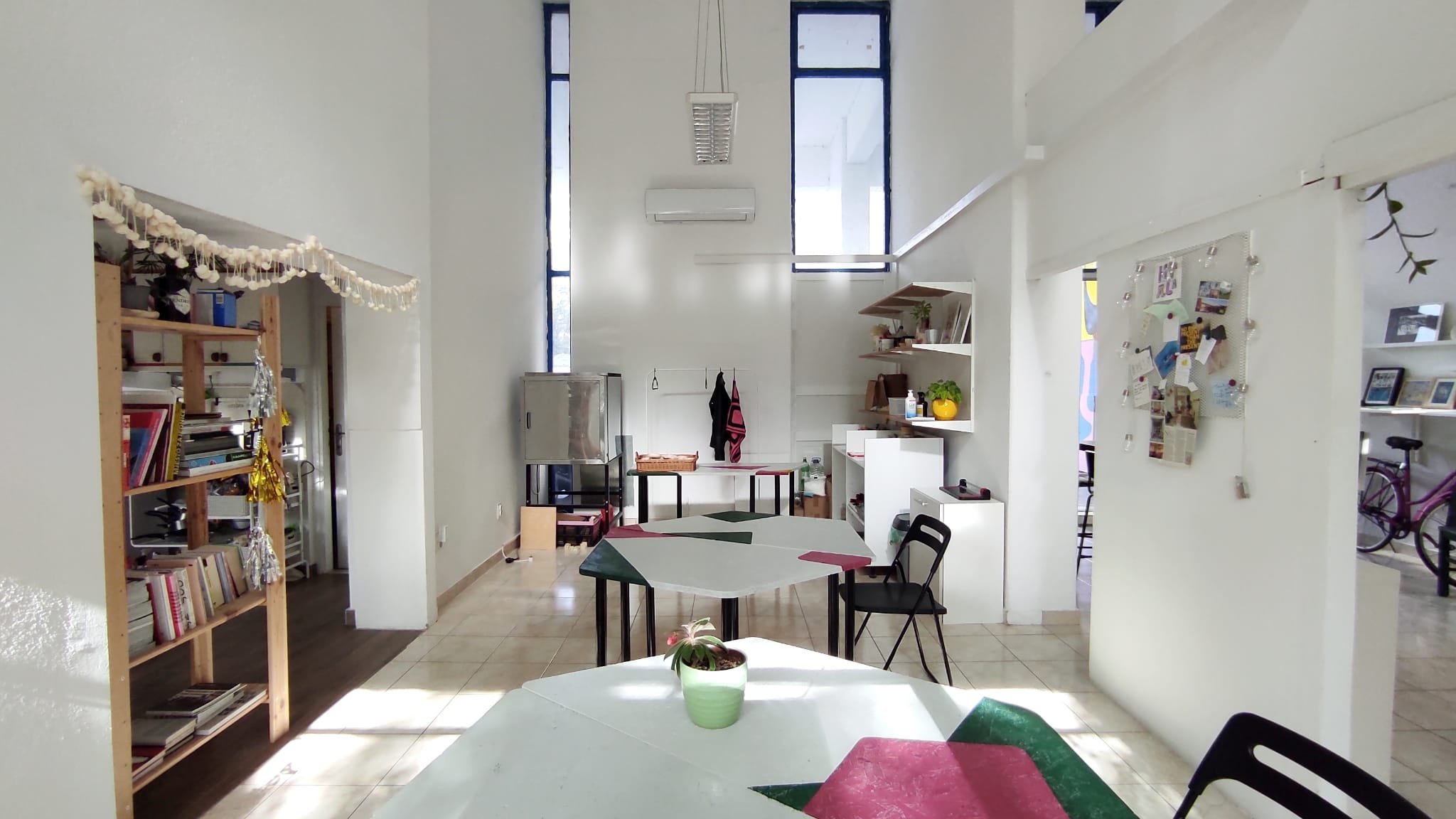
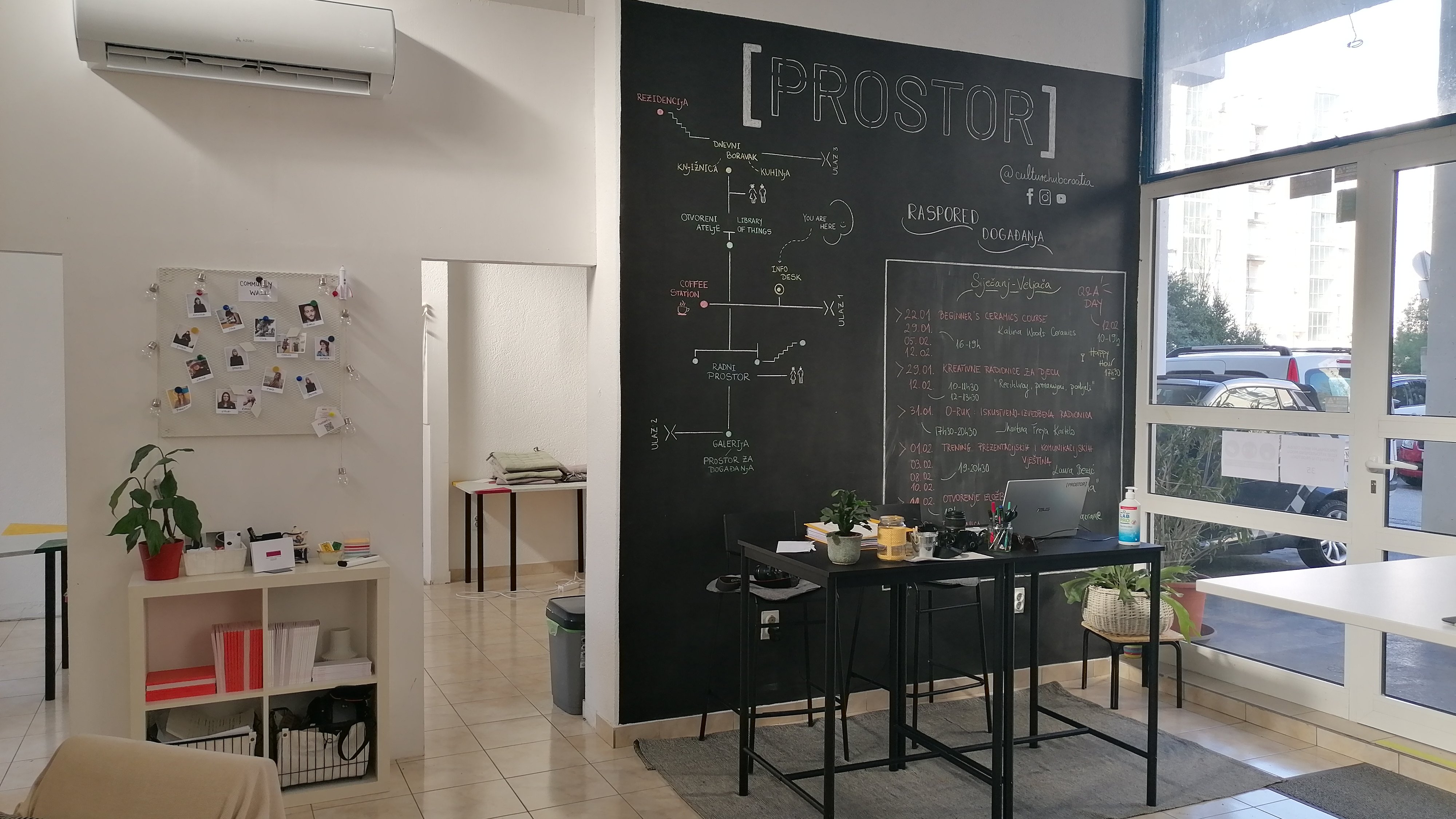
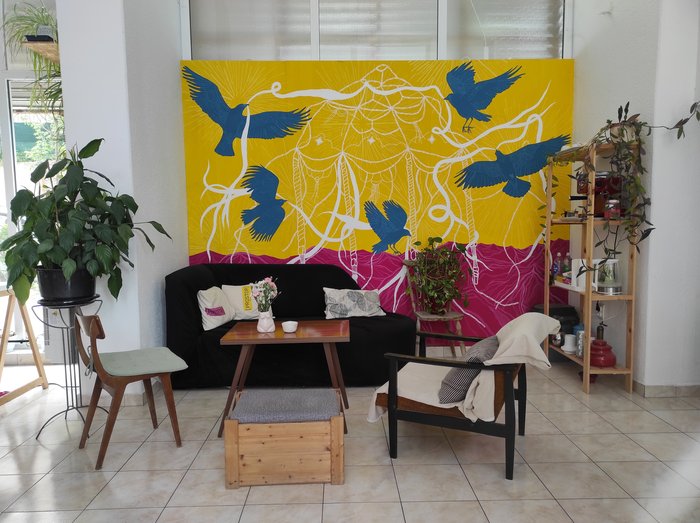
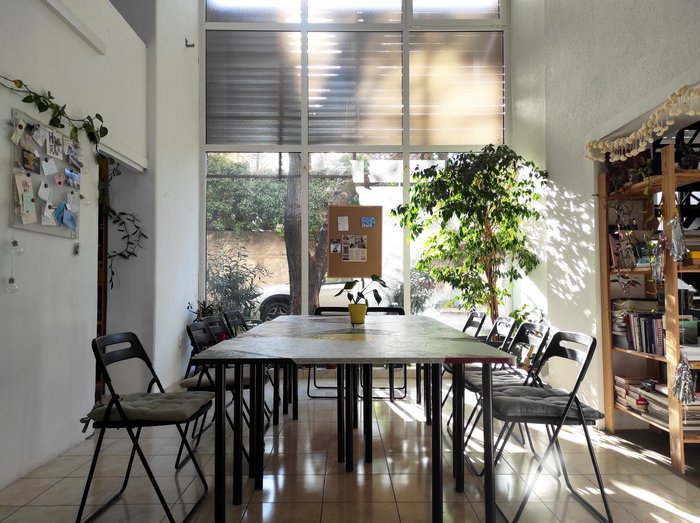
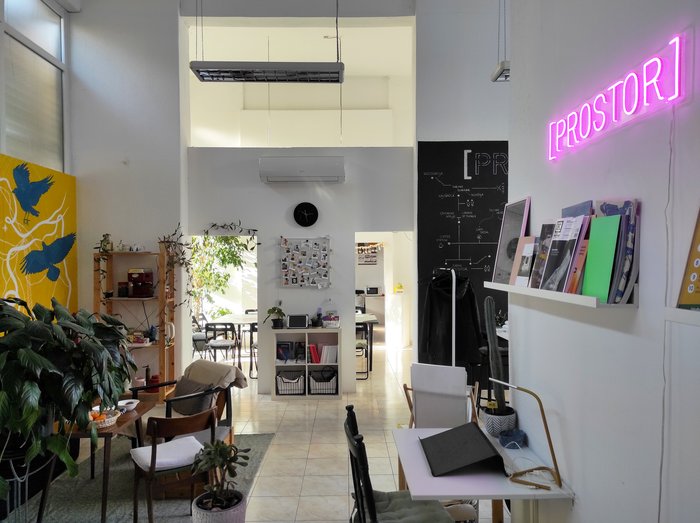
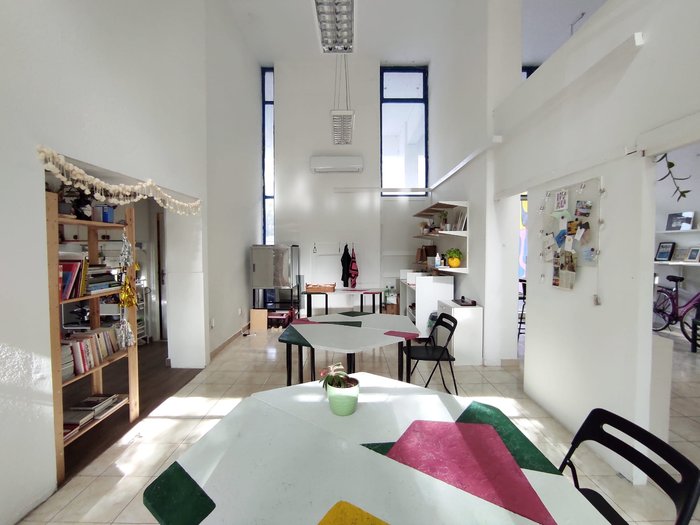
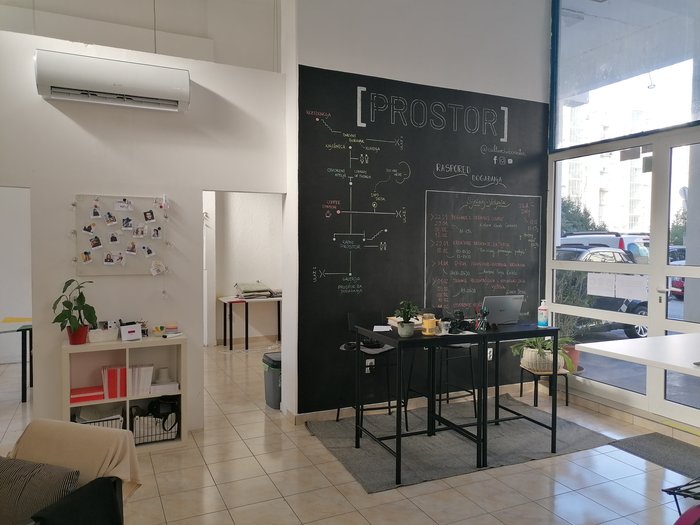
Our space includes a small gallery, a residency apartment where artists and cultural workers can stay, cook and live with us, as well as co-working and studio areas. Based on this structure, our programme includes exhibitions, residencies, open studios, workshops and discursive events.
We are particularly focused on research-based and process-oriented practices. Often, we invite artists to work without pressure to produce a finished outcome. In most cases, production still happens, but the process remains the priority. For example, we are currently hosting a resident artist from Slovakia who is working with food and sea-related research. She recently organised a workshop to gather feedback from participants, which will inform her ongoing work. In a few weeks, she will present her research through an open studio rather than a formal exhibition.
Our gallery is very small, only 25 sqm, so it is mainly suited to solo exhibitions or installations. For 2025, our annual theme was “Unknown: object, sites, time”. It was a broad framework responding to the insecurity of the world we live in, not knowing what tomorrow will bring and exploring ways of living with that uncertainty. Within this theme, we will host several exhibitions, residencies, workshops and discursive programmes throughout the year.
Yes, it is one of our key programme - our curatorial residency, which is the only one of its kind in Split, and possibly in Croatia. Each year, we invite a curator from Europe for a four-week research residency. In 2025, a curator from the UK researched traditional practices of working with herbs, collaborating with local and international artists through workshops, walks, talks and presentations.
International collaboration is integral to our work. We collaborate with artists and organisations from Montenegro, North Macedonia, Albania, Ukraine, Italy, Slovakia and beyond. For the third year in a row, we are hosting a finalist of the Young Visual Artist Award from North Macedonia.
We are shifting our focus away from purely presentation-driven work towards giving artists time, space and support to experiment, while inviting the public to be part of that process rather than passive viewers.
"We are shifting our focus away from purely presentation-driven work towards giving artists time, space and support to experiment, while inviting the public to be part of that process rather than passive viewers"
Jasmina Šarić
Marina, you mentioned that your local community is at the core of what you do. You’re organizing an event related to Palestine on 7-8 February 2026. Can you share the context and significance of this initiative?
In our space, we often feel the need to address global crises, but it’s not always easy to position ourselves. With the support for Palestine, this initiative came in a very organic way. A local community member with Palestinian heritage named Dina approached us here at PROSTOR about a year ago. She wanted to address the topic through art and asked for our support. That was important for us: doing this together with someone directly connected to the context, rather than speaking about people without them.
It is also connected to conversations we were having within the Mediterranean Hub of Trans Europe Halles, seeing other centers organise similar initiatives. Even small-scale solidarity actions matter: not only to raise funds, but to come together around issues that are globally urgent and locally present. That are important to the people who live nearby, inside our local communities.
The Palestinian context is very closely linked to what we’re witnessing here in Split, locally Split is the second-largest city in Croatia, but it’s also a very closed community. Hate speech and discrimination are increasingly visible here in Split, especially among young people. And that is a big problem.
Recently, a Serbian cultural association working with children was physically attacked, and many people publicly supported that attack. It was a very frightening moment. Far-right narratives are gaining space, and there’s a strong sense of "us versus them". In that context, solidarity with Palestine is not something distant. It’s directly connected to what’s happening here: to how people relate to difference, migration, and identity.
Even organising this event on 7-8 February 2026 brings fear: we have posters on our windows, and we sometimes ask ourselves if that makes us a target. It’s a terrible feeling, but it’s not a reason to stay silent. Through this event, we want to create a safe space: a space for empathy, awareness, and storytelling beyond mainstream media narratives.
How can people participate in "SPLIT FOR PALESTINE", especially those not based in Split?
Establish the contact with us here at PROSTOR - via our e-mail or social media, and we will guide you further on. But in general:
- If you are a writer or a poet, you can contribute to a poetry reading, either in person or online. There will be a poetry reading and open mic on Saturday, 7 February 8pm local time.
- If you are an artist, you can submit your digital works and be part of the exhibition, even if you can’t be physically present. There will be an arts&crafts market on Sunday, 8 February from 1pm on.
- If you are interested to join the discussions, feel free to do so. There will be multiple talks and discussions with open Q&A in English - also available online - on Sunday, 8 February.
- If you are locally, you can just join or become a volunteer, and you can support the event locally if you wish.
- Anyone can help by sharing the event link, donating to Aijal Foundation, or purchasing the Ajyal Foundation book “Love is Resistance” featuring Palestinian artists.
Find the full programme for 7-8 February 2026 "SPLIT FOR PALESTINE, creative solidarity action" and the donation link here: https://organise-to-support-children-in-gaza.raiselysite.com/culturehubcroatia.
The event will also include workshops and a rich programme. All proceeds will support the Ajyal Foundation and their work in Gaza. For us, it’s about creating connections, locally and across the Trans Europe Halles network, and showing that even small centres can create these spaces of solidarity.
Thank you, Marina and Jasmina!
Interviewed by Olga Zaporozhets, Trans Europe Halles Communications Officer.
Photos: portraits by Culture Hub Croatia.
Culture Hub Croatia's exterior and interior: by Darko Škrobonja and from https://www.chc-prostor.com/.