Pluto
Full Member / Spain
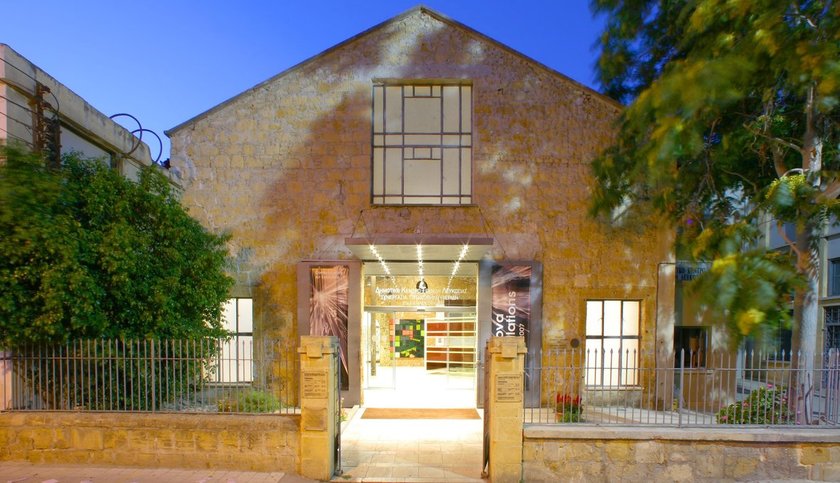
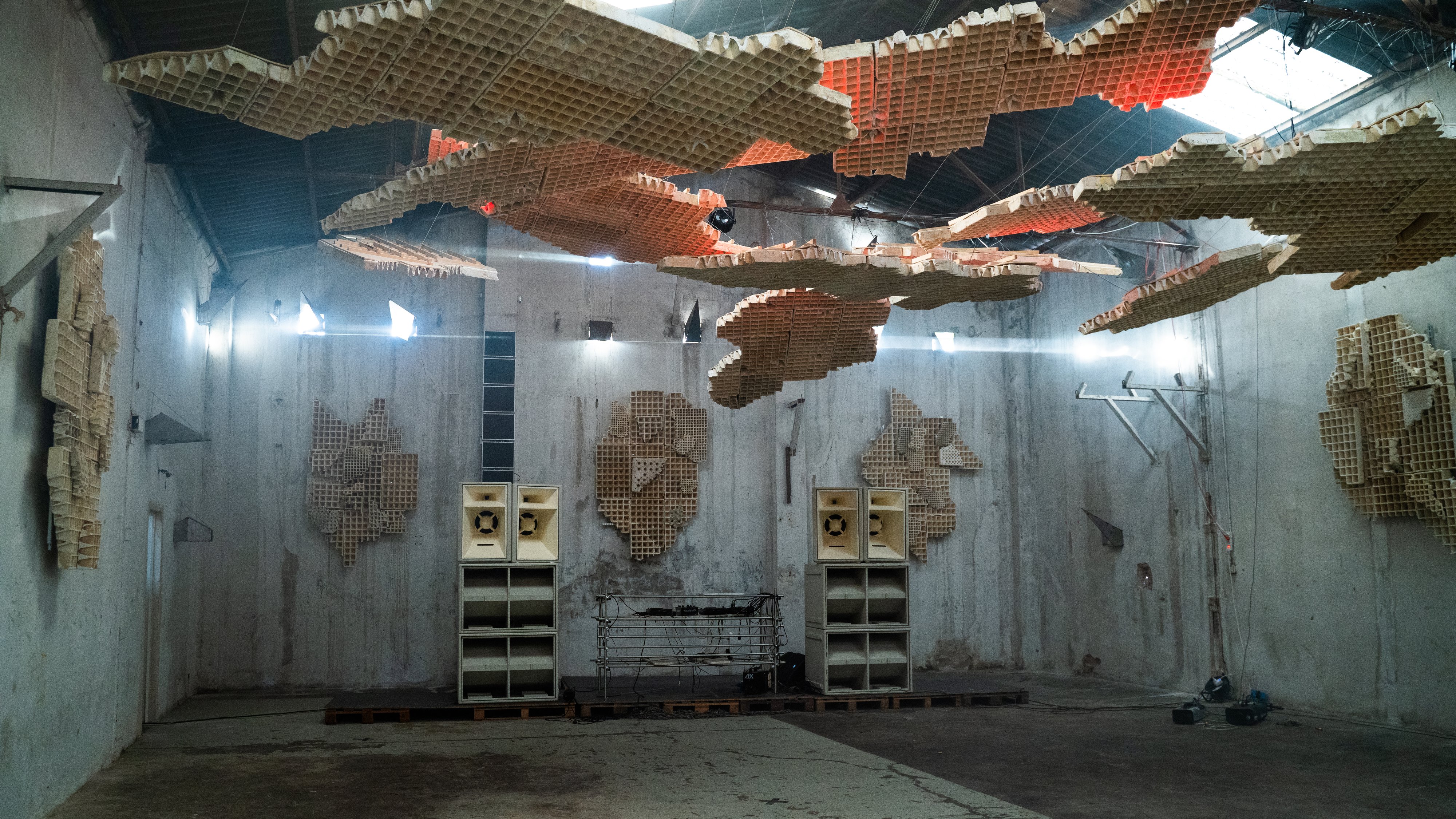
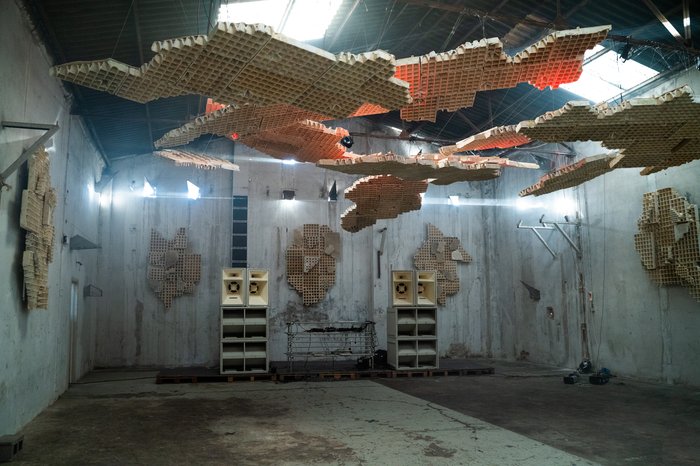
Pluto is an independent cultural centre founded in 2019 in l’Horta Sud, the peri-urban agricultural belt of Valencia. What began as a small self-organised initiative has grown organically into a 2,500 m² creative ecosystem, transforming three disused industrial warehouses and an abandoned field into a vibrant space for artistic production, experimentation and community life.
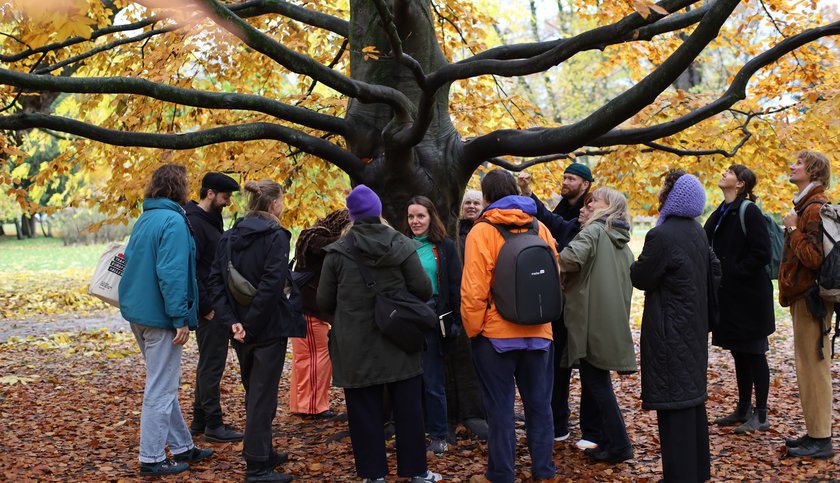
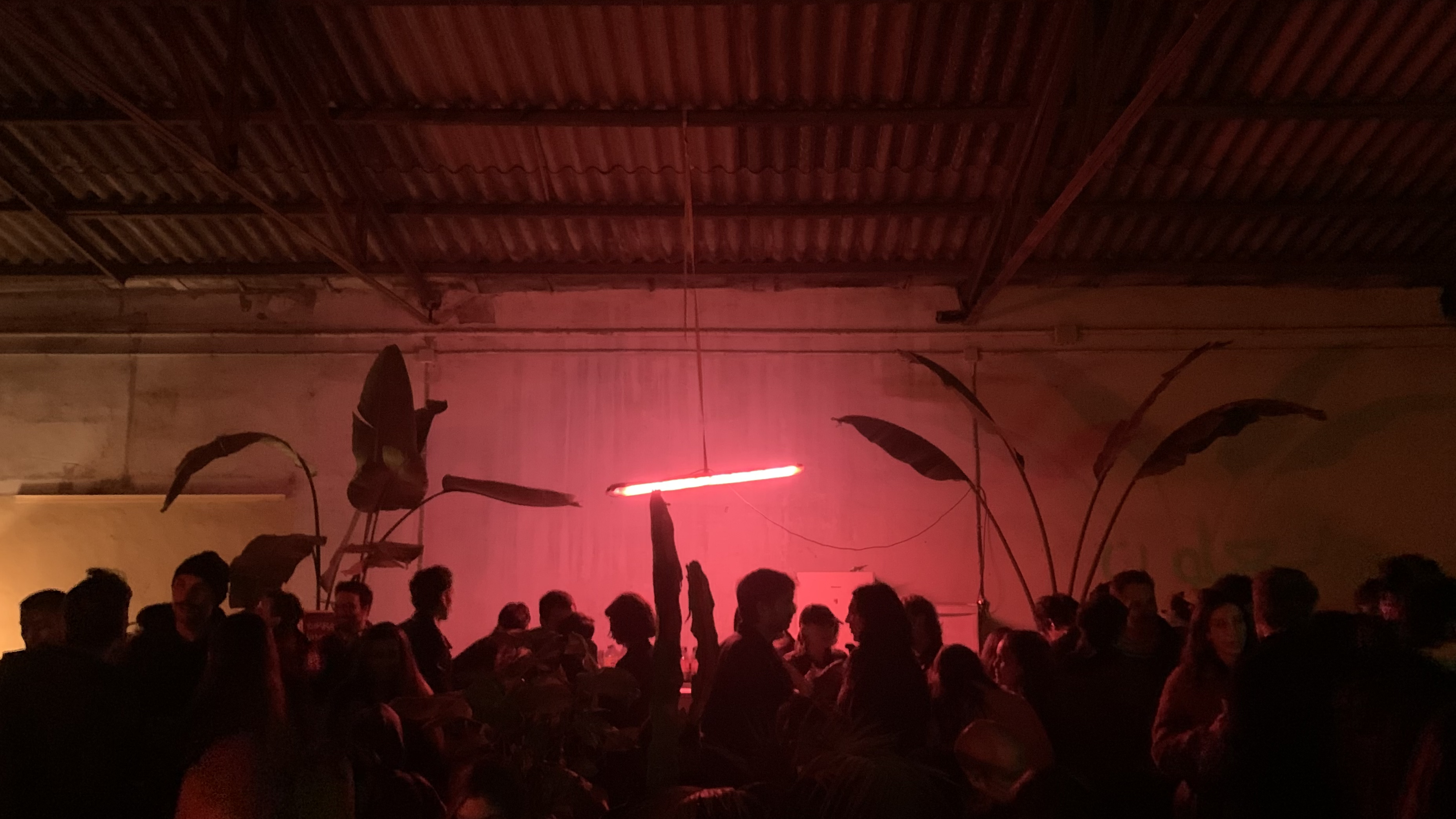
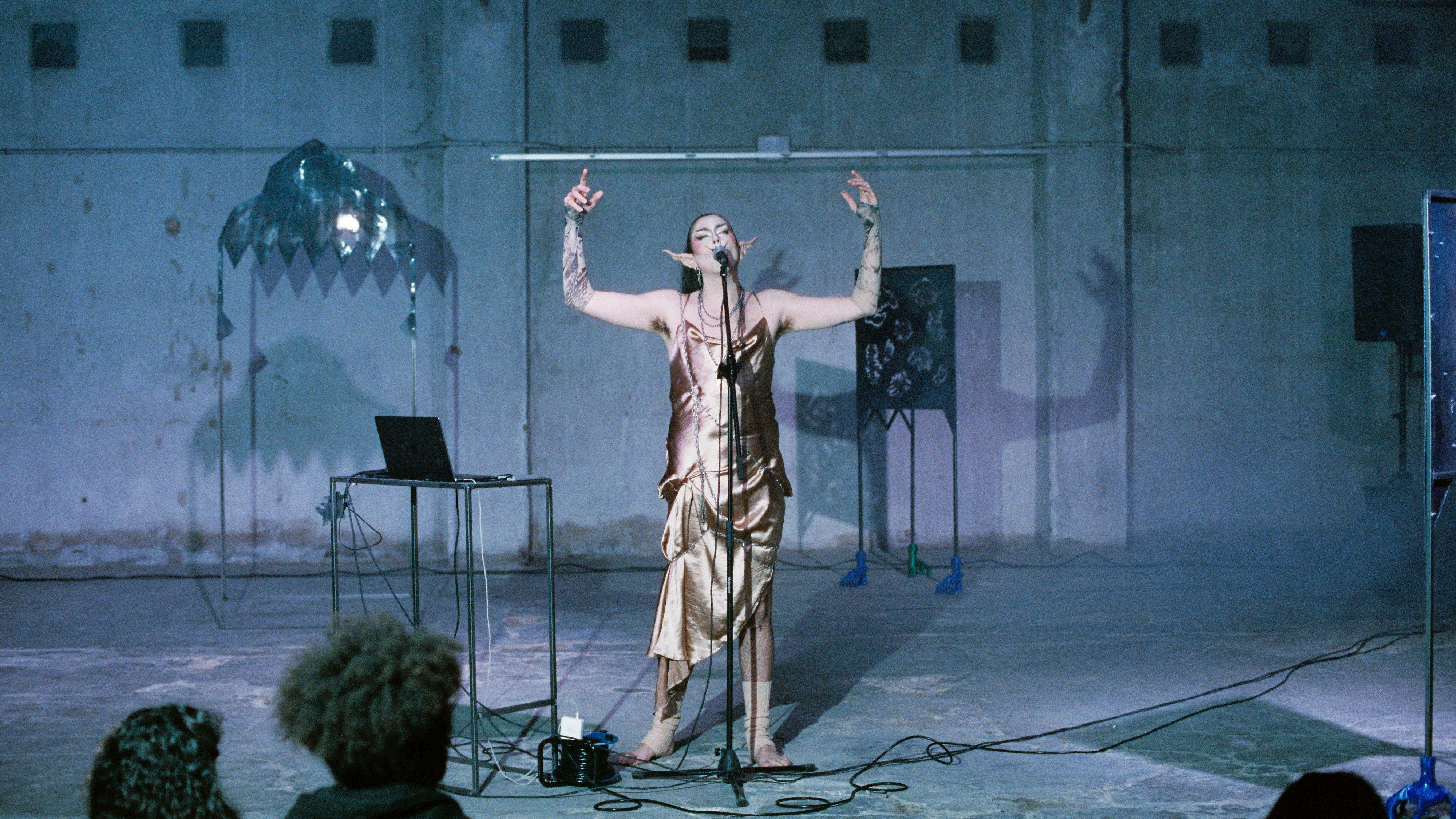
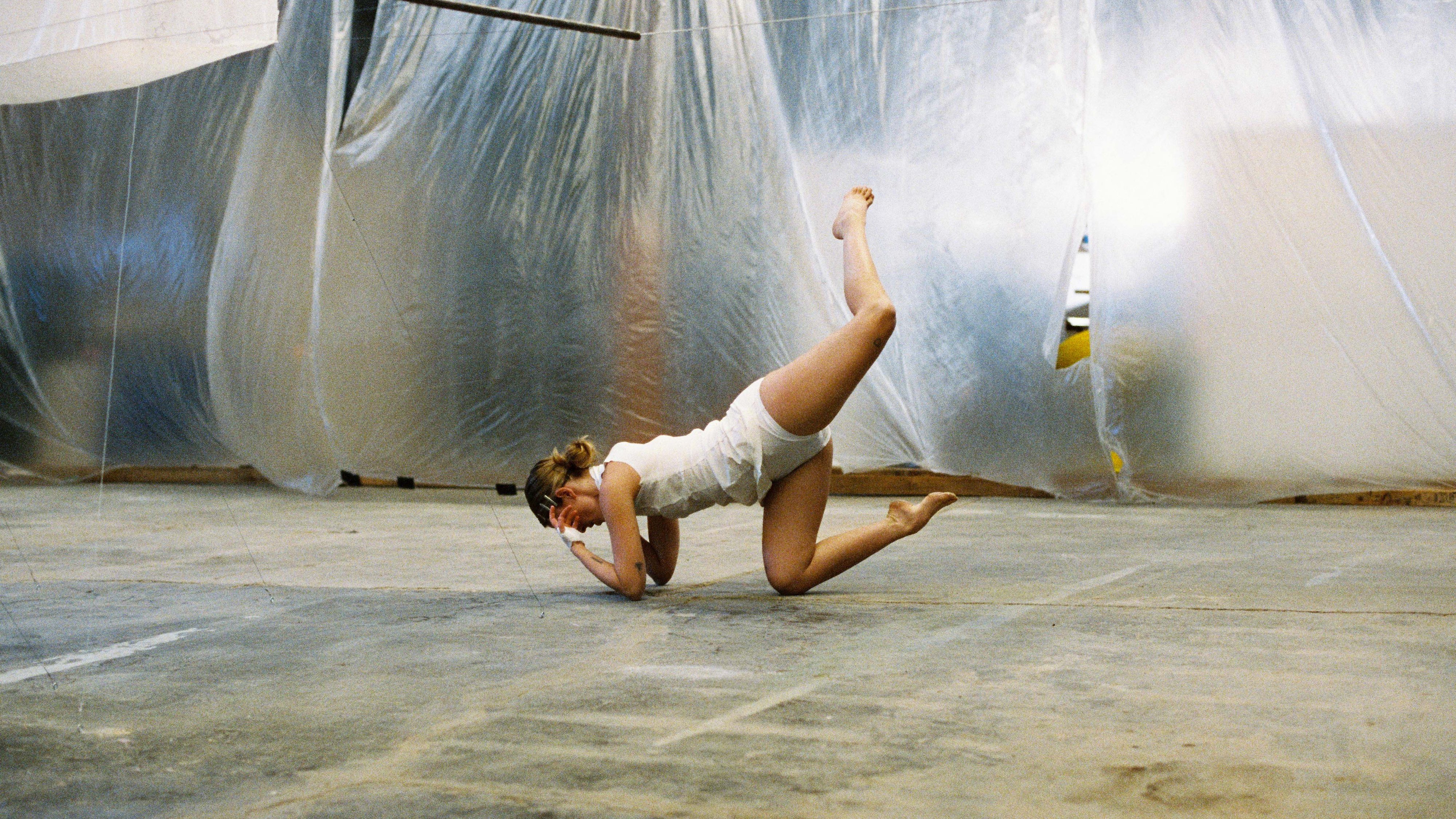
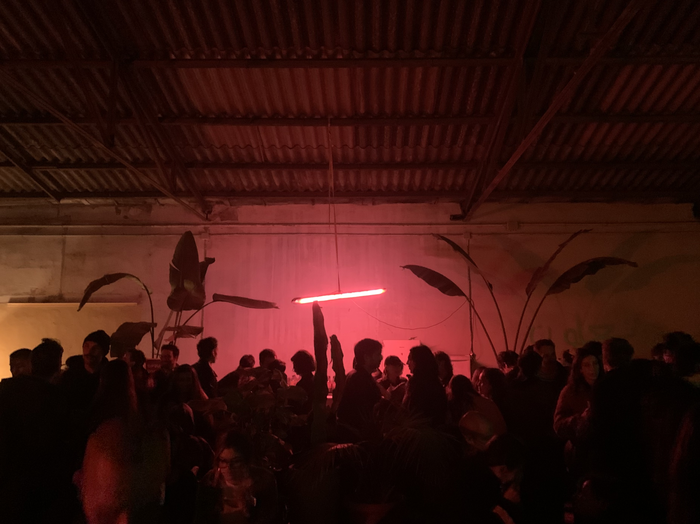
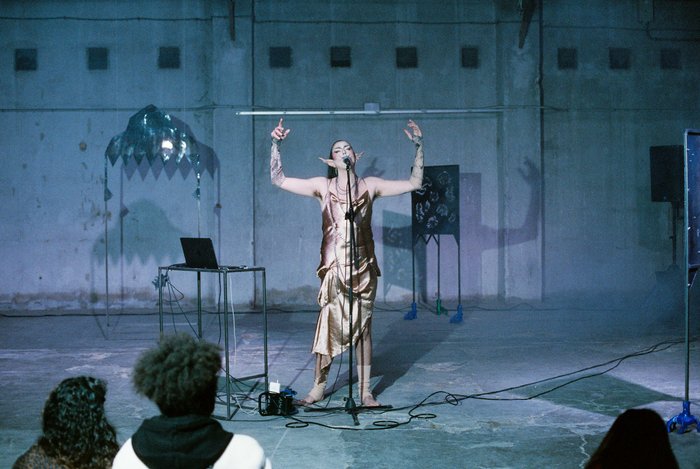
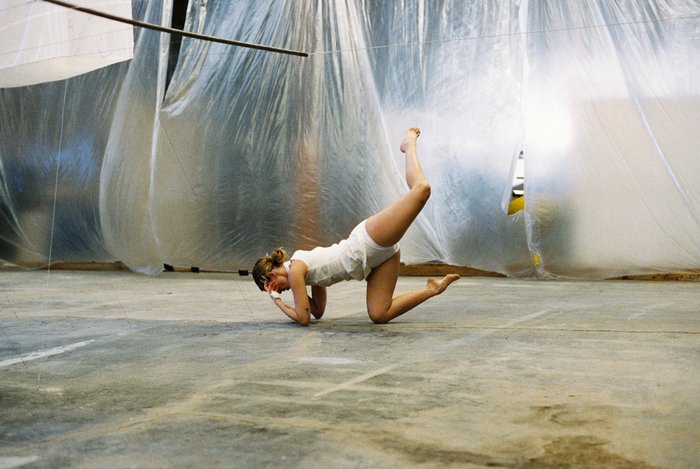
Pluto brings together studios, workshop areas, open-air creation spaces and a 3,500 m² community garden that anchors the project in its surrounding landscape. The centre hosts creative residencies, collective learning programmes, and a regular public programme that opens the space to the city. Throughout the year, the work developed at Pluto takes shape through exhibitions and open studios, as well as evenings of scenic arts, music and performance. These encounters often unfold around shared meals and moments of gathering, and extend into the garden, where we meet to exchange agricultural knowledge and celebrate the changes in the land.
Pluto currently offers three scholarship programmes (Espacial, Portal and DANA), forming a constellation of support for emerging and established artists at local, national and international level.
Pluto functions as an interdisciplinary, intergenerational meeting ground where artists, neighbours, researchers and collectives collaborate across art, ecology, performance, music and design — cultivating a living ecosystem where creative practice, social imagination and environmental awareness grow side by side.Pluto has developed as an organism rather than a fixed model, evolving through the people who inhabit it and through the landscape that holds it. Working in the peri-urban farmland means being in constant dialogue with a living environment — its seasons, its changes, its memories and the communities who have cared for it long before we arrived. This relationship with the land informs not only our artistic programmes but also the way we host, gather and imagine collective life.
- Facilities
- Art Gallery
- Meeting Room
- Workshop room
- Co-working Space
- Multi-purpose Space
- Research
- Exhibition and Programming
- Education and Training
- Multimedia and interactive Arts
- Crafts
- Design
- Education
- Community and Relational Arts
- Democratic and civil society development
- Gastronomy
- Entrepreneurship
-
 Visual Arts
- Outdoor stage
- Artists Studio
- Rehearsal or Practice Room
-
 Small Concert hall (audience capacity: less than 300)
-
 Multifunction Hall
- Artistic Residency Accommodation
- Community Areas
- Courtyard
- Garden
- Production
- Mediation
-
 Café / Bar
- Theatre / Performance
- Dance
- Media (Radio & TV)
- Architecture and Urbanism
-
Music
- Large Theatre (audience capacity: more than 200)
- Conference Room
-
 Art residencies
-
 Ecology and Sustainability
-
 Repair Shop
-
Industrial Building
- Work areas
- Multimedia and interactive Arts
- Crafts
- Design
- Education
- Community and Relational Arts
- Democratic and civil society development
- Entrepreneurship
-
Music
-
Visual Arts
- Dance
- Media (Radio & TV)
- Architecture and Urbanism
-
Art residencies
-
Ecology and Sustainability
- Activities
- Research
- Exhibition and Programming
- Education and Training
- Production
- Mediation
- TEH Membership
What makes the organisation unique?
What makes Pluto unique is the way creation and agriculture coexist at the centre of the project. Being located in l’Horta Sud is not a backdrop but an active part of how we work: the land sets the rhythm, shapes our methods and teaches us to move with a kind of porous listening that has become essential to our practice. The project grew out of a desire to offer a home for artists and makers who wanted to stay in Valencia, but once we arrived, the surrounding fields transformed the initiative into something larger and more grounded.
Pluto has developed as an organism rather than a fixed model, evolving through the people who inhabit it and through the landscape that holds it. Working in the peri-urban farmland means being in constant dialogue with a living environment — its seasons, its changes, its memories and the communities who have cared for it long before we arrived. This relationship with the land informs not only our artistic programmes but also the way we host, gather and imagine collective life.